Navigating Heightened Inflation Risks In The Current Economic Climate
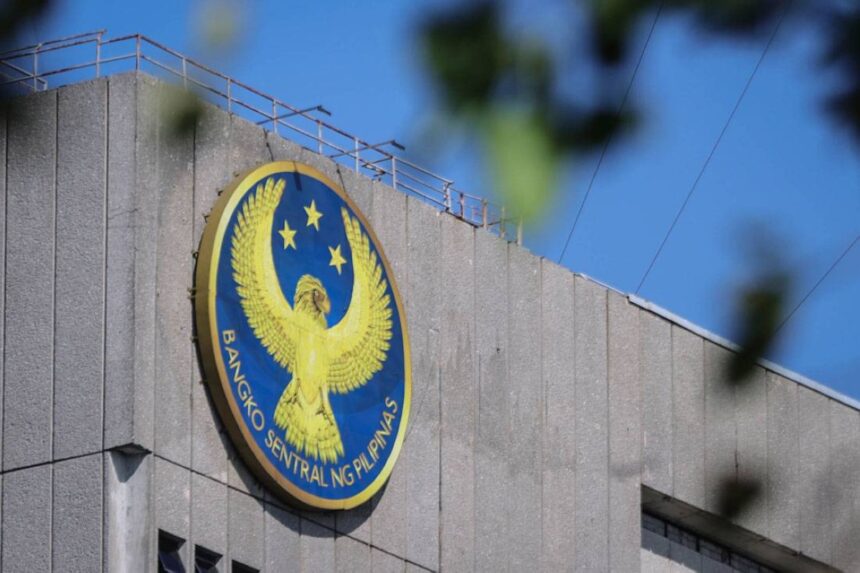
The recent surge in global energy prices suggests that headline inflation could have hit a three-year high this April as fuel and electricity costs climbed significantly. According to the latest estimates from the Bangko Sentral ng Pilipinas, consumer price growth likely accelerated into a range between 5.6% and 6.4%, marking a sharp departure from the 4.1% recorded in the previous month. This projected spike places the cost of living well above the central bank’s established target of 2.0% to 4.0%, highlighting the severe impact of the ongoing conflict in the Middle East on domestic price stability.
If the top end of this forecast is realized, it would represent the most aggressive price increase since April 2023, creating a challenging environment for both consumers and policymakers. The intensification of these risks is primarily driven by significantly higher domestic petroleum prices and the rising costs of essential food items such as rice, fish, and meat. Furthermore, increased electricity charges and the depreciation of the peso have added layers of complexity to the national fiscal outlook.
While some relief is anticipated through a seasonal decline in vegetable and fruit prices, the broader sources of upside pressure continue to warrant extremely close monitoring by financial authorities. The upcoming data release on May 5 will be a critical indicator for the market, providing the definitive statistics needed to assess the full extent of the current inflationary wave and its implications for the broader economy throughout the remainder of the year.
Proactive Monetary Responses To Deteriorating Price Outlooks
The deterioration of the inflation outlook has prompted a swift and decisive response from the policymaking Monetary Board to curb further price escalations. With the conflict in the Middle East serving as a primary catalyst for supply-side shocks, Governor Eli Remolona Jr. has emphasized that the central bank is being proactive in its approach to maintain economic order. Following the surge in March, the board implemented a 25 basis point hike in key interest rates, signaling a shift toward a more restrictive monetary policy to combat persistent price growth.
Revised forecasts now suggest that annual price averages could reach 6.3% this year and 4.3% the next, moving up from previous projections as the global landscape becomes increasingly volatile. Although central banks typically look through temporary fluctuations in oil prices, the current situation has become large enough to justify a much stronger policy response to prevent secondary effects from taking root. The governor has stated that the institution will stay vigilant and is prepared to perform as many hikes as necessary to anchor expectations and protect the purchasing power of the citizenry.
This vigilance is crucial because supply-side pressures are no longer viewed as isolated incidents but rather as systemic challenges that could keep the rate above 5.0% for an extended period. By raising borrowing costs, the board aims to dampen excessive demand and stabilize the currency, which has been under pressure from the shifting international capital flows. The systematic monitoring of incoming data remains the cornerstone of this strategy, ensuring that every policy adjustment is evidence-based and aligned with the long-term growth prospects of the nation.
Monitoring Global Geopolitical Developments And Domestic Stability
The interplay between international geopolitical tensions and domestic economic activity remains a central focus for analysts assessing the future path of inflation in the region. As the war in the Middle East continues to impact global supply chains, the resulting volatility in petroleum markets creates a direct inflationary link to the local transport and production sectors. The central bank has reaffirmed its commitment to remaining guided by incoming data, specifically focusing on how these external developments translate into local price adjustments and overall growth prospects.
Beyond just the cost of fuel, the ripple effects are felt in the agricultural sector, where production and logistics costs for key food items are heavily dependent on energy inputs. This environment requires a delicate balance between controlling price increases and ensuring that economic activity is not overly stifled by aggressive monetary tightening. Analysts are particularly concerned with how prolonged price pressures might affect consumer sentiment and discretionary spending, which are vital components of national GDP.
The commitment to staying vigilant means that the authorities are ready to pivot their strategies as the situation in the Middle East evolves, recognizing that the implications for the national economy are both deep and potentially prolonged. By maintaining a transparent communication strategy regarding inflation and its underlying drivers, the central bank helps businesses and households make more informed financial decisions during this period of uncertainty. Ultimately, the goal is to navigate these supply-side disruptions while fostering a resilient economic framework that can withstand the pressures of a fragmenting global trade landscape.
Market Impact Analysis Of Geopolitical Friction On Regional Assets
From a financial analyst’s perspective, the current inflationary trajectory in the Philippines serves as a precursor to broader regional asset repricing across the ASEAN bloc. The anticipated breach of the 6.0% threshold signifies more than a local supply shock; it represents a fundamental shift in the risk premium associated with Philippine equities and sovereign debt. As inflation expectations become unanchored from the central bank’s target range, we anticipate a widening of credit default swap spreads and a potential cooling of foreign direct investment as institutional investors seek more stable real returns in less energy-sensitive markets.
The persistent depreciation of the peso further complicates this regional dynamic, as it creates a vicious cycle of imported inflation that necessitates higher terminal interest rates than previously modeled for 2026. This monetary tightening cycle is likely to strain corporate balance sheets, particularly in the manufacturing and retail sectors where thin margins are already being eroded by escalating input costs. The divergence between Philippine monetary policy and the easing cycles of Western economies could create significant carry trade opportunities, though these are balanced by the heightened volatility stemming from the Middle East conflict.
Furthermore, the structural dependence on imported fuel and key food commodities exposes a critical vulnerability in the domestic supply chain that could lead to long-term economic scarring. If energy costs remain elevated, we expect to see a significant reallocation of capital toward renewable energy infrastructure as a strategic necessity rather than a purely environmental goal. The upcoming months will be a definitive test of the central bank’s institutional credibility, as it attempts to manage the delicate transition from fighting immediate price surges to ensuring the structural integrity of the national growth model amidst a fragmented global order.