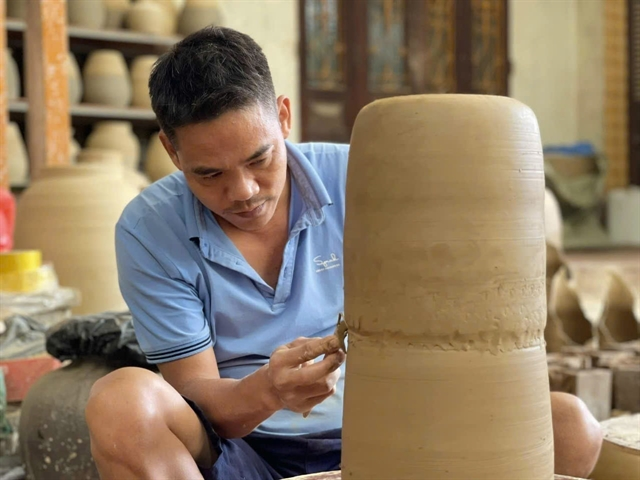
Global Success Story in Vietnamese Handicrafts
Việt Nam’s handicraft industry has solidified its position as a remarkable success story, now ranking among the country’s top ten high-value export products. This impressive achievement is underscored by its expansive global reach, with goods now being exported to a network of 163 countries and territories worldwide. The industry’s ability to penetrate and thrive in some of the world’s most demanding consumer markets, including the EU, the US, Japan, and South Korea, is a powerful testament to its growing adaptability and resilience. This was highlighted at a recent trade forum by Lê Hoàng Tài, the Deputy Director of the Việt Nam Trade Promotion Agency. He noted that the industry’s success demonstrates its significant capacity for integration into the global market, showcasing its ability to produce high-quality, desirable goods that can compete on the world stage. This not only contributes significantly to the national economy but also enhances the country’s reputation as a producer of sophisticated and culturally rich products.
Navigating the Complexities of International Trade
Despite its notable success and expanding global footprint, Việt Nam’s handicraft industry faces a series of significant and evolving challenges. According to Deputy Director Tài, these challenges include increasingly stringent global requirements concerning a range of critical issues such as product quality, traceability, labor standards, and environmental responsibility. Adhering to these strict international standards requires constant innovation and a dedicated effort to meet global expectations. Furthermore, the industry is confronted with fierce competition from regional rivals with long-established and mature handicraft ecosystems, particularly countries like Thailand, India, and Indonesia. The battle for market share is intensified by rising non-tariff barriers, which add to the complexities of international trade. To maintain its competitiveness and growth trajectory, the industry must continuously find ways to overcome these hurdles and adapt its strategies to the dynamic and demanding international marketplace.
Charting a Path for Sustainable Growth
In response to these challenges, both the government and the industry are proactively charting a course for sustainable growth and long-term development. As part of enhanced trade promotion efforts, producers are set to receive assistance to participate in major global trade shows like Ambiente in Germany and Maison & Objet in France, which will provide invaluable exposure to international buyers. Additionally, digital tools and platforms will be leveraged to help businesses expand their online presence and reach new customers globally, transcending traditional market barriers. A key part of this strategy also involves a concerted effort to integrate Vietnamese cultural and traditional values with modern global standards to create products that are both authentic and universally appealing. Furthermore, the Việt Nam Association of Craft Villages is implementing solutions such as planning dedicated raw material areas and establishing origin certification. The association’s president, Trịnh Quốc Đạt, has also called for greater access to finance and preferential credit for producers, underscoring the need for a comprehensive support system to ensure the industry’s long-term vitality.