Indonesia’s Downstream Sector Becomes a Magnet for Investment
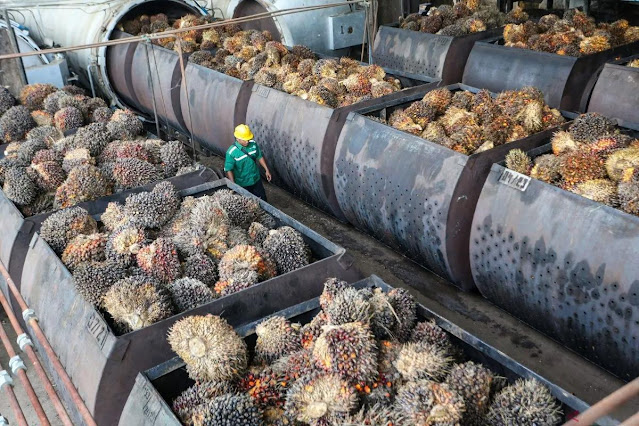
Downstream industries in Indonesia are now attracting a significant share of the country’s total investment, accounting for roughly 30% of all foreign and domestic capital. According to Minister of Investment and Downstreaming Rosan Perkasa Roeslani, this positive trend is a major focus for the government’s economic strategy. While the mineral sector, particularly nickel, is the dominant driver of this growth, the ministry is also actively promoting downstream development in other key areas, including plantations and marine resources such as seaweed. This highlights a strategic and diversified approach to economic growth, moving the nation beyond simply exporting raw materials. The government recognizes the immense potential of its natural resources, and by encouraging local processing and manufacturing, it aims to create a more resilient and value-added economy that can better withstand fluctuations in global commodity prices and generate higher returns from its exports.
A Strategic Approach to Economic Development
The government sees the downstreaming of commodities as a critical strategy to create added value and generate a greater number of higher-quality employment opportunities for its citizens. For instance, as the world’s second-largest producer of seaweed, Indonesia considers the development of this sector to be both valuable and impactful, as it directly supports a large number of coastal farmers.5 This focus on local processing not only improves economic returns but also empowers local communities. Financial data from the Investment Coordinating Board (BKPM) confirms this trend, with downstream investment in the second quarter of 2025 reaching Rp144.5 trillion, or US$8.86 billion. This figure represents 30.2% of the national total investment of Rp477.7 trillion for the quarter, demonstrating a clear and measurable success of the government’s policy. The top sectors contributing to this investment were minerals, followed by plantations and forestry, oil and gas, and fisheries, indicating a broad-based and multi-sectoral approach to industrial development.
Widespread Growth and Regional Economic Equity
The investment flowing into downstream industries is not concentrated in one or two major economic hubs but is instead geographically widespread, highlighting the government’s efforts to promote economic development across various regions. This is a crucial element of the national strategy, as it ensures that the benefits of industrialization and added-value production are shared more widely across the archipelago. The top five provinces receiving the most downstream investment were Central Sulawesi, West Java, North Maluku, West Nusa Tenggara, and East Java. This distribution is a clear indicator that the government’s policy is having a tangible impact on the ground, creating new economic opportunities and fostering a more balanced and inclusive national economy. By decentralizing this investment, the government aims to reduce regional disparities and build a more resilient economic foundation for the entire country.