Strategic Collaboration Between Tourism Malaysia And Green Empire Holding
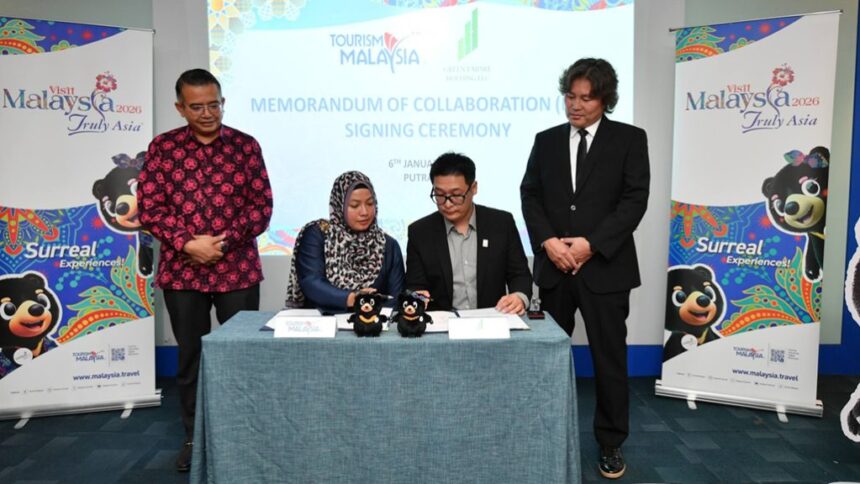
The international marketing agency Tourism Malaysia has officially entered a high-value partnership with the Mongolia-based Green Empire Holding LLC to promote the nation as a premier travel destination. This strategic alliance, established just as the global travel sector enters the 2026 fiscal year, focuses on capturing the burgeoning Mongolian market to support the ambitious goals of the Visit Malaysia 2026 campaign.
By signing a formal Memorandum of Collaboration, both organizations have committed to a series of targeted marketing initiatives designed to bridge the geographic gap between the two nations through innovative digital storytelling and data-driven outreach. The primary objective is to showcase the diverse attractions available in the archipelago, ranging from bustling urban centers to serene ecotourism sites and rich cultural heritage landmarks.
This move is viewed by industry experts as a proactive step to diversify the international visitor portfolio, ensuring that the country remains a top-of-mind choice for travelers looking for luxury and authenticity. The director-general of the agency has emphasized that this collaboration is a vital component of the broader effort to elevate the global brand presence of the nation.
The focus on the Mongolian market represents a shift toward emerging economies with rising middle-class populations. As these demographics seek novel experiences beyond their borders, the tropical allure of the peninsula offers a stark and attractive contrast to the landlocked geography of Central Asia. This partnership is designed to tap into that specific wanderlust through customized travel packages.
Leveraging Digital Marketing To Achieve Visit Malaysia 2026 Targets
Through the Welcome Malaysia initiative, the partnership will leverage digital platforms to highlight the unique selling points that appeal specifically to the Mongolian demographic, such as family-oriented luxury travel and sustainable nature experiences. As the 2026 tourism push gains momentum, the integration of public and private sector strengths is expected to create a more resilient tourism ecosystem.
This synergy is not merely about increasing headcounts but about building a sustainable flow of high-spending visitors who appreciate the depth of the local culture. By focusing on high-potential segments in Central and East Asia, the ministry is effectively hedging against market volatility in traditional western markets. This forward-thinking strategy ensures that the hospitality sector remains robust.
The partnership with Green Empire Holding allows for a more nuanced approach to international promotion, utilizing local expertise in Mongolia to tailor messages that resonate with the aspirations of their travelers. The 2025 performance, which saw over thirty-eight million arrivals in the first eleven months, has provided a strong foundation for this growth, yet reaching the final goal requires tapping into previously underrepresented regions.
Digital outreach will focus on high-engagement social media content and influencer collaborations that bring the sights and sounds of the nation directly to the screens of potential visitors. By utilizing localized content creators, the campaign can bridge linguistic and cultural barriers, presenting the destination as both accessible and exotic. This method is expected to significantly reduce the customer acquisition cost for new market segments.
Economic Impact And Long Term Vision For The Hospitality Sector
The strategic alignment between these two entities signifies a deeper commitment to fostering meaningful cultural ties that transcend simple business transactions. According to the CEO of Green Empire Holding, the ultimate goal is to build lasting bridges that connect the people of both nations through shared travel experiences and mutual appreciation of heritage.
This vision aligns perfectly with the national agenda to position the country as a global hub for moderate and luxury tourism. As the hospitality and transport sectors prepare for the influx of millions of visitors, significant investments are being made in infrastructure and service quality to meet international standards. The 2026 campaign is not just a marketing event but a catalyst for national development.
From a macroeconomic perspective, the success of these international partnerships is crucial for maintaining the country’s competitive edge in the Southeast Asian region. The generated revenue from the 2026 tourism push will provide the necessary capital for further diversification of the economy, reducing the reliance on traditional exports.
The spillover effects will likely benefit small and medium enterprises within the craft and culinary sectors. As tourists seek authentic cultural experiences, local artisans and traditional food vendors will find new opportunities for growth. This grassroots economic stimulation is vital for ensuring that the benefits of the national tourism strategy are felt by a broad spectrum of the population, beyond major hotel chains.
Professional Analyst Report On Regional Tourism Competition And Market Diversification
From a professional financial and analytical perspective, the recent memorandum between the state tourism body and the Mongolian investment group represents a sophisticated diversification play within the ASEAN leisure corridor. We observe that the 2026 target of forty-three million arrivals is an aggressive benchmark that necessitates a shift away from over-reliance on traditional regional markets.
By targeting the Mongolian demographic, the authorities are effectively identifying a niche but growing middle class with high disposable income and a penchant for long-haul tropical destinations. This move is mathematically sound as the per-capita spending of travelers from Central Asian markets tends to exceed that of short-haul regional visitors, thereby maximizing the yield per arrival rather than just the volume of visitors.
The success of the Welcome Malaysia digital campaign will be a critical leading indicator for the overall health of the Visit Malaysia 2026 initiative. Analysts should monitor the quarterly arrival data from non-traditional markets closely, as a positive trend here would suggest that the nation is successfully evolving its global brand into a more diverse and resilient international travel hub.
This structural evolution in the tourism strategy reflects a broader trend of market insulation against global geopolitical shifts. By securing secondary and tertiary market streams through institutional partnerships, the hospitality sector reduces its vulnerability to economic downturns in primary source countries. The long-term impact on the national trade balance will likely be positive as tourism service exports become more dominant.
As the industry prepares for this influx, the focus must remain on maintaining service quality and infrastructure integrity. The success of the 2026 campaign will ultimately be judged by the return visitor rate and the long-term sustainability of the newly established market routes. This analytical view suggests that the current partnership is merely the first step in a much larger regional economic integration strategy.