Prioritizing Tourism Safety For Visit Malaysia 2026 Success
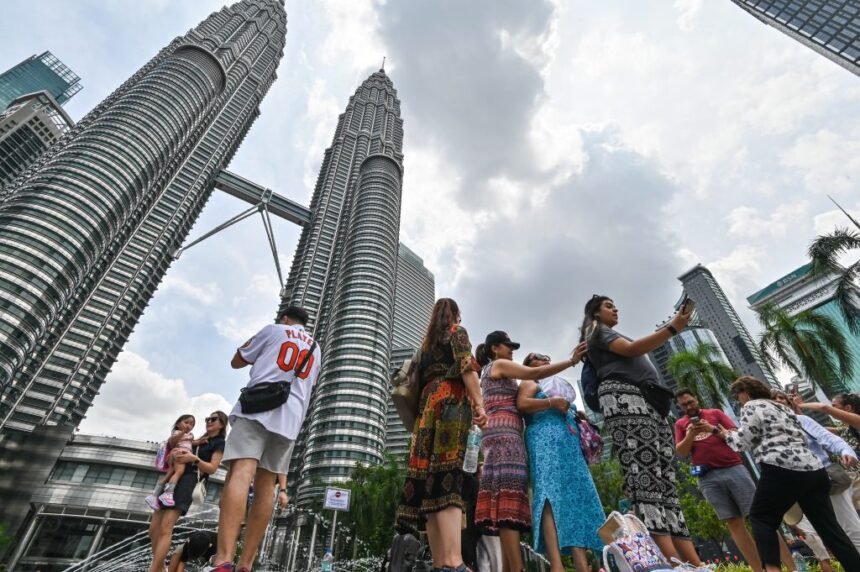
As the nation gears up for the monumental Visit Malaysia 2026 campaign, the government must elevate tourism safety as a paramount national priority. This initiative is vital because a seamless and trustworthy travel experience remains the essential cornerstone for strengthening the country’s global reputation.
While the nation boasts pristine beaches and vibrant cultural sites, no amount of natural beauty can ever compensate for a reality where travelers feel at risk. Alliance for a Safe Community chairman Tan Sri Lee Lam Thye has emphasized that the tourism sector is a fundamental pillar of the national economy.
However, news of tragedies spreads rapidly in the digital age, and any incident involving fatal road crashes could significantly undermine the goals of the campaign. Therefore, authorities are urged to treat safety not just as a side component of infrastructure, but as the bedrock upon which the industry is built.
By focusing on a safe environment today, Malaysia can protect its future economic aspirations and ensure that millions of international arrivals leave with positive memories. This requires a unified effort from every stakeholder in the travel and hospitality chain to maintain a gold standard of protection across all states.
Cultivating A Nationwide Culture Of Vigilance And Infrastructure Security
Achieving a high level of tourism safety requires more than just marketing brilliance; it demands a shift toward cultivating a robust safety culture across the population. This cultural transformation must be supported by the stringent enforcement of traffic laws and maritime regulations to prevent tragedies before they occur.
Sustained public education and awareness campaigns are necessary to ingrain these values into the daily lives of those working within the travel sector. Furthermore, the government must commit to robust infrastructure investments, particularly in high-risk zones that are frequently visited by foreign tourists.
Improvements such as accelerated upgrades to road sections, enhanced lighting, and better pedestrian facilities will play a critical role in reducing preventable accidents. In the maritime sector, focusing on navigation aids and high safety equipment standards for tour boats is equally important to protect those exploring coastal treasures.
By striving toward a Vision Zero objective, where all avoidable incidents are eliminated, the country can present a tangible reality of security that matches promotions. Investing in these physical and cultural foundations creates a sustainable framework that will serve the nation long after the major campaigns have concluded.
Expanding Regional Events To Stimulate Economic Growth And Compliance
To further stimulate economic activities and spur growth in various states, the Ministry of Tourism, Arts and Culture is planning to hold major events. This decentralization strategy aims to distribute the benefits of the industry across the country, targeting forty-seven million international arrivals and high receipts.
As events are spread to more remote or developing regions, the maintenance of tourism safety standards becomes even more critical to handle the influx of travelers. Ensuring that every state adheres to global safety and security norms will be the key to meeting these ambitious targets and maintaining a competitive edge.
The ministry is currently finalizing a comprehensive nationwide calendar of events that will showcase the unique heritage and natural wonders of various regions. This expansion provides a unique opportunity to upgrade regional infrastructure and training for local personnel, ensuring they are prepared for the international stage.
By aligning regional growth with national security protocols, the government can create a more inclusive and resilient tourism ecosystem for the future. The success of this broad strategy hinges on the ability of every locality to provide a secure and hospitable environment that reflects national excellence.
Macro-Economic Implications Of Safety Standards On National Tourism Valuation
From a professional financial and structural perspective, the integration of high-level safety protocols into the VM2026 framework acts as a critical de-risking mechanism. By establishing a reputation for reliable security, Malaysia is effectively lowering the perceived risk for international travelers and global travel insurers.
This focus on security serves as a non-tariff catalyst for long-term growth, as compliant safety frameworks are essential for maintaining partnerships with tour operators. We observe that the commitment to Vision Zero creates a stable investment environment for hospitality developers who seek markets with predictable regulatory oversight.
Furthermore, the strategic investment in maritime and road infrastructure reduces the long-term public health costs associated with accidents, optimizing the net economic contribution. The ability to manage these complex security pivots while expanding regional event calendars defines the country as a defensive anchor for travel in ASEAN.
Ultimately, the synergy between rigorous enforcement and infrastructure modernization provides a robust foundation for achieving the ambitious three hundred twenty-nine billion ringgit revenue target. Investors and analysts should view these safety initiatives as a fundamental pillar that supports the sovereign investment narrative of a maturing economy.