Capitalargo.com – The demand for affordable housing in Indonesia has surged over the past decade, fueled by rapid urbanization, demographic shifts, and a persistent housing backlog. This creates a unique opportunity for investors and developers to tap into the investment potential in affordable housing development in Indonesian cities.
Government initiatives, public-private partnerships, and green housing projects further enhance the sector’s appeal. This article explores the trends, challenges, and future outlook shaping Indonesia’s urban housing market.
Understanding Indonesia’s Housing Market Landscape
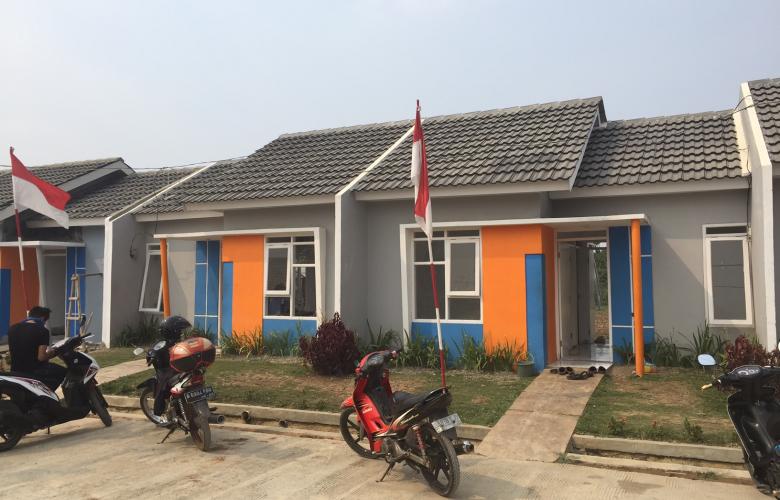
Indonesia, the world’s fourth most populous nation, faces a housing deficit exceeding 12 million units, concentrated in cities like Jakarta, Surabaya, Bandung, Medan, and Makassar. Rising land prices and urban migration exacerbate this gap, while the government’s One Million Houses Program and tax incentives stimulate investment. Secondary cities, with their economic growth and infrastructure expansion, offer significant opportunities for affordable housing development.
Key Drivers of Affordable Housing Investment
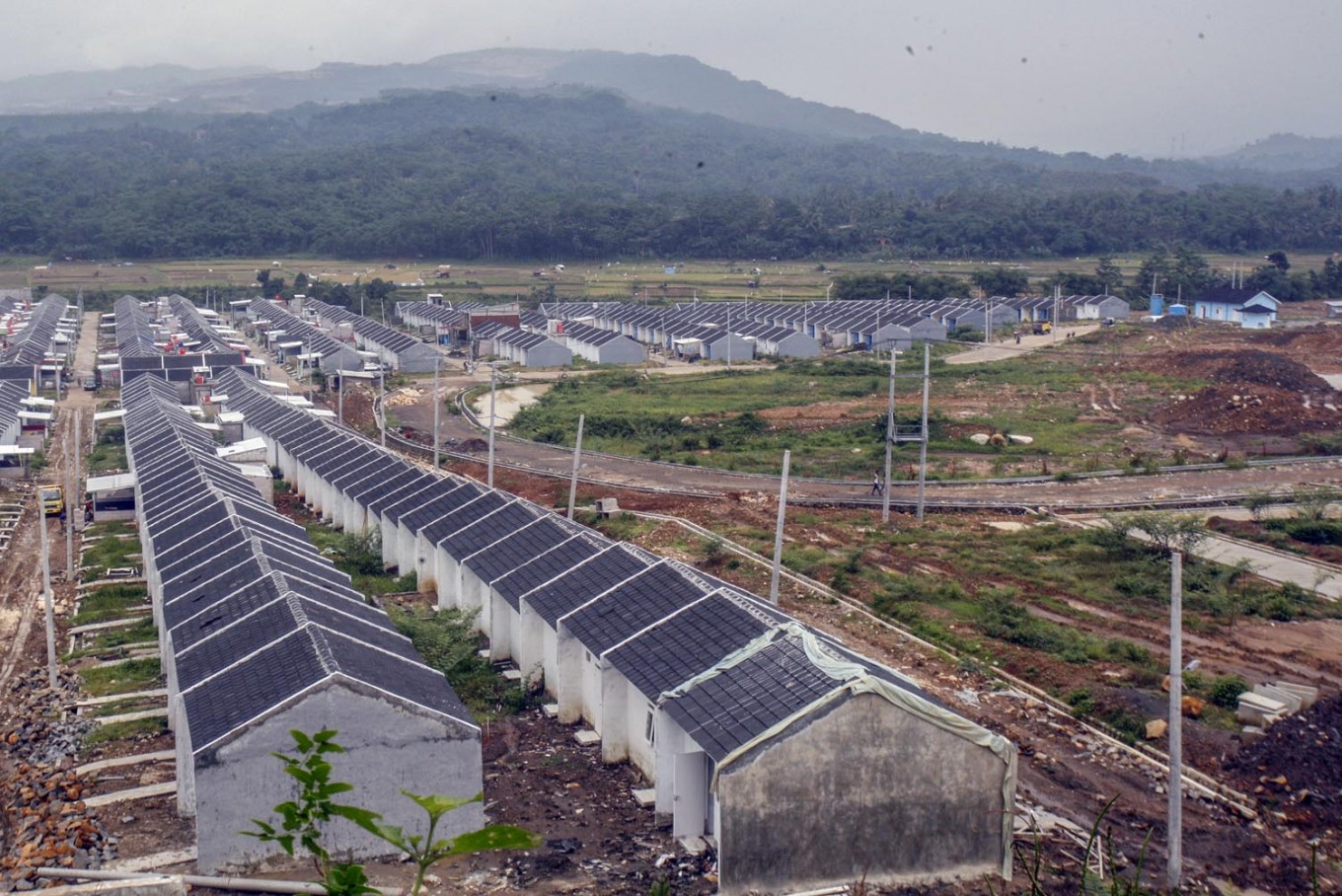

Several factors drive the investment potential in affordable housing development in Indonesian cities:
- Demographic Momentum: Over 50% of Indonesians are under 35, driving demand for affordable first homes.
- Rapid Urbanization: Urban population is projected to reach 70% by 2045, increasing housing needs.
- Government Policies: Subsidies like FLPP and tax incentives attract private investment.
- Infrastructure Development: New transport networks expand housing projects to peri-urban areas.
- ESG Investment: Global demand for sustainable housing draws institutional investors.
These drivers align with broader sustainability trends. Related: Securing angel investment for climate-tech startups reflects similar ESG-driven opportunities in Indonesia.
Challenges in Developing Affordable Housing
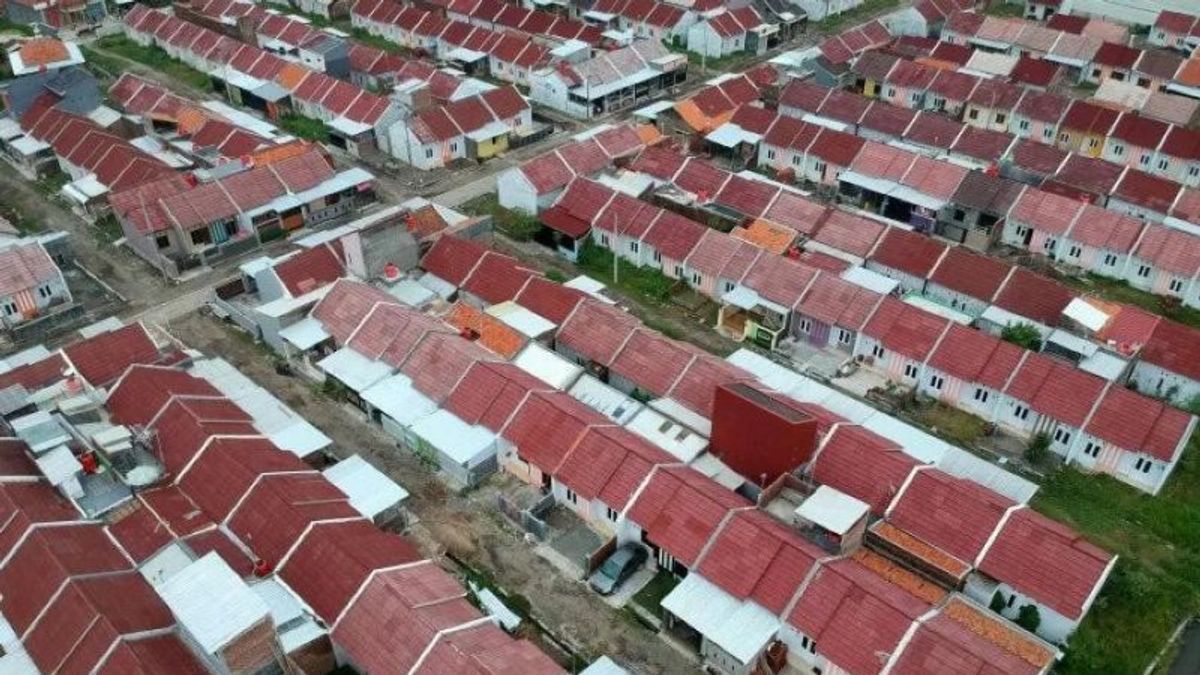

Despite the potential, investors face several hurdles:
- Land Acquisition Barriers: Complex ownership and high urban land prices delay projects.
- Financing Constraints: Limited access to low-cost, long-term financing for developers.
- Regulatory Complexity: Zoning and permit bottlenecks slow progress. Related: FinTech regulations in Indonesia highlight similar regulatory challenges for innovative sectors.
- Construction Costs: Rising material and labor costs impact profitability.
- Mortgage Accessibility: Many low-income households lack access to formal financing.
Government Incentives and Support Programs
Indonesia’s government supports affordable housing through:
- FLPP Mortgage Subsidy: Subsidized rates for low-income buyers.
- Public-Private Partnerships (PPP): Collaboration for large-scale projects.
- Tax Exemptions: Incentives for affordable housing developers.
- Sustainable Housing Policies: Promoting energy-efficient designs.
These initiatives also support related sectors. Related: Indonesia’s fertilizer subsidies demonstrate government efforts to bolster key industries.
Emerging Trends Shaping the Affordable Housing Market
Transformative trends are redefining the sector:
- Green Housing: Eco-friendly designs with solar panels and water-efficient systems.
- PropTech Solutions: Digital tools for land mapping and mortgage applications.
- Modular Construction: Prefabricated homes for cost and time savings.
- Inclusive Financing: Micro-mortgages and rent-to-own schemes expand access.
- Regional Diversification: Secondary cities like Surabaya and Batam attract investment.
Where the Market Is Headed
The investment potential in affordable housing development in Indonesian cities will grow as infrastructure matures and economic recovery accelerates. Suburban and peri-urban zones offer affordable land, while sustainable practices and digital innovations redefine development models.
Global partnerships further enhance opportunities. Related: Indonesia-Turkiye aviation pact reflects growing international collaboration that could support housing infrastructure.
Seizing the Momentum
Indonesia’s affordable housing sector combines profitability with social impact, driven by strong demand, government support, and sustainability trends. Investors leveraging innovative financing and green development models will lead the market. By navigating regulatory and financing challenges strategically, stakeholders can unlock the full investment potential in affordable housing development in Indonesian cities.