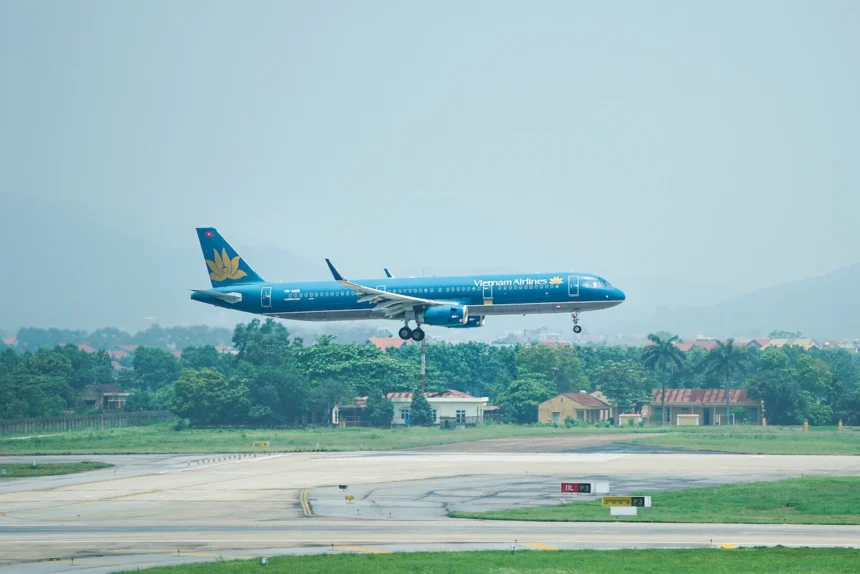
Strategic Network Adjustments And Service Suspensions For Vietnam Airlines
The landscape of regional aviation is undergoing a significant transformation as Vietnam Airlines prepares to implement a series of strategic flight suspensions across several key domestic routes starting from the first of April. In a move aimed at optimizing operational efficiency during a period of intense economic pressure, the national flag carrier will stop flying between the industrial hub of Hai Phong and several major tourist and commercial destinations, including Buon Ma Thuot, Cam Ranh, Phu Quoc, and Can Tho.
Additionally, services between the bustling metropolis of Ho Chi Minh City and the regional airports of Van Don, Rach Gia, and Dien Bien are also slated for suspension. These collective adjustments represent a total reduction of twenty-three flights per week, a decision that underscores the immense challenges currently facing the broader transport sector. The leadership at Vietnam Airlines has emphasized that these measures are necessary to maintain the long-term viability of the network while navigating a global energy crisis that has disrupted traditional cost structures.
This restructuring is not merely a localized event but a response to shifting geopolitical dynamics in the Middle East, which have sent shockwaves through the international jet fuel market. As the industry grapples with these macro headwinds, the ability to pivot and reallocate resources toward more profitable or essential corridors has become a defining characteristic of successful airline management. Passengers are being advised to monitor their booking statuses closely, as the carrier works to provide alternative travel solutions and minimize the impact on essential connectivity.
Escalating Operating Costs And The Impact Of Global Fuel Volatility
The primary driver behind the recent operational shifts at Vietnam Airlines is the unprecedented surge in global energy prices, which has placed an immense financial burden on carriers across the Asian continent. According to data provided by the International Air Transport Association, the price of Jet A-1 fuel has skyrocketed to 204.94 USD per barrel, representing a staggering 136% increase compared to the average prices recorded during the previous year. This rapid escalation in overhead costs has forced many private carriers to reconsider their frequency on several sectors.
A recent survey conducted by the Civil Aviation Authority of Vietnam involving nearly forty domestic and international airlines revealed that more than 60% of operators are in various stages of introducing fuel surcharges or adjusting their primary ticket pricing. These fare increases typically range between 5% and 20%, though some organizations have implemented flat fuel surcharges ranging from 130,000 VND to as much as 10 million VND depending on the distance and service class. For the cargo transport segment, which is vital for the nation’s export-oriented economy, surcharges have also become common.
The management at the airline continues to analyze these market dynamics in real-time, seeking a balance between maintaining affordable travel and ensuring financial sustainability. The integration of fuel-efficient technology and the optimization of flight paths are ongoing efforts intended to mitigate the impact of these external price shocks. However, without a stabilization in global commodity markets, the pressure to pass on these costs to the consumer remains high, marking a challenging period for both the industry and the traveling public as they navigate the highest fuel prices in recent history.
Proactive Government Engagement And The Path Toward Aviation Resilience
Facing these intense cost pressures, the executive leadership at Vietnam Airlines has joined forces with other domestic carriers to seek critical support from the government to safeguard the future of the aviation industry. The industry’s formal request includes a comprehensive set of measures designed to provide immediate liquidity and long-term fiscal relief, such as the reduction of environmental protection taxes and the lowering of specific aviation fuel levies. Furthermore, there is a strong call for the government to scrap import duties on fuel sourced from outside the region.
Beyond tax relief, the airlines are advocating for interest rate support, the restructuring of existing corporate loans, and a significant adjustment of aviation service fees at major airports to lower the barrier for daily operations. This collaborative effort between the private sector and public authorities is seen as essential for maintaining the competitive position of the national carrier and its peers within the regional market. The proposed adjustments to airport service fees are particularly crucial, as they directly impact the underlying cost per passenger and the overall attractiveness of the nation.
By fostering a more supportive regulatory and financial environment, the government can help the aviation sector absorb the current energy shock and emerge with a more resilient business model. The success of these negotiations will likely determine the pace at which suspended routes can be restored and the extent to which the industry can contribute to the broader economic recovery. As the national carrier works toward a more sustainable future, its focus remains on delivering high-quality service while advocating for the systemic changes necessary to thrive in an increasingly volatile global landscape.
Institutional Re-Rating And The Strategic Valuation Of Aviation Infrastructure
The 2026 operational performance of the aviation sector in Vietnam marks a definitive shift in the valuation methodology for regional transportation conglomerates, signaling a transition toward a high-transparency resource security model. We analyze that the strategic flight suspensions implemented by Vietnam Airlines are not merely localized logistical adjustments but structural efforts to align the national carrier’s capital allocation with global benchmarks for operational resilience. From a professional financial perspective, the proactive engagement with the government regarding fuel tax relief and loan restructuring provides a layer of institutional gravity.
This suggests that the local market is currently entering a phase of institutionalization, where the ability of a flag carrier to manage complex energy margins and geopolitical supply disruptions outweighs the traditional focus on sheer passenger volume. Furthermore, we project that the industry’s push for lower environmental and aviation taxes will act as a localized buffer against the tightening liquidity conditions currently pressuring emerging market equity benchmarks. For institutional investors, this coordinated advocacy for fiscal support provides a unique entry point into the Southeast Asian growth narrative.
The long-term impact on the regional market will manifest as a structural stabilization of aviation valuations, as standardized fuel surcharge protocols and improved fiscal transparency reduce the idiosyncratic risks historically associated with the Southeast Asian airline sector. This transition toward a more predictable development model provides a more fertile environment for secondary offerings or debt capital market activity in the logistics and transport space. As corporate governance within the industry is strengthened through rigorous cost auditing and strategic realignment, we expect a narrowing of the risk premium for large-scale carriers. The proactive financial stance observed in this 2026 outlook sets a new standard for how regional aviation giants can transform global market challenges into institutional stability and sustainable long-term economic prosperity through disciplined innovation and strategic resource management.