Advancing Productivity And Innovation In The Textile & Footwear Sectors
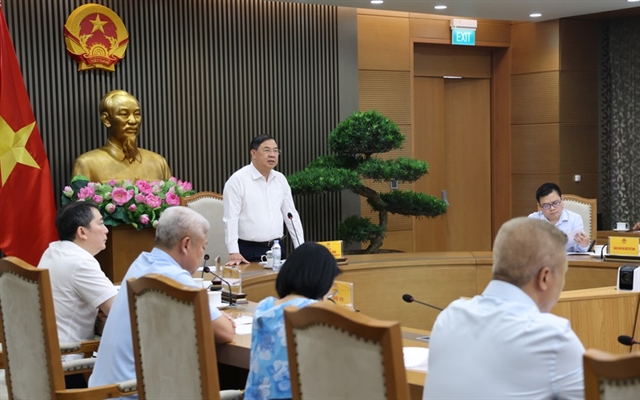
Deputy Prime Minister Phạm Gia Túc recently urged the domestic textile & footwear sectors to accelerate the integration of science and technology, innovation, and digital transformation to significantly boost productivity and overall product quality. This strategic directive emphasizes the urgent need for companies to expand sustainable manufacturing practices that align with environmental, social, and governance standards. By focusing on these core areas, the government aims to strengthen the competitive edge of these vital industries on the global stage.
During his meeting with the Vietnam Textile and Apparel Association and the Vietnam Leather, Footwear and Handbag Association, the Deputy Prime Minister highlighted the necessity of developing circular economy models. This includes the innovative recycling of production by-products and discarded garments into new, valuable consumer goods as part of the broader national green growth strategy. The State has committed to providing necessary policy support, including assistance with land access and specialized financing, for companies to develop their technological capabilities.
This initiative is particularly aligned with national resolutions concerning breakthroughs in science, technology, and digital transformation. As the global landscape shifts, these efforts are crucial for maintaining the country’s position as a major contributor to national export turnover. By investing in these advancements, manufacturers can better navigate changing conditions, address labor requirements, and continue to provide significant employment opportunities for millions of workers across the nation while adhering to increasingly stringent international market demands for sustainability and responsible production methods.
Strengthening Supply Chains And Overcoming Operational Bottlenecks
The textile & footwear industry plays a monumental role in the national economy, accounting for a substantial portion of export turnover and employing over three million workers combined. Despite impressive export performance, where apparel exports have reached significant market heights and footwear production consistently ranks among the top global leaders, domestic manufacturers face ongoing challenges. These obstacles include a lingering dependence on imported fabrics and accessories, the underutilisation of tariff preferences available under various free trade agreements, and persistent labor shortages.
The industry has identified the need for high-tech, environmentally compliant investments—particularly in dyeing and finishing—to build a more robust and self-reliant domestic supply chain. To address these systemic issues, industry associations have proposed a series of critical reforms, including the establishment of a national materials and accessories center. This hub would serve as both an innovation center and a tactical solution to existing bottlenecks by increasing the local production of inputs.
By raising the local procurement rate and enhancing the capacity of supporting-industry enterprises, manufacturers aim to improve their resilience against supply-chain disruptions. Furthermore, calls for streamlining customs procedures and refining value-added tax regulations are central to reducing the administrative burden on businesses. These improvements are essential for fostering a more favorable business environment that enables companies to focus on core production activities, product quality, and long-term sustainability goals while navigating the complexities of international trade.
Building Long-Term Competitiveness And Sustainable Growth
To ensure continued double-digit economic growth and progress toward the national development goals through 2030, the government is committed to removing obstacles and creating favorable conditions for the textile & footwear industries. This includes a clear focus on addressing bottlenecks and preventing overlapping inspections, which historically hinder operational efficiency and corporate growth. The Deputy Prime Minister stressed the importance of stronger product and corporate branding, encouraging businesses to leverage the full range of benefits provided by new-generation free trade agreements.
Deeper participation in global value chains is also encouraged, along with a strategic shift toward expanded production of domestically sourced materials. Businesses are urged to invest heavily in workforce training, digital transformation, and green production techniques to enhance their long-term competitiveness. By doing so, they can better integrate into the modern, circular economy that is increasingly demanded by international buyers.
The government will continue to maintain effective oversight against trade fraud and violations of rules of origin, ensuring that the industry maintains its integrity while expanding its footprint in diverse global markets. Through collaboration and continued investment, the domestic textile & footwear sector can navigate current global pressures, improve workers’ living standards, and solidify its role as a cornerstone of the national economy. This comprehensive approach reflects a shared vision for sustainable, high-value production that drives economic prosperity while meeting the global standard for responsible and efficient manufacturing in an evolving digital and green-conscious market.
Regional Market Impact And Strategic Economic Analysis
From a strategic economic perspective, the government’s push to modernize the textile & footwear value chain is a pivotal move to mitigate the middle-income trap and transition toward higher-value manufacturing. As regional competition intensifies, particularly from emerging manufacturing hubs in South Asia and Southeast Asia, Vietnam’s traditional reliance on low-cost labor is becoming less sustainable. The emphasis on digital transformation and circular economy practices is not merely an environmental policy but a competitive imperative to meet the stringent sustainability requirements imposed by major export markets such as the European Union and the United States.
The successful implementation of a national materials and accessories center could fundamentally alter the regional trade landscape by reducing the reliance on imported inputs from neighboring countries. By shortening the supply chain and localizing the production of high-tech textiles, domestic manufacturers can achieve greater agility, lower logistics costs, and significantly improved margins. However, this transition requires substantial capital expenditure and a high degree of technical upskilling for the workforce. The regional impact is likely to be significant, as Vietnam seeks to position itself as a premium production destination rather than just a assembly-based economy.
Investors and stakeholders should monitor the pace of these reforms, as the ability to harmonize regulatory support with private sector innovation will determine the long-term viability of this strategy. Should these initiatives succeed, Vietnam could serve as a regional template for how to effectively leverage trade agreements to drive industrial upgrading. Conversely, failure to adequately address the current supply-chain bottlenecks and labor market gaps may lead to a loss of competitiveness, as manufacturers might find it increasingly difficult to meet both price and sustainability benchmarks in an evolving global market. The long-term outlook remains cautiously optimistic, provided the government maintains its commitment to streamlining procedures and fostering a pro-innovation business environment.