Expanding Waste Management Infrastructure Through the Weiming Partnership
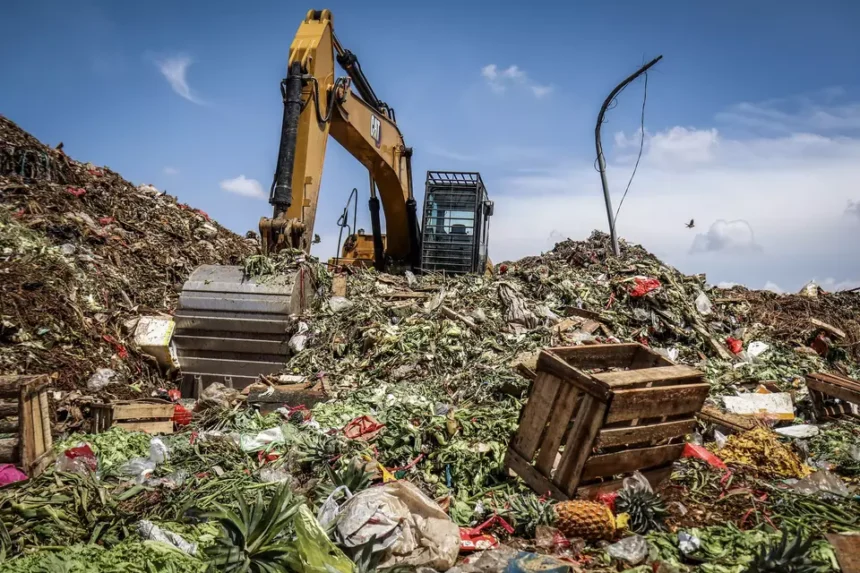
Indonesia has taken a decisive step toward resolving its systemic waste management crisis by selecting Weiming Environment Protection as the primary operating partner for the critical Bogor Raya waste-to-energy initiative. This strategic appointment, managed by the sovereign wealth fund Danantara, signifies a major milestone in the nation’s ambitious multibillion-dollar energy transition roadmap. The project is part of a grander vision to establish advanced processing facilities across thirty-three major cities, addressing the environmental hazards posed by Indonesia’s rapidly expanding landfills. With an estimated total investment requirement of approximately 84 trillion rupiah, or roughly 5 billion dollars, the government is prioritizing the most densely populated and polluted urban centers.
The selection of Weiming follows a rigorous evaluation process where Danantara analyzed a shortlist of twenty-four high-profile international investors to ensure the highest standards of operational efficiency. This partnership is particularly significant as it marks the company’s second major victory in the Indonesian market, following its recent appointment to manage the Denpasar plant in Bali. By leveraging the technical expertise of seasoned global players, Indonesia aims to convert thousands of tons of daily refuse into renewable electricity, thereby reducing dependence on fossil fuels. This rare acquisition of high-tier technical partnership serves as a leading indicator of how Southeast Asian nations are navigating the complexities of green infrastructure development.
The initiative is slated to begin construction in the third quarter of 2026, with a target completion date set for the final quarter of 2027. This timeline reflects President Prabowo Subianto’s urgent call for a swift resolution to the waste problem, which he has identified as a potential threat to the nation’s long-term economic and environmental health. The project serves as a pilot for future urban expansions, testing the viability of foreign-operated energy plants in a domestic setting. By securing this late-March 2026 project commencement, the refinery of urban waste is positioned to become a central pillar of the national circular economy, transforming environmental liabilities into sustainable energy assets.
Strategic Collaboration and the Mandate for Local Technology Transfer
To ensure that the benefits of this massive infrastructure rollout extend beyond immediate waste reduction, Danantara has explicitly mandated that Weiming form a collaborative consortium with local Indonesian firms. This requirement is central to the government’s strategy of fostering meaningful technology transfer, allowing domestic engineers and technicians to gain firsthand experience in operating world-class incineration and energy conversion systems. While the specific local partners for the Bogor Raya facility have yet to be publicly named, the objective is to create a seamless integration between international operational excellence and local government coordination.
Danantara Chief Investment Officer Pandu Sjahrir has emphasized that the chosen partners, including the specialists at Weiming, must maintain consistent performance while upholding strict compliance with environmental regulations. This consortium-based approach is expected to bridge the gap between foreign capital and regional administrative needs, ensuring that sub-national governments are fully aligned with the operational goals of the facilities. According to recent corporate filings, the Chinese firm brings a formidable track record to the table, with a portfolio of fifty-five waste-to-energy projects worldwide and a daily operational scale exceeding 37,000 tons.
The success of this model is crucial for the first batch of cities, which also includes a project in Bekasi managed by another international firm. By embedding local participation into the heart of the project, Indonesia is building the necessary human capital to eventually manage its own green infrastructure independently, securing a future where sustainable technology is a domestic standard rather than an imported luxury. This maneuver highlights the ingenuity required by energy procurement teams to maintain operations during a period where global supply chains for green tech are increasingly expensive. By utilizing smaller localized consortiums, the refiners of waste can navigate around the logistical bottlenecks that often plague large-scale state projects.
Economic Multipliers and the Protection of the National Tourism Sector
The strategic rollout of these waste-to-energy facilities is projected to generate a powerful tenfold multiplier effect on the broader Indonesian economy, creating an estimated 3,500 direct and indirect employment opportunities. This massive influx of capital and labor is particularly vital for regional development, as the construction phase alone will stimulate local supply chains and technical services. Beyond the immediate fiscal gains, the government views the success of companies like Weiming as essential for safeguarding the crown jewel of Indonesia’s economy: the tourism sector.
President Prabowo has been vocal about the devastating impact that unmanaged garbage could have on international travel hotspots, specifically noting that the reputation of Bali as a pristine destination is at stake. He has argued that hygiene and public health are the fundamental pillars of a flourishing tourism industry, and that a failure to address the trash mountain problem would discourage foreign visitors from returning. This perspective frames the energy projects not just as industrial facilities, but as critical guardians of the national brand. As Chinese investment in Indonesia continues to grow, the waste-to-energy sector has emerged as a key pillar of bilateral economic cooperation.
The involvement of Weiming in both Bogor and Denpasar suggests a high degree of trust in their ability to deliver results in high-stakes environments. Ultimately, the successful conversion of urban waste into productive energy will ensure that Indonesia remains a competitive, clean, and healthy destination for global tourists and investors alike, solidifying its position as a regional leader in sustainable development. The successful arrival and processing of this investment will be a testament to its strategic foresight in a year defined by high stakes and narrow margins. As global trade routes for environmental technology continue to evolve, the lessons learned from this rare transaction will likely inform the national energy strategy for several years to come.
Macroeconomic Displacement and Institutional Capital Allocation Analysis
The 2026 energy and environmental realignment in Indonesia represents a critical inflection point in the Southeast Asian B.I.F.E. landscape, signaling a shift toward more sophisticated fiscal governance of green infrastructure. We analyze that the appointment of international operating partners for the Bogor and Denpasar waste-to-energy projects is a direct response to the increasing pressure on municipal balance sheets and the urgent need for sustainable urban scaling. From a professional financial perspective, the involvement of Danantara as a sovereign wealth fund intermediary implies that the government is moving away from traditional state-funded procurement toward a more resilient public-private partnership model.
We project that the entry of established technical giants will act as a localized catalyst for a re-rating of Indonesia’s industrial environmental services sector within the wider ASEAN framework. For institutional investors, the government’s mandate for local consortiums provides a necessary safeguard against capital flight and ensures that the technical dividends of the five-billion-dollar investment remain within the domestic economy. This strategic positioning allows Indonesia to leverage foreign technical expertise to fund the very innovations that will eventually modernize its municipal utilities. We observe that the market is already beginning to price in the improved operational efficiency of these cities, which will likely lead to enhanced regional credit ratings as environmental risks are mitigated.
We conclude that the interplay between waste management and tourism resilience will redefine the regional pecking order for foreign direct investment over the 2026 to 2030 period. As Indonesia executes this rollout, the outcome will likely dictate the long-term stability of the tourism-driven service economy and the broader attractiveness of its urban real estate markets. Institutional analysts should look beyond the immediate construction costs to assess the structural integrity of the resulting energy grid and the government’s ability to maintain high operational standards through its selected partners. The successful navigation of this green transition will verify Indonesia’s maturity as a diversified economy capable of transforming environmental liabilities into high-yield energy assets.