Presidential Vision for the Future of Indonesian Cacao and Downstream Industry
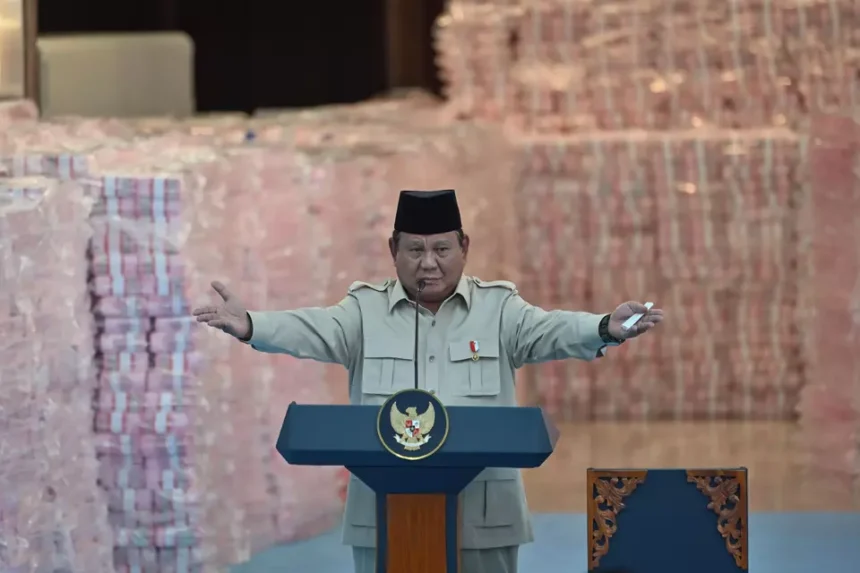
President Prabowo Subianto recently highlighted a striking economic irony, noting that despite being a global powerhouse for cacao production, Indonesia still relies heavily on imported chocolate brands. During a high-level interview with senior journalists at his Hambalang residence in early 2026, the President pointed out that the abundance of this raw ingredient should have already provided the national economy with a significant boost through the manufacturing of higher-value finished goods. He expressed a firm stance that the industrial processing of the nation’s natural resources is the only viable pathway to achieve sustainable economic growth and create high-quality employment for the domestic workforce.
This strategic shift involves nurturing a robust domestic chocolate industry to ensure that the value-added benefits of agricultural commodities remain within the country rather than being exported as raw materials. Prabowo specifically mentioned popular foreign brands like Kit Kat and Cadbury as examples of products that Indonesians consume despite having the capacity to produce superior local alternatives. Historical data suggests that while some international confectionery giants once operated factories in Jakarta, many relocated to neighboring ASEAN countries like Malaysia and Thailand decades ago due to cost considerations.
To rectify this trade imbalance, the government has already begun drafting a comprehensive industrial tree or roadmap for all major commodities. This roadmap will specifically detail how the country intends to ramp up its domestic processing capabilities for cacao and other essential crops, moving away from a legacy of raw material dependency toward a future defined by industrial sophistication and self-sufficiency. By leveraging the state’s regulatory power, the administration aims to create a more favorable environment for local manufacturers to scale their operations and compete with global giants on equal footing.
The Hilirisasi Strategy and the Roadmap for Value-Added Commodities
The push to capture greater value from natural resources, a policy locally known as hilirisasi, was a defining feature of the previous administration and continues to be a central pillar of current economic planning. By focusing on the domestic processing of cacao, the government aims to replicate the success seen in the mineral sector, where strict export bans on raw ores successfully incentivized foreign investors to establish local manufacturing facilities. President Prabowo emphasized that building an integrated industrial ecosystem is crucial for transforming Indonesia from a mere supplier of raw ingredients into a global hub for finished consumer goods.
The proposed roadmap for the agricultural sector will provide a clear framework for investors, outlining the necessary infrastructure, technology transfers, and regulatory support required to revitalize the chocolate industry. Currently, Indonesia is seeing a rise in homegrown premium brands that are gaining traction among local consumers who are increasingly sweet on high-quality domestic products. Brands like the decades-old Silver Queen from Garut serve as a testament to the country’s long-standing capability in this sector, yet the goal is to scale this success to a national and international level.
By processing cacao into cocoa powder, butter, and finished confectionery locally, Indonesia can significantly increase its export earnings and reduce its vulnerability to the price fluctuations of the global commodities market. This strategy is not just about national pride; it is a calculated economic move to ensure that the wealth generated by the soil benefits the farmers and factory workers who form the backbone of the Indonesian economy. Furthermore, a robust downstream sector acts as a natural buffer against external trade shocks, keeping more capital circulating within the archipelago’s borders.
Agricultural Targets and the Economic Potential of Domestic Processing
As of 2026, Indonesia’s agricultural sector remains highly productive, with recent data from the Ministry of Agriculture indicating that the production of cacao reached approximately 616,000 tons in 2025. Projections for the current year suggest a further increase to 635,000 tons, providing a massive supply of raw materials that are ripe for industrial conversion. Despite this impressive output, the trade balance for processed goods remains a point of concern for policymakers. Trade Ministry data showed that while exports of cacao and its related processed products were valued at nearly $3.6 billion last year, there was a noticeable dip in monthly overseas shipments at the start of 2026.
This decline highlights the urgent need for a more resilient domestic processing base that can withstand global market shifts and maintain steady economic momentum. The transition from exporting raw beans to producing high-grade cocoa is essential, as the latter is the primary mainstay in the global chocolate production industry. By investing in modern refining technology and supporting local entrepreneurs, the government hopes to reverse the trend of importing foreign chocolate and instead position Indonesia as a premier exporter of finished luxury goods.
President Prabowo’s vision involves a future where the phrase “Made in Indonesia” on a chocolate bar is a mark of global excellence, backed by a transparent and efficient supply chain. Achieving this will require close cooperation between the government, agricultural cooperatives, and private investors to ensure that every step of the process—from the plantation to the packaging—meets international standards of quality and sustainability. Ultimately, the successful implementation of the cacao industrial roadmap will serve as a blueprint for other commodities, proving that Indonesia has the talent and the resources to dominate the global value chain.
Macroeconomic Displacement and Institutional Capital Allocation Analysis
The 2026 agricultural hilirisasi initiative represents a critical inflection point in the Indonesian financial landscape, signaling a transition toward a high-intervention domestic trade model designed to mitigate the middle-income trap. We analyze that the strategic prioritization of cacao processing is not merely a populist move but a structural effort to enhance the nation’s current account balance by capturing the significant delta between raw commodity prices and finished consumer pricing. From a professional financial perspective, the government’s willingness to implement a roadmap indicates a proactive stance toward reducing imported inflationary pressures. This suggests that the Indonesian market is currently positioning itself to offer a stability premium for investors in the agribusiness and industrial sectors, as the state seeks to internalize the secondary and tertiary stages of production.
Furthermore, we project that the current industrial tree strategy will act as a localized catalyst for a re-valuation of the food and beverage and retail sectors. For institutional investors, this state-backed push toward domestic processing provides a unique entry point into Indonesian consumer staples, as the cooling of import dependency allows for more predictable corporate margins and enhanced long-term dividend yields. We observe that the market is already beginning to price in a resilience factor for local enterprises that successfully align their supply chains with the government’s nationalistic trade framework. The ability of the administration to leverage these large-scale fiscal and regulatory maneuvers during a period of global supply chain restructuring proves that the institutional framework of Indonesia’s trade policy has reached a level of maturity that is highly attractive to long-term foreign direct investment.
The long-term impact on the regional market will manifest as a structural stabilization of the Indonesian Rupiah, as the state reduces the currency’s sensitivity to the export of unprocessed low-margin beans. This transition toward a more resilient and state-supported development model reduces the risk of stagflation and provides a more stable environment for equity markets related to logistics and manufacturing infrastructure. As corporate governance is strengthened through the alignment of state-led processing initiatives with global sustainability standards, we expect a narrowing of the yield gap between Indonesian agricultural assets and more established emerging market consumer goods. The proactive financial stance taken by the administration today sets a new regional standard for how a resource-rich economy can transform global commodity uncertainty into localized institutional stability.