
Capitalargo.com – Foreign investment in the Philippines’ shipbuilding industry continues to gain strategic attention as the country positions itself as a major global player in maritime manufacturing. The Philippines is currently considered one of the most competitive shipbuilding hubs in Asia, thanks to its skilled labor force, coastal geography, and strong export potential. As global shipping fleets undergo modernization and companies seek lower-cost yet high-quality production centers, the country represents a promising destination for strategic capital.
At the same time, the Philippines faces several structural challenges that impact foreign investment in the Philippines’ shipbuilding industry. Policy uncertainties, infrastructure gaps, financing limitations, and supply chain dependency remain core concerns for both local and foreign stakeholders. Understanding both sides of this equation is essential for investors evaluating long-term commitments.
This article provides a deep view into the challenges and opportunities for foreign investment in the Philippines’ shipbuilding industry and outlines future prospects for growth under evolving global demand — a trend that dovetails with rising interest in sustainable maritime infrastructure, including water treatment and offshore support vessels critical for green shipping.
Why the Philippine Shipbuilding Sector Matters

The shipbuilding and repair sector in the Philippines serves both commercial and defense needs. It supports a broad industrial ecosystem that includes steel fabrication, maritime engineering, electronics, and transport logistics. Large international players have already established operations, including Japanese and South Korean companies, which view foreign investment in the Philippines’ shipbuilding industry as a strategic part of their global networks.
The industry plays a significant economic role through:
- Employment creation in coastal regions
- Export contributions to the national economy
- Skill development in advanced manufacturing
- Technology transfer from global specialists
- Strengthening defense and maritime security supply chains
Rising global demand for greener and more efficient vessels enhances the long-term potential of the sector, encouraging deeper foreign investment in the Philippines’ shipbuilding industry. The sector contributed PHP 52.8 billion to GDP in 2024 and employed over 85,000 workers directly.
Major Opportunities for Foreign Investment
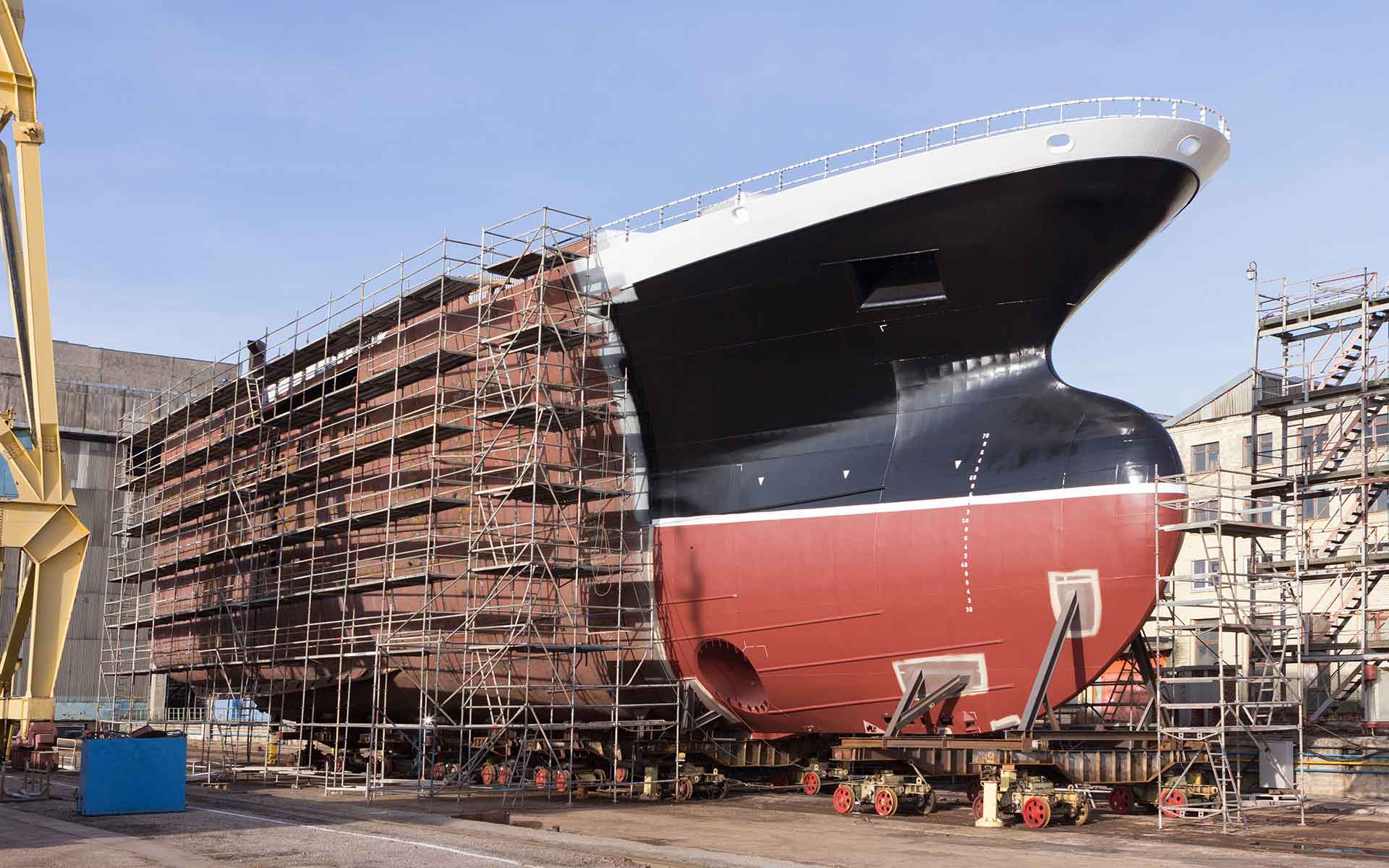
Foreign investors evaluating the Philippines’ shipyard ecosystem can benefit from several expanding opportunities:
Skilled Workforce Advantage
The country boasts one of the world’s largest pools of maritime talent. Filipino shipbuilders and repair technicians are globally recognized for precision welding, outfitting, and project management. Labor costs remain 40–60% lower than in Korea or Japan while maintaining high quality standards.
Strategic Geographic Position
Located along vital Asia-Pacific shipping lanes, the Philippines offers natural deep-water ports and proximity to major trade routes — ideal for vessel delivery and after-sales service.
Government Incentives and Policy Support
The Philippine government actively supports foreign investment in the Philippines’ shipbuilding industry through:
- BOI-registered tax holidays (4–7 years)
- 100% foreign ownership allowed under the Foreign Investments Act
- Duty-free importation of capital equipment via PEZA zones
- Income tax holidays and accelerated depreciation
Expanding Global Demand
Investors can capitalize on rising orders for LNG carriers, offshore wind installation vessels, ro-ro ferries, and decarbonized bulk carriers — segments where Philippine yards are increasingly competitive.
Technology Transfer and Joint Ventures
Partnerships with Hanjin (now reopened as Agila Subic), Tsuneishi, Austal, and Keppel have already delivered advanced block-construction techniques and digital shipyard capabilities.
Key Challenges Facing Investors

Despite major benefits, several obstacles may hinder the expansion of foreign investment in the Philippines’ shipbuilding industry:
- Infrastructure Constraints
Power reliability, deep-draft port access, and domestic high-grade steel production remain limited. - Policy and Regulatory Uncertainty
Delays in implementing the Maritime Industry Development Plan (MIDP 2028) and inconsistent incentive application create planning risk. - Strong Regional Competitors
China, South Korea, and Vietnam continue to dominate large-vessel orders through scale, subsidies, and automation, and integrated supply chains. - Limited Domestic Supply Chain
Over 70% of steel plates, engines, and navigation systems are imported, exposing projects to currency and logistics volatility. - Financing Gaps
Local banks remain cautious on long-tenor shipyard loans; most financing still comes from Korean EXIM or Japanese JBIC.
Regulatory Landscape for Foreign Investors
Positive reforms continue:
- Full foreign ownership permitted in shipbuilding & repair
- PEZA and BOI incentives extended to shipyard expansion projects
- Public Utility Status removed — eliminating previous 40% foreign equity cap
- Maritime Industry Authority (MARINA) fast-track licensing for export-oriented yards
Growing Opportunities in Niche Segments
Emerging market needs are creating new specialized avenues:
- Offshore wind farm support vessels
- Electric and hybrid inter-island ferries
- Defense patrol craft and logistics ships
- Ship-to-ship LNG bunkering vessels
- Green ship recycling facilities
These niches align with global decarbonization and the Philippines’ archipelagic transport needs.
Planned government initiatives include:
- PHP 30 billion steel mill project in Misamis Oriental
- Subic and Cebu shipyard modernization under MIDP 2028
- Digital twin and Industry 4.0 adoption roadmap
- Expanded TESDA maritime welding and engineering programs
Why Investors Should Pay Attention Now
Global supply chains are transitioning rapidly. As companies diversify production away from concentrated markets, the Philippines stands out as an attractive alternative. Its balance of affordability, workforce capability, and strategic location positions it to benefit as maritime demand evolves — especially in provinces where e-commerce-driven logistics are also booming (see key drivers for rapid e-commerce growth in the Philippines provinces).
Investors who enter early may secure:
- First-mover advantage in the modernization wave
- Long-term cost efficiency
- Partnerships with key local players
- Access to a growing regional maritime economy
Final Outlook
The expansion of foreign investment in the Philippines’ shipbuilding industry will depend on the successful alignment of government reforms, infrastructure upgrades, and global technology partnerships. The sector offers high-potential returns with long-term growth prospects supported by regional maritime demand. The combination of opportunities and existing gaps presents a compelling case for careful, strategic entry — especially for investors in industrial manufacturing, maritime logistics, and sustainable infrastructure.
Those who recognize the challenges and opportunities for foreign investment in the Philippines’ shipbuilding industry today may help shape a stronger, more globally competitive future for Southeast Asian shipbuilding.