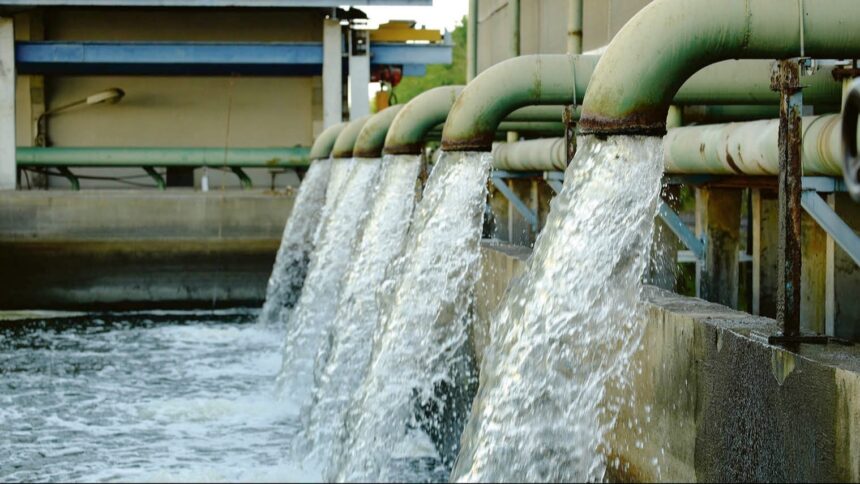
Capitalargo.com – Water security has become one of the most pressing issues in Southeast Asia, especially in rapidly urbanizing economies like the Philippines. With a population exceeding 115 million and continuous expansion of industrial zones, the country’s requirement for clean and safe water is climbing at an unprecedented rate. This demand is further intensified by climate change, aging infrastructure, and recurring supply instability in metropolitan regions.
Against this backdrop, investment opportunities in water purification and treatment companies have become increasingly attractive for both institutional and private investors. The Philippine wastewater treatment market is projected to grow from USD 53.2 billion in 2025 to USD 84.6 billion by 2031 at a CAGR of 8.2%, driven by rising water consumption, stricter regulatory standards, and infrastructure modernization efforts.
The Philippine water industry—once considered a low-visibility sector—has now moved into the spotlight as local governments, corporations, and households actively seek advanced purification solutions. Technological innovation, smart-water services, and stricter environmental regulations are fueling sector growth, giving rise to profitable opportunities for long-term investment. The gravity-based water purifier market alone is valued at USD 61.96 million in 2024 and expected to reach USD 206.61 million by 2033, exhibiting a CAGR of 13.74% during 2025-2033, due to demand for affordable, non-electric filtration solutions amid water quality issues and limited piped water access.
This article examines the forces shaping the market, the business models emerging within the sector, and the strategic investment pathways available to capitalize on this expanding demand. Sustainable infrastructure investments, as explored in opportunities for sustainable infrastructure investment in the Philippines, further amplify these prospects through public-private partnerships in water projects.
Why Water Purification and Treatment Is Becoming a High-Priority Sector
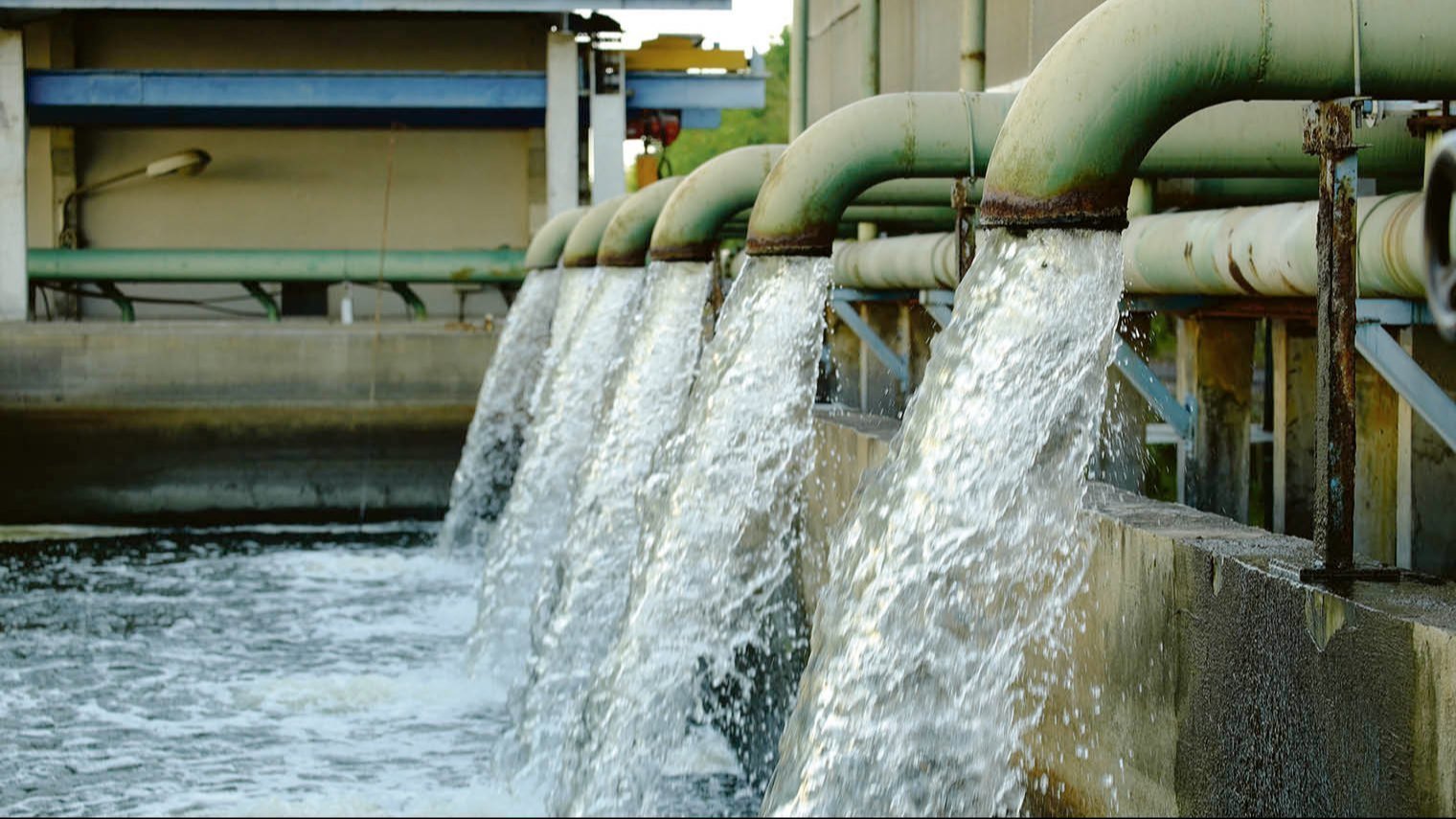

The pressure on the Philippine water system has reached a critical level. The country experiences periodic water shortages, especially in Metro Manila, where distribution problems and reservoir depletion highlight the fragility of the supply chain. With rising concerns over the quality of tap water, households increasingly rely on retail water refilling stations, filtration systems, and bottled water services.
This shift has made the sector more commercially viable. Several factors explain why investment opportunities in water purification and treatment companies are becoming more compelling:
- Rapid Urbanization and Industrial Growth
Urban centers require reliable water systems to support commercial establishments, residential developments, and industrial operations. As new economic hubs emerge across the archipelago, water purification technologies become essential components of infrastructure planning. - Heightened Consumer Awareness
Filipinos have become more informed about issues related to water contamination, chemical residue, and supply disruptions. Consumers are now willing to invest in safer drinking options, fueling demand for purification products. - Government Push for Water Security
Regulatory bodies are tightening compliance requirements for wastewater disposal, industrial waste discharge, and potable water safety. These policies create both market pressure and opportunity for private companies. The National Economic and Development Authority’s Philippine Water Supply Sector Roadmap targets universal access to water by 2025, spurring investments in treatment infrastructure. - The Rise of Environmental and Social Governance (ESG) Investing
Investors seeking sustainable, environmentally positive portfolios view water-related ventures as highly aligned with ESG goals. - Climate Change and Seasonal Volatility
Frequent typhoons, fluctuating rainfall patterns, and rising temperatures disrupt water supply cycles, increasing reliance on purification technology.
These factors collectively shape a favorable environment for firms involved in filtration systems, desalination, wastewater treatment, and water infrastructure services.
Key Business Models in the Philippine Water Treatment Sector


Investors exploring investment opportunities in water purification and treatment companies must understand the various business models that operate within the local market. The sector is diverse, spanning manufacturing, retail, industrial engineering, and digital water analytics technology.
Below are the main models gaining traction:
- Water Refilling Stations
A dominant model in urban and semi-urban areas, focusing on retail distribution of purified drinking water. Companies often operate through franchising, allowing investors to scale quickly. - Filtration Equipment Manufacturing and Importation
Manufacturers or distributors provide household filtration systems, industrial membrane technologies, UV sterilizers, and reverse-osmosis (RO) systems. RO purifiers lead due to their superior contaminant removal, with the market projected to grow at 8.4% CAGR through 2031. [](grok_render_citation_card_json={“cardIds”:[“ce6389”]}) - Industrial Water Treatment Services
These firms offer treatment solutions for manufacturing, mining, food processing, hospitality, and construction sectors. The industrial wastewater treatment market is expected to generate over $45 million in revenue by 2026, driven by rising industrialization and government initiatives. - Wastewater Treatment Plant (WWTP) Operators
Companies design, build, and manage treatment facilities for municipalities or private clients. Membrane-based solutions are expected to dominate, with smart systems seeing rapid growth via AI and IoT adoption. - Smart Water Management Startups
Technology companies focused on metering, leak detection, quality monitoring, and AI-driven purification optimization. - Desalination Providers
Particularly relevant in coastal regions and island communities with limited freshwater access.
Each of these business models presents unique investment entry points depending on the investor’s appetite for risk, capital availability, and long-term objectives.
Market Drivers Accelerating Investment Demand
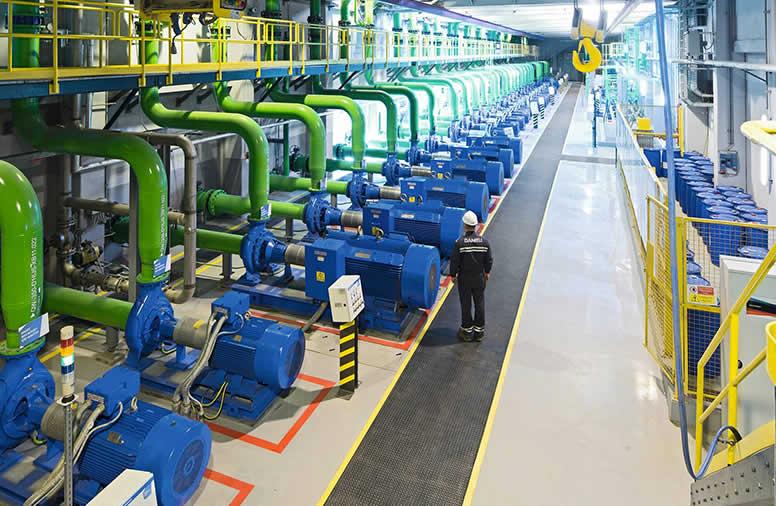

The water purification and treatment sector in the Philippines is being propelled forward by several key drivers:
- Increasing Water Contamination Reports
Pollution in rivers, industrial discharge, agricultural runoff, and inadequate waste management worsen water quality. Purification and treatment companies benefit from rising household and industrial demand for clean water solutions. - Infrastructure Gaps
The Philippines continues to face aging pipelines, insufficient treatment capacity, and inadequate distribution systems. These deficiencies open doors for private-sector participation and infrastructure investments. - Mandatory Wastewater Compliance
Under the Clean Water Act and newer environmental regulations, industries face strict requirements on wastewater treatment, creating a need for skilled service providers. - Population Growth
With millions of new consumers entering the middle class, disposable income for household filtration solutions is rising. - Tourism Expansion
Hotels, resorts, and tourism complexes require high-quality water systems to meet safety standards and enhance guest experience. - Support from the Financial Sector
Banks and investment firms increasingly offer green financing products, accelerating capital flow into sustainable water projects. Maynilad Water Services’ PHP 45.8 billion IPO in November 2025—the largest Philippine stock debut of the year—highlights investor appetite for water infrastructure.
These drivers contribute to the long-term relevance of investment opportunities in water purification and treatment companies throughout the Philippines.
Competitive Landscape and Emerging Opportunities
The market is populated by large-scale operators, franchised water refilling networks, innovative startups, and multinational manufacturers. While competition is notable, the demand-over-supply situation ensures that companies with strong technologies and reliable distribution networks continue to capture market share. Top players include Yokogawa Philippines, Pro Water Technologies, ORCA Applied Engineering Solutions, Global Water Engineering Corp., and BT ENVIRO Projects, focusing on advanced technologies for industrial and environmental needs.
Here are emerging opportunities investors should consider:
- Upgrading Existing Water Refilling Stations
Thousands of stations across the country still use outdated filtration and purification systems. Companies offering modernization services will see rising demand. - Industrial Water Treatment Modernization
Manufacturers now prioritize sustainability and must comply with new discharge regulations. Firms that deliver intelligent wastewater management solutions are set to benefit. - Desalination Investments in Water-Stressed Islands
Island provinces with insufficient freshwater sources are embracing desalination technologies. Investors can participate through public–private partnerships or infrastructure financing. - Smart Sensor and Monitoring Technologies
IoT-enabled water analysis is becoming essential for industrial and municipal facilities seeking real-time quality monitoring. - Local Manufacturing of Filtration Components
The country imports a significant portion of its filtration materials. Local production could reduce costs and shorten supply chains. - Public Infrastructure Partnerships
Private firms are increasingly contracted to build or operate treatment plants for cities and municipalities seeking faster implementation timelines.
These opportunities align well with long-term economic resilience and sustainability objectives for investors.
Risks Investors Should Consider Before Entering the Market
Although the industry offers promising potential, investing in the sector comes with several concerns.
Key risks include:
- Regulatory Uncertainty
While environmental laws are strict, enforcement can vary. Investors should ensure projects meet national and local compliance standards. - High Capital Expenditure (CapEx)
Desalination plants, advanced filtration manufacturing, and wastewater facilities require significant upfront investment. - Supply Chain Fluctuations
Import-heavy segments, such as RO membranes and specialized filters, remain vulnerable to global logistic disruptions. - Operational Complexity
Running treatment facilities requires engineering knowledge, technical staff, and consistent maintenance. - Price-Sensitive Consumer Market
Although demand is high, the market remains competitive. Pricing strategies must balance affordability with profitability. - Environmental and Climatic Vulnerability
Storm surges, floods, and infrastructure damage pose operational risks depending on facility location.
Effective due diligence and strong strategic partnerships are essential to mitigating these risks.
Long-Term Outlook for Water Purification and Treatment Investments
The long-term outlook for the sector remains strong, supported by structural demand and rising awareness of water quality issues. As climate impacts intensify, the Philippines will continue expanding its water purification infrastructure. Moreover, digital transformation and ESG commitments will reinforce investor confidence.
Several long-term trends are expected to shape the sector:
- Decentralized Water Treatment
Local purification hubs are becoming more common, reducing dependency on centralized systems. - Greater Adoption of Green Technologies
Energy-efficient filtration, solar-powered purification systems, and eco-friendly membranes are gaining traction. - Increased Participation of Foreign Investors
International companies are partnering with domestic firms or local governments to build large-scale facilities. - Integration of Smart-Water Technology
AI, IoT, and cloud analytics will optimize water quality monitoring and reduce operating costs. - Expansion of Government-Led Water Projects
Major water infrastructure programs will need private-sector collaboration and capital infusion.
Investors who enter the sector now are likely to capture significant upside as the Philippines works toward long-term water security.
Conclusion
The growing need for clean, safe, and reliable water systems in the Philippines signals a powerful opportunity for investors. Whether through filtration manufacturing, desalination, wastewater treatment, or smart-water technologies, the sector offers a combination of economic resilience, social relevance, and long-term profitability.
As the country continues facing recurring water shortages and rising quality concerns, the role of the private sector becomes even more crucial. The increasing number of investment opportunities in water purification and treatment companies highlights the strategic importance of the industry for future national development. Investors who understand market dynamics, implement strong risk management, and prioritize long-term sustainability will find the sector both rewarding and impactful.