Forging a Strategic Zero-Tariff Agreement with the US
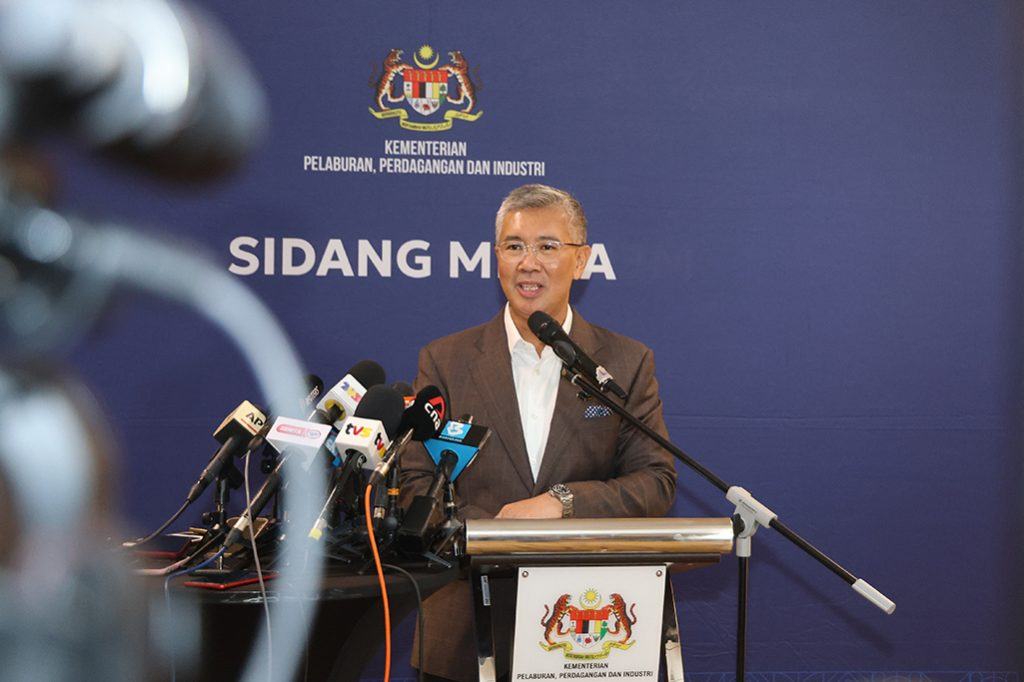
Malaysia’s recent and successful negotiation with the United States has culminated in a strategic trade agreement that sees the country committing to a zero-tariff policy for 6,911 out of 11,260 tariff lines, an offer that addresses 61 percent of Washington’s requests. According to the Minister of Investment, Trade and Industry (MITI), Tengku Datuk Seri Zafrul Tengku Abdul Aziz, this agreement was the result of a methodical, multi-agency process that involved close collaboration with various industry stakeholders. The minister was keen to highlight that while the deal opens up new trade avenues, it also included key exemptions for sensitive domestic sectors, ensuring that national interests were fully protected. He specifically noted that crucial products like pharmaceuticals and semiconductors would continue to enjoy a 0 percent tariff.Furthermore, the agreement successfully addressed non-tariff issues, such as sanitary and phytosanitary standards, without compromising Malaysia’s rigorous regulatory standards and oversight, demonstrating a balanced and strategic approach to trade liberalization.
Securing Favorable Terms and Protecting National Interests
The new trade framework sets a reciprocal tariff rate of 19 percent, which took effect on August 8. This outcome is considered a significant diplomatic achievement, as it places Malaysia on a level playing field with several of its ASEAN peers, including Indonesia, the Philippines, Thailand, and Cambodia. Minister Tengku Zafrul emphasized that the favorable terms were a result of last-minute, high-level negotiations, which included a direct phone call between Prime Minister Datuk Seri Anwar Ibrahim and US President Donald Trump, followed by subsequent discussions between MITI officials and US trade representatives. During these intense negotiations, Malaysia stood its ground and successfully secured “red lines” on sensitive issues, including excise duties on automobiles, tobacco, and alcohol. This firm stance was taken to protect local industries, especially the national automotive sector, which is a major employer, providing jobs for over 700,000 Malaysians. Cabinet approval was secured to guarantee that no national policies or strategic sectors were compromised in the final agreement.
Broader Commercial Commitments and Future Outlook
Beyond the tariff discussions, the new trade deal also includes broader commercial commitments that strengthen the bilateral relationship between the two nations. On the commercial side, Malaysia officially confirmed its commitment to purchase 60 Boeing aircraft from the US, an agreement valued at nearly US$19 billion. This substantial acquisition signals a long-term economic partnership that extends beyond trade in goods. In light of this new trade landscape, Minister Tengku Zafrul strongly urged Malaysian exporters to proactively utilize the country’s network of 18 free trade agreements (FTAs) to diversify their export markets and mitigate future risks. The government believes this strategic move will enable Malaysian businesses to capitalize on a wider range of global opportunities. A joint statement from MITI and the US Trade Representative (USTR) is expected to be released to formalize the terms of the agreement, marking a new chapter in the comprehensive trade and economic partnership between Malaysia and the United States.