Ambitious Targets for Halal and MSME Sectors
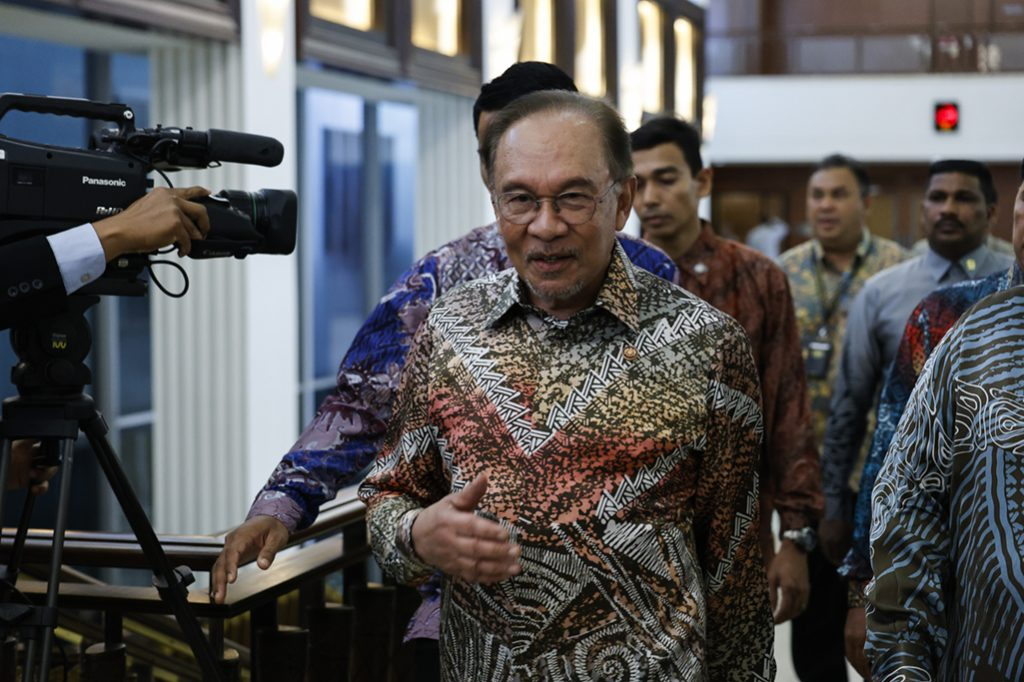
Under the framework of the 13th Malaysia Plan (13MP), Malaysia has set an ambitious goal of reaching RM80 billion in halal exports, which is expected to increase the sector’s contribution to the nation’s Gross Domestic Product (GDP) to 11 percent. Prime Minister Datuk Seri Anwar Ibrahim has highlighted that this significant target is actively supported by key initiatives such as the official establishment of the Halal Commission and the strategic development of new Halal Industrial Parks in Melaka, Perak, and Kelantan. These concerted efforts are designed not only to solidify Malaysia’s position as a global leader in the diverse halal industry but also to enhance the sector’s overall competitiveness in the challenging international markets. Concurrently, the government is also aiming to dramatically increase the contribution of micro, small, and medium enterprises (MSMEs) to 50% of Malaysia’s GDP by the year 2030, a critical milestone for long-term economic stability and growth. This growth will be powered by an expanded support ecosystem, featuring active and direct participation from government-linked companies (GLCs) through a range of new initiatives focused on capacity development, comprehensive digitalization, and fundamental operational enhancements to streamline business processes.
Fostering Growth Through Strategic Support
To facilitate the rapid growth of the MSME sector, several key initiatives are being put into place. These include the provision of a dedicated Strategic Investment Fund, which is designed to provide crucial capital for new ventures and expansion projects. The plan also focuses on strengthening working capital and project financing through the SME Capacity and Capability Enhancement Scheme, ensuring that these vital businesses have the necessary financial resources to scale up and innovate. Beyond financial support, the development of a highly skilled workforce is a central pillar of this strategy. This requires a strong collaborative effort involving major government ministries and agencies such as the Higher Education Ministry, Education Ministry, Human Resources Ministry, Rural and Regional Development Ministry (KKDW), and Majlis Amanah Rakyat (Mara). By coordinating these efforts, the government aims to create a cohesive ecosystem that not only provides funding but also nurtures the talent required to drive Malaysia’s economic transformation and create a more competitive and dynamic business environment.
Aligning Skills with the Future Economy
A major component of this national strategy involves a stronger focus on aligning educational outcomes with the needs of the modern economy. Prime Minister Anwar has emphasized that stronger linkages between educational institutions and industries will be a priority, particularly to enhance Technical and Vocational Education and Training (TVET). The government plans to restructure these TVET programs to place a greater emphasis on high-growth, high-value (HGHV) industries and advanced technologies. This realignment is specifically aimed at preparing the workforce for jobs that are in high demand and will be concentrated in key industrial hubs such as the Johor–Singapore Special Economic Zone (JS-SEZ), Kulim Hi-Tech Park (KHTP), and Kota Kinabalu Industrial Park (KKIP). Furthermore, this comprehensive development plan includes ambitious job creation targets for the 13MP period, with the goal of generating 700,000 new employment opportunities in the manufacturing sector and an additional 500,000 jobs within the rapidly expanding digital economy.