Resolving a Trade Crisis for Thailand
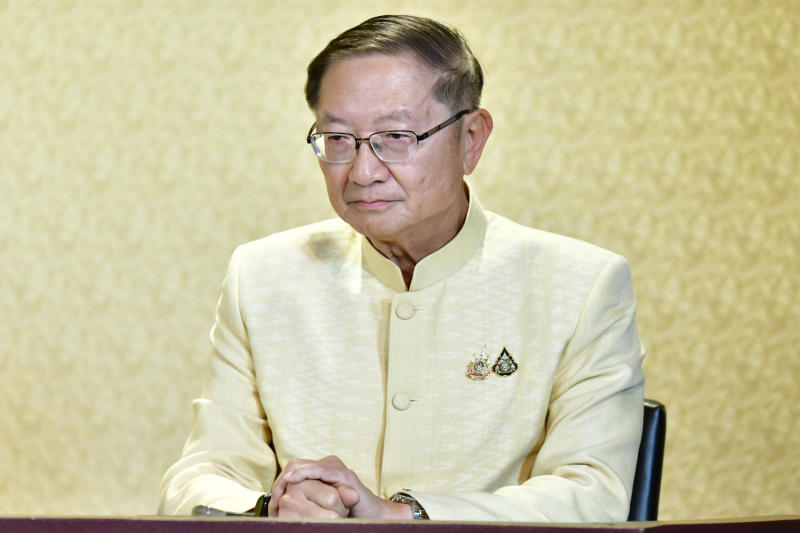
Thailand has successfully navigated a significant trade dispute with the United States by securing a new 19% tariff rate on its exports, a level that is markedly lower than the 36% that was initially threatened. According to Prommin Lertsuridej, the secretary-general to the prime minister, this resolution puts a decisive end to a global trade crisis and offers considerable advantages to the country’s business sector. He stated that the new rate is comparable to those faced by regional competitors, ensuring Thailand is in a fair and competitive position on the international stage. This outcome not only prevents a potential economic setback for the country’s export-driven economy but also provides a more predictable and stable environment for Thai exporters, which is particularly crucial in an era of heightened global trade tensions. The successful negotiation demonstrates the government’s competence in managing complex diplomatic and economic challenges, bolstering public and business confidence.
Strategic Concessions for a Level Playing Field
The favorable agreement, which is set to take effect this Thursday, was reached after the Thai government agreed to eliminate import duties on over 10,000 items from the United States. Dr. Prommin highlighted that this concession places Thailand on a level playing field with other regional exporters, or even gives it a slight competitive edge over some, demonstrating a strategic trade-off. By making these targeted concessions, the government has secured a far greater benefit for its domestic industries, particularly those in the export sector, which can now operate with a more certain and manageable tariff rate. With the crisis phase now concluded, he added that the government’s focus will shift to broader economic restructuring initiatives. This move indicates that the government intends to leverage the stable trade environment to implement long-term growth policies and further strengthen the country’s economic foundations beyond just trade negotiations.
The Path to Formal Implementation and Transparency
Looking ahead, the agreement must first pass through a special cabinet session to reach a consensus on the negotiation framework. Dr. Prommin confirmed that once this step is complete, the deal will be submitted to parliament for formal approval. This legal process is a crucial final stage before the new trade conditions can be fully implemented. The minister assured the public that this process would be transparent and fully compliant with the law, a key factor in building public trust and ensuring a democratic process for such a significant international agreement. This final stage of parliamentary approval underscores the importance of the deal and ensures that it has the full support of both the executive and legislative branches of the government. This commitment to a legal and transparent process signals to both domestic and international partners that Thailand is a reliable and responsible player in the global trade arena.