Capitalargo.com – In recent years, Malaysia has accelerated its renewable energy transition, with solar power at the forefront of its clean energy strategy. Committed to carbon neutrality by 2050, the government has rolled out a robust framework of government incentives for solar power projects in Malaysia to drive adoption across residential, commercial, and industrial sectors.
This article analyzes key policies, tax benefits, financing schemes, and market opportunities shaping Malaysia’s solar landscape—and what they mean for investors.
Malaysia’s Renewable Energy Vision: A Shift Toward Sustainability
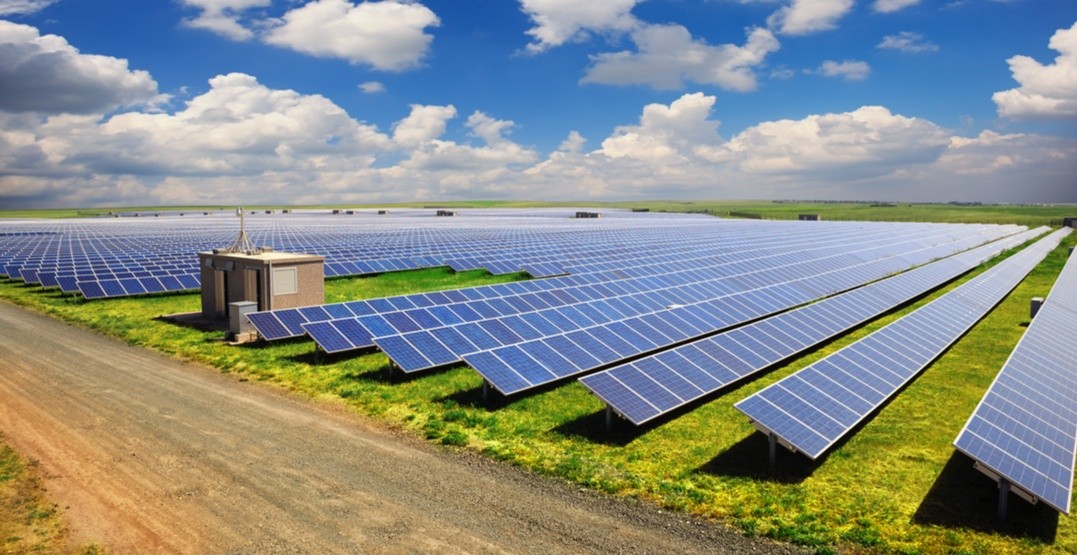
Historically reliant on fossil fuels—accounting for nearly 90% of electricity—Malaysia is diversifying its energy mix amid rising import costs and global climate pressure. The National Renewable Energy Policy and Action Plan (NREPAP) and Malaysia Renewable Energy Roadmap (MyRER) target 31% renewable capacity by 2025 and 40% by 2035, with solar contributing over 70%.
To meet these goals, Malaysia offers a suite of government incentives for solar power projects in Malaysia, including fiscal benefits and regulatory support, attracting both local developers and foreign direct investment (FDI). This policy push aligns with regional trade dynamics. Related: The long-term impact of RCEP on Malaysia’s growth includes enhanced clean energy cooperation across ASEAN.
Key Government Incentives for Solar Power Projects in Malaysia
- Feed-in Tariff (FiT) Scheme
Administered by SEDA, FiT allows producers to sell solar electricity to TNB at premium rates for up to 25 years. Smaller rooftop systems receive higher tariffs, encouraging residential adoption. Though phasing out for large projects, FiT remains vital for community-level solar. - Net Energy Metering (NEM) 3.0 Program
Launched in 2021, NEM 3.0 enables users to offset bills by exporting excess solar energy. It includes:- NEM Rakyat: For homeowners.
- NEM GoMEn: For government buildings.
- NEM NOVA: For commercial and industrial users.
This flexible model drives widespread adoption across sectors.
- Large-Scale Solar (LSS) Programme
Malaysia’s flagship utility-scale initiative awards contracts via competitive bidding. LSS4 allocated 1,000 MW to 30 developers, with LSS5 focusing on green financing and local content. It has slashed solar generation costs and bolstered grid stability. - Green Investment Tax Allowance (GITA) & Green Income Tax Exemption (GITE)
Managed by MIDA:- GITA: Up to 100% tax allowance on capital expenditure, offset against 70% of statutory income for 5 years.
- GITE: 100% income tax exemption for up to 10 years for green service providers.
These incentives significantly improve project ROI.
- Green Technology Financing Scheme (GTFS)
Offers 60% government guarantee and 2% interest rebate on loans for solar projects. Ideal for SMEs and equipment suppliers, GTFS enhances bankability and reduces financial barriers. - SEDA Grants and Support
Includes project registration, certification, and technical training via the e-FiT system, streamlining compliance for developers.
The Role of State Governments and Local Policies

Federal incentives are complemented by state-level programs. Selangor, Penang, and Johor offer property tax rebates and fast-track approvals for solar-integrated buildings. Sabah and Sarawak focus on microgrids for rural electrification, expanding solar access beyond urban centers.
Private Sector Participation and Investment Opportunities
The robust government incentives for solar power projects in Malaysia have spurred private-sector momentum. Independent power producers (IPPs), multinationals, and clean energy funds are active, with FDI flowing from Japan, South Korea, China, and Singapore. Corporate PPAs are rising, enabling direct renewable energy procurement.
Agri-tech is also adopting solar solutions for sustainable farming. Related: Venture capital trends in Malaysian agri-tech show growing interest in solar-powered irrigation and cold storage.
Challenges Facing Solar Power Development in Malaysia
Despite strong incentives, challenges remain:
- Grid Integration: TNB capacity constraints delay project connections.
- Financing Barriers: High upfront costs deter smaller developers.
- Policy Uncertainty: Frequent tariff changes affect long-term planning.
- Land Availability: Urban land scarcity increases costs.
- Technical Skills Gap: Shortage of trained solar engineers and technicians.
Future Outlook: Malaysia’s Solar Energy Transformation
Malaysia’s solar sector is poised for growth, with MyRER 2035 promoting decentralized systems and floating PV. Participation in the ASEAN Power Grid positions Malaysia as a regional clean energy exporter.
International partnerships are accelerating progress. Related: Malaysia-Brazil bilateral ties include potential collaboration in renewable energy technology. Similarly, Malaysia’s trade deal with the US under Trump-Anwar could open doors for American solar tech investment.
Empowering the Solar Revolution
The comprehensive government incentives for solar power projects in Malaysia—from FiT and NEM to GITA and GTFS—demonstrate a clear national commitment to clean energy. These policies not only drive solar adoption but also enhance energy security and economic resilience.
For investors, Malaysia’s solar market offers profitability, policy support, and long-term growth. With strategic risk management and innovation, the country is set to lead Southeast Asia’s solar revolution—paving the way for a sustainable energy future.