Capitalargo.com – The Malaysian commercial real estate market has faced significant shifts over the past several years. Economic uncertainties, evolving workplace trends, and global disruptions have reshaped how businesses view office spaces. Yet, as 2025 approaches, investors and property analysts are revisiting a crucial question: Is now the best time to invest in Malaysian commercial office space? The answer is not straightforward, but understanding the dynamics of market recovery, demand drivers, and investment risks can help make a strategic decision.
The commercial property sector in Malaysia remains an important component of the national economy, particularly in major business hubs such as Kuala Lumpur, Johor Bahru, Penang, and Cyberjaya. Even with the rise of hybrid and remote work models, corporate offices retain their role as central points for collaboration, branding, and organizational culture. However, investors must look beyond traditional assumptions and assess how current conditions compare to historical performance and future market potential.
To invest in Malaysian commercial office space effectively, one must examine market supply, tenant demand patterns, government development plans, and economic indicators that affect investment viability. This article provides a comprehensive analysis of these factors, offering insights for property investors with both short-term and long-term goals.
Understanding the Current State of the Commercial Office Market
The Malaysian office market has been undergoing a gradual shift since the peak disruptions of the COVID-19 pandemic. Vacancy rates rose sharply during 2020–2022 as companies downsized or delayed expansion plans. Hybrid work adoption also reduced the urgency for large office footprints. However, signs of recovery have begun to emerge driven by several key developments.
Firstly, business confidence has been rising, supported by steady GDP growth and increased foreign direct investment, particularly in sectors such as technology, green manufacturing, data services, and financial services. Many multinational companies expanding in Southeast Asia still prefer Malaysia due to its competitive operating costs and strategic location between Singapore and Thailand.
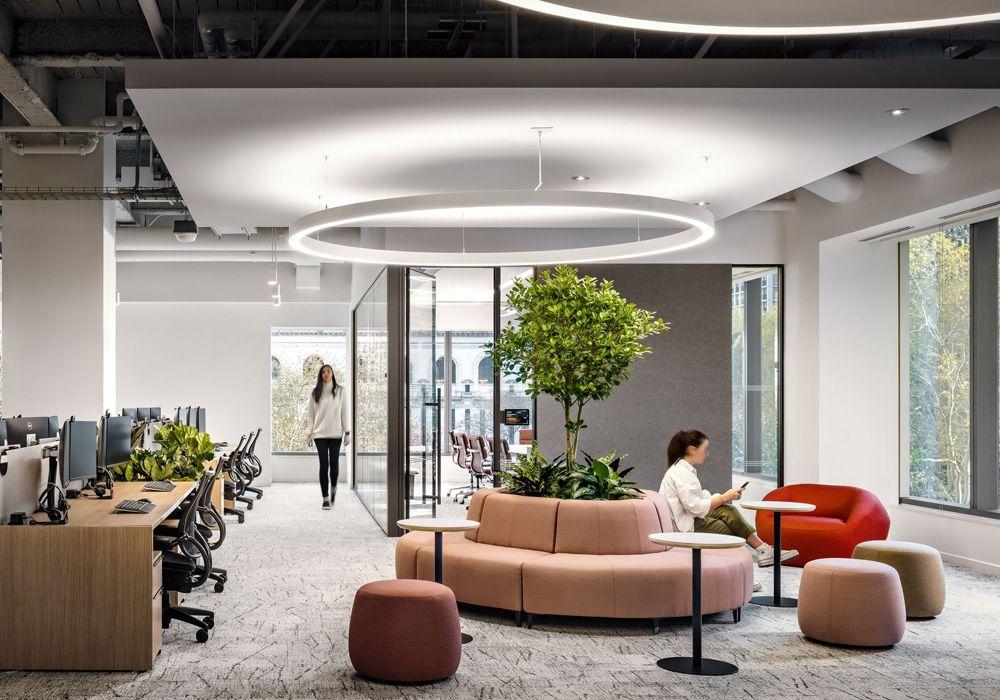
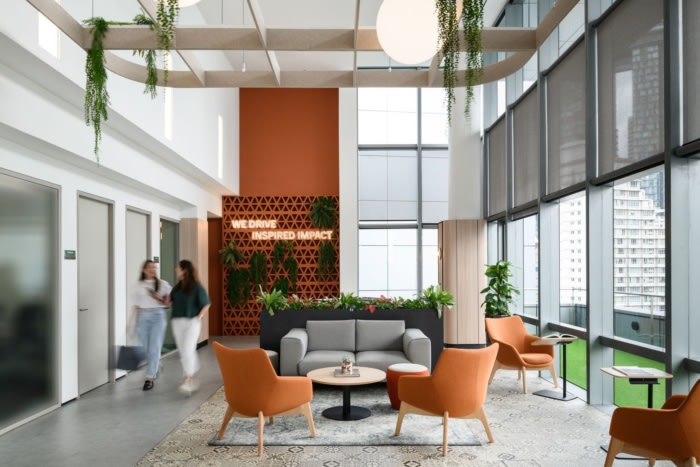
Secondly, the return-to-office movement has gained momentum as organizations recognize that not all functions can be effectively sustained remotely. While full remote employment remains an option in certain industries, hybrid models often require modern, well-designed workspaces rather than traditional office layouts. This shift has led to differentiated demand: older buildings with outdated layouts may see slow occupancy, while newer Grade A buildings with improved sustainability and technological infrastructure are seeing higher interest.
Finally, government-backed infrastructure projects—including transportation upgrades, new business districts, and economic zones—continue to boost the attractiveness of commercial hubs. For instance, the KL city center remains dominant for corporate headquarters, while Cyberjaya continues evolving as a digital and innovation hub.
Key Factors Influencing Investment Potential
To determine whether now is the best time to invest in Malaysian commercial office space, investors must evaluate several market drivers:
- Rental Yield Opportunities
Commercial offices in Malaysia generally offer rental yields that are competitive compared to residential properties. Markets like Kuala Lumpur’s Golden Triangle, Damansara Heights, and Bangsar South often provide stable long-term yields due to strong corporate occupancy. However, secondary office locations may require careful tenant selection to maintain rental income stability. - Capital Appreciation Trends
Office property value growth depends on economic expansion and demand recovery. Although prices have corrected in recent years due to oversupply, investors who acquire strategically located office units now may benefit from appreciation as market conditions stabilize and hybrid work patterns normalize. - Rising Demand in Select Sectors
Certain industries are expanding rapidly, increasing demand for office space. These include:
• Fintech and digital banking
• Shared services and outsourcing centers
• Logistics, e-commerce, and online retail management offices
• Data and research centers
Companies in these sectors require reliable facilities with modern digital infrastructure, energy efficiency, and well-connected transportation access. Deep-tech and AI-driven firms, in particular, are clustering in innovation hubs—many of which secure early funding through programs detailed in our guide on how to secure funding for a deep-tech startup from Singapore government grants, enabling them to establish regional HQs in Malaysia. - Supply and Vacancy Considerations
Although supply has increased significantly over the last decade, demand recovery is uneven. High-quality developments with green certifications are performing better than older buildings. Investors should focus on buildings with strong management, accessible locations, and facilities suited for modern work environments.
Advantages of Investing in the Current Market

There are several strategic advantages to investing now:
- Attractive Entry Pricing: Competition and oversupply in certain districts have created opportunities to secure premium spaces at competitive prices.
- Incentives and Policy Support: Various government programs continue to encourage business relocation and foreign investment, stimulating office demand.
- Expansion of Co-Working Ecosystems: Many companies are adopting flexible workspaces rather than traditional long-term leases, opening opportunities for investors to lease offices to coworking operators.
- Sustainability and Smart Building Trends: Modern green-certified office buildings are gaining higher occupancy and rental resilience, providing long-term asset value.
If chosen carefully, commercial office investments can provide a stable income stream as corporations prioritize business continuity and collaboration spaces.
Challenges and Risks to Consider
Investing in commercial office real estate also comes with risks that must be assessed realistically:
- Oversupply Risk: Certain submarkets, especially in Kuala Lumpur, still have more office spaces than active tenants. Investors must avoid buildings in areas with persistent high vacancy.
- Shifts in Work Culture: Hybrid work is here to stay, reducing the need for large corporate office footprints. Smaller, flexible, and collaborative spaces may be more profitable than large office floors.
- Tenant Stability: The financial health of corporate tenants is essential. Diversifying tenant types and conducting thorough tenant screening helps reduce rental default risk. For instance, pet care startups—now a booming sector as explored in our analysis of investment risks and rewards in the booming Malaysian pet care industry—are increasingly seeking modern office spaces for R&D and customer experience centers.
- Maintenance and Operational Expenses: Office properties require more maintenance and building management compared to residential units, affecting net returns.
Understanding these risks can guide strategic asset selection and leasing strategy.
Who Should Consider Investing Now?
Investors who may benefit most from entering the market at this stage include:
- Long-term investors seeking stable income through corporate tenancy.
- Institutional investors focusing on high-performing business districts.
- Private investors looking to diversify beyond residential real estate.
- Business owners who want to purchase office space for their own operations.
Those with a short-term speculation mindset may find the market less favorable due to slower appreciation cycles.
Long-Term Economic Outlook
The long-term economic outlook supports potential growth in commercial office demand:
- Young and skilled workforce expansion.
- Increasing participation in global trade.
- Continued digital transformation in business operations.
- Strategic regional position promoting corporate expansion.
Agri-tech is another rising tenant category. As detailed in our analysis of venture capital investment trends in Malaysian agri-tech, VC-backed firms are setting up innovation labs and regional offices in Penang and Johor—driving demand for tech-enabled, sustainable office environments.
Even with evolving work trends, the need for professional spaces that promote collaboration, innovation, and brand identity remains essential.
So, Is Now the Best Time to Invest?
The answer depends on strategy. For investors focused on value acquisition, stable rental income, and long-term appreciation, now can be a favorable time to invest in Malaysian commercial office space, particularly in well-connected city centers or emerging business districts. However, success depends on selecting the right building, location, and tenant profile rather than relying on market-wide assumptions.
Cross-border lifestyle trends also play a role. With Malaysians exploring more adventurous activities in southern Thailand, tourism-linked businesses are expanding regional offices in Johor Bahru—further boosting demand for flexible commercial spaces near transport hubs.
Market timing matters — but asset quality and strategy matter more.