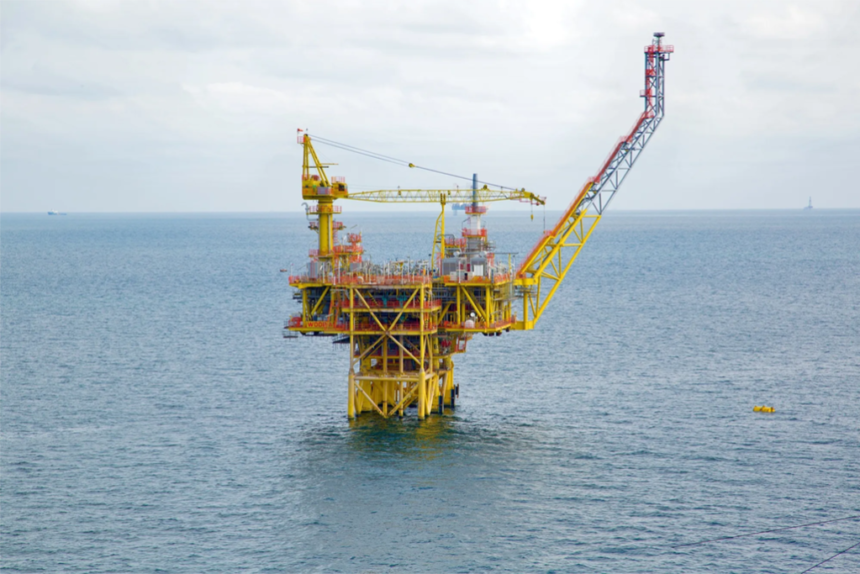
Analyzing Revenue Volatility and Fiscal Sustainability in the Energy Sector
Malaysia remains highly focused on managing the potential decline in petroleum related revenue, which could drop by up to four billion ringgit in 2026 if Brent crude prices stabilize at lower levels. Market analysts suggest that if oil prices ease to between fifty-five and sixty dollars per barrel, the government will face a reduction in direct income, yet recent fiscal reforms are expected to provide a necessary buffer. By addressing these factors early in this analysis, it becomes evident that the nation’s financial health is intrinsically linked to global energy pricing trends and domestic policy adjustments.
MBSB Research has indicated that a five-dollar drop from the government’s initial price assumptions could widen the fiscal deficit by a small percentage of the total gross domestic product. However, the overall impact on public finances is being mitigated by the successful implementation of fuel subsidy rationalization measures for diesel and RON95. These proactive steps have significantly reduced the annual allocation for fuel support, bringing it down to approximately ten to twelve billion ringgit from previous highs.
This strategic shift allows the administration to absorb a softer crude price environment without compromising the long term stability of the national balance sheet, essentially turning potential revenue losses into manageable fiscal adjustments. The transition toward a more market based pricing mechanism for energy has created a structural hedge that protects the treasury during bearish cycles. This evolution represents a fundamental change in the way the federal budget interacts with global commodity markets, fostering a more predictable economic landscape for future growth.
The Role of Subsidy Rationalization in Dampening Oil Price Sensitivity
The structural overhaul of the domestic energy market has fundamentally changed how the country responds to fluctuations in the global petroleum trade and pricing mechanisms. According to industry experts from IPPFA, the current subsidy rationalization framework has materially reduced the sensitivity of the national budget to the movements of international oil prices. When crude prices fall, the government automatically saves on subsidy outlays through a pass-through effect, which helps to smooth fiscal transmission and reduce overall volatility.
This means that while a prolonged period of lower prices might weigh on specific revenue streams, it is increasingly unlikely to undermine the general integrity of public finances. The key benefit of this new economic architecture is that oil price shocks are now considered a second order risk rather than a primary threat to the sovereign balance sheet. By diversifying income sources and reducing the heavy reliance on energy based taxes, the nation has created a more symmetrical fiscal profile that can withstand both bearish and bullish market cycles.
Analysts point out that the government could potentially save billions in subsidy spending if prices hover at the lower end of the forecast range, effectively neutralizing a significant portion of the projected revenue decline. This resilience is a byproduct of painful but necessary reforms that have untethered the domestic economy from the unpredictable swings of the Brent benchmark. As a result, the national credit profile remains robust, attracting international investors who value the administration’s commitment to long term fiscal responsibility and governance reform.
Assessing Geopolitical Risks and Global Supply Chain Disruptions
While a decline in prices poses a specific set of challenges, many economists believe that a sharp and sudden spike in the cost of crude oil remains a much larger fiscal risk for the nation. Escalating tensions in the Middle East could disrupt critical chokepoints like the Strait of Hormuz, which handles more than one-fifth of the world’s seaborne crude trade and significant volumes of petroleum products. Any disruption in this region would likely trigger a sharp rise in the geopolitical risk premium, forcing prices upward and reigniting inflationary pressures across the global economy.
For Malaysia, a sudden surge in prices would lead to a difficult trade off between maintaining affordable energy costs for the public and managing the ballooning costs of the remaining subsidy programs. This scenario is far more concerning than supply issues in other regions because the Middle East accounts for roughly one-third of total global production. Therefore, the current bearish outlook could be materially altered overnight by a shift in regional stability, requiring a sophisticated and adaptive policy response.
The government’s ability to navigate these complex maritime and political landscapes will determine the resilience of its financial planning as it moves toward the 2030 developmental milestones. Maintaining a diverse energy portfolio and strengthening regional diplomatic ties are essential components of this defensive strategy. By preparing for the worst case scenarios in the global supply chain, the nation can better protect its domestic manufacturing base and ensure that the cost of living remains stable even during periods of intense international friction.
Regional Market Dynamics and Professional Analysis of Energy Risk Transmission
From an expert financial analyst perspective, the anticipated reduction in petroleum related income for the 2026 fiscal cycle signals a critical juncture for Malaysia’s regional economic competitiveness. We interpret the 4 billion ringgit potential revenue gap as an acceptable trade off for the vastly improved fiscal transparency achieved through recent RON95 and diesel rationalization. By effectively capping the subsidy liability, the government has created a firewall between global commodity volatility and the domestic primary balance. This structural change shifts the focus from simple revenue collection to sophisticated risk management, which is a hallmark of a maturing emerging market economy.
The regional market impact is particularly significant when considering Malaysia’s position within the ASEAN energy grid. As a net exporter of crude but a significant importer of refined products, the nation has historically occupied a vulnerable position during price spikes. The current bearish trend actually serves as a strategic window for the administration to solidify its subsidy reforms while the cost of living pressure is naturally tempered by lower global prices. This proactive stance provides a comparative advantage over regional peers who remain heavily reliant on blanket subsidies to maintain social stability, as it allows for a more efficient allocation of capital toward high growth sectors like digital infrastructure and green technology.
Furthermore, our analysis indicates that the geopolitical premium remains the primary wildcard for the 2026 outlook. While current projections lean toward a softer price environment, the concentration of production in the Middle East ensures that the risk remains asymmetric. A sudden escalation would not only increase subsidy costs but also raise the cost of equity for local firms due to heightened regional uncertainty. Therefore, the government’s focus on reducing fiscal sensitivity is a vital defensive measure. By treating petroleum revenue as a secondary fiscal risk, Malaysia is better positioned to withstand a supply chain shock that could otherwise devastate its industrial output and consumer sentiment, ensuring long term economic resilience in an increasingly fragmented global landscape.