Strategic Diplomatic Resets And The Leadership Of Modi
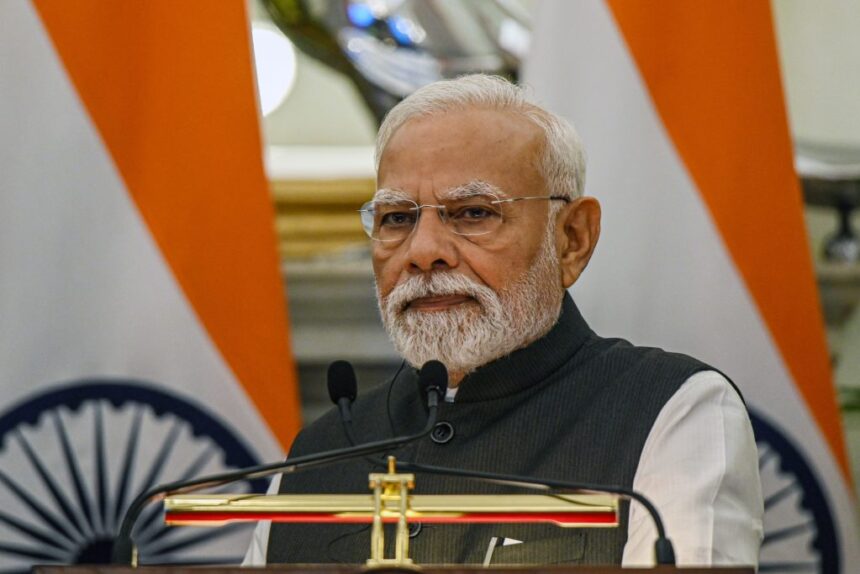
The upcoming visit of Prime Minister Narendra Modi to Malaysia marks a significant milestone in regional diplomacy. This visit follows the historic elevation of bilateral relations to a Comprehensive Strategic Partnership in 2024, an upgrade that was originally announced during Prime Minister Datuk Seri Anwar Ibrahim’s first official trip to New Delhi. By joining the elite ranks of Malaysia’s six primary strategic partners—alongside major powers like China, Australia, and the United States—India is positioning itself as an indispensable economic and security ally in Southeast Asia.
Analysts suggest that the return of the Indian leader to Putrajaya for his first overseas engagement of 2026 reflects a conscious effort to reset and revitalize ties after a period of diplomatic cooling. This high level engagement is expected to focus on the operationalization of existing agreements, moving beyond mere symbolic gestures to create a concrete roadmap for industrial and technological cooperation. The presence of the Indian premier signals a renewed commitment to the Act East policy, ensuring that the two nations can leverage their shared history to build a modern, future oriented economic framework that benefits the entire Global South.
Enhancing Trade Flows And Regional Economic Balancing
A central theme of the discussions between the two administrations involves the deepening of private sector linkages to facilitate greater business engagement and connectivity. As the sixth largest trading partner of the ASEAN block, India plays a constructive role in providing a necessary balance to the regional economic landscape, offering an alternative to the heavy influence of other global superpowers. Experts believe that the current annual bilateral trade value of twenty billion dollars is merely a baseline, with substantial room for growth in sectors such as digital services, renewable energy, and advanced manufacturing.
The administration under Modi is looking to expand cooperation in areas where India can act as a first responder, particularly in disaster management and maritime security, which are critical for the stability of Southeast Asian trade routes. This strategic balancing act is highly valued by regional leaders who prefer to maintain a neutral stance amidst growing geopolitical tensions. By fostering stronger commercial cooperation and increasing two way investments, Malaysia and India are setting the stage for a more integrated regional economy. Increased travel and tourism further complement these economic ties, creating a vibrant exchange of human capital and innovative ideas that drive long term industrial competitiveness.
Global South Leadership And Future Industrial Synergy
Beyond immediate trade figures, the visit underscores a shared ambition to strengthen connectivity and economic collaboration across developing nations, reinforcing the principle of south south cooperation. The move toward a deeper partnership is not just about bilateral gains but also about positioning both countries as leaders in the shifting global order. As Malaysia prepares to take on more significant roles within regional forums, the support of a rising global power like India provides essential leverage in international negotiations.
The focus on high quality capital market development and integrated infrastructure projects is expected to create positive spillover effects for neighboring countries, enhancing the overall resilience of the Southeast Asian supply chain. This evolution in relations marks the culmination of years of diplomatic labor, signaling that both nations are ready to move past previous rows and embrace a collaborative future. The synergy between Malaysia’s industrial goals and India’s growing economic footprint will likely result in a surge of high value investment projects over the next decade. Ultimately, the successful implementation of this strategic partnership will be measured by the ability of both nations to translate high level policy discussions into tangible benefits for their citizens, ensuring a sustainable and competitive trajectory for the regional economy through 2030.
Regional Trade Dynamics And Market Impact
From a professional financial analyst perspective, the visit by Modi serves as a vital macroeconomic catalyst that re rates the strategic importance of the Malaysia India corridor. We interpret the operationalization of the Comprehensive Strategic Partnership as a significant step toward reducing regional dependency on single source supply chains, effectively providing a hedge against external shocks. Historically, the twenty billion dollar trade floor has been dominated by traditional commodities; however, the shift toward a partnership model suggests an imminent diversification into services and technology.
This transition is expected to lower the cost of capital for cross border ventures, as the reduction in diplomatic risk leads to a more stable environment for institutional investors. In the context of the 2026 economic outlook, where ASEAN nations are seeking a diverse range of partners to counter balance major power competition, the strengthening of this tie offers a unique stability premium. The regional market impact of this diplomatic reset extends to the broader valuation of Southeast Asian sovereign debt and currency stability. As India takes on a more active role as a first responder and economic partner, the resulting increase in regional connectivity acts as a multiplier for local productivity.
Our analysis indicates that the synergy between India’s digital public infrastructure and Malaysia’s industrial base could unlock new avenues for fintech and e commerce integration. By fostering a deeper private sector linkage, both nations are facilitating a more efficient allocation of resources across the Global South. This strategic alignment is likely to result in a compression of the risk discount currently applied to emerging market assets in the region. Ultimately, the successful execution of this partnership will secure a more resilient and integrated economic web, ensuring that Malaysia remains a critical node for international trade and a primary destination for high quality global capital in the coming years.