Regulatory Relief Framework For Philippine Nonbank Financial Firms
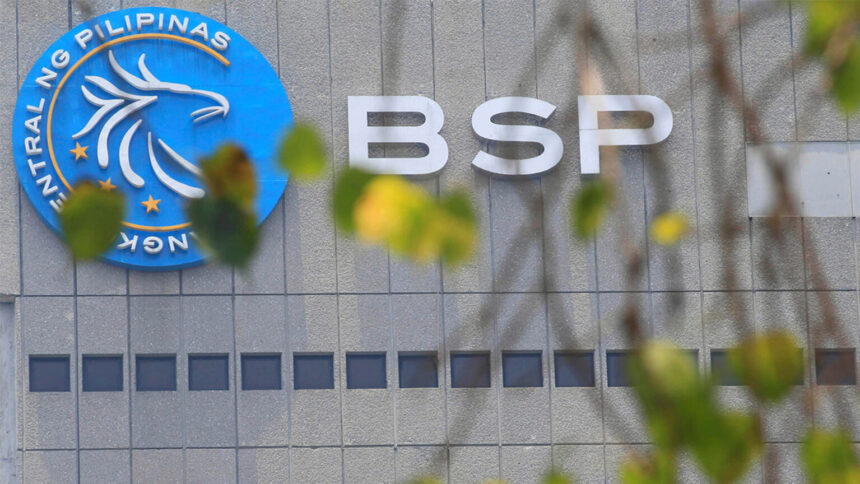
The Bangko Sentral ng Pilipinas is currently developing a comprehensive regulatory relief framework designed to support nonbank financial institutions during periods of intense national disaster. By extending a relief system that was previously reserved primarily for traditional banking entities, the central bank aims to ensure that quasibanks, pawnshops, and money service businesses can maintain their operational integrity while continuing to serve their local communities.
This initiative is particularly critical in a 2026 economic environment where climate volatility frequently disrupts the physical and digital infrastructure of the financial sector. The proposed regulatory measures provide a structured path for these institutions to bounce back more quickly, allowing them to support their borrowers through extended grace periods and flexible repayment schedules. Stakeholders across the industry have been given until April 10 to provide their formal comments on the draft circular.
This represents a significant shift toward a more inclusive and resilient financial oversight model. By recognizing the unique role that nonbank firms play in providing liquidity to underserved populations, the BSP is strengthening the overall stability of the national economy. These institutions, including trust corporations and nonstock savings associations, are often the first line of financial defense for individuals in calamity-affected areas, making their survival essential for post-disaster recovery.
Operational Flexibility And Debt Restructuring Under Calamity Conditions
One of the most impactful features of the new regulatory plan is the increased flexibility granted to financial companies in extending assistance to their own officers and employees. Under normal circumstances, the deadline for post-approval of loans to affected staff is quite rigid, but the new framework proposes extending this window from 30 to a much more manageable 90 calendar days.
Furthermore, nonbank financial companies would be permitted to grant borrowers in impacted regions a grace period of up to six months for loan repayments. Crucially, this deferment would be free from the burden of interest-on-interest or additional penalties, providing genuine relief to those struggling with the immediate aftermath of a disaster. For agricultural loans, which are highly sensitive to production cycles, the payment deferral could extend from 6 to 12 months.
This regulatory approach ensures that the financial industry does not inadvertently penalize borrowers for circumstances beyond their control. Regulated firms may also waive certain documentary requirements for loan restructuring, provided they maintain strict internal controls and observe best practices for risk management. These adjustments are designed to prevent temporary payment difficulties from distorting an institution’s financial health indicators.
Asset Impairment And Client Access In Disaster Scenarios
The long-term fiscal health of nonbank institutions is further protected by provisions that allow for the gradual booking of allowances for credit losses and the impairment of damaged physical assets. Instead of a sudden hit to the balance sheet, these costs may be spread over a maximum of three years, subject to explicit regulatory approval from the Bangko Sentral ng Pilipinas.
This accounting flexibility is vital for maintaining the capital adequacy of smaller firms that may have significant physical footprints in high-risk coastal or volcanic regions. Additionally, the framework addresses the practical challenges of identity verification in the wake of a calamity. Nonbank financial institutions may temporarily relax identification requirements for clients who have lost their official documents due to a disaster.
This holistic strategy acknowledges that the recovery of a financial institution is deeply intertwined with the recovery of its client base and its physical infrastructure. We analyze that this move will likely encourage greater investment in regional financial services, as the downside risk of natural disasters is partially mitigated by these supportive central bank policies. As the industry moves toward final adoption of these rules, the focus remains on balancing immediate humanitarian needs.
Macro-Financial Stability And Regional Market Implications
From an expert B.I.F.E. perspective, the move by the Bangko Sentral ng Pilipinas to harmonize disaster relief for the nonbank sector signifies a proactive shift toward systemic financial inclusivity within the ASEAN region. We analyze that by cushioning the balance sheets of pawnshops and quasibanks, the central bank is effectively preventing a localized credit crunch that often follows natural calamities in the Philippines. This strategy protects the velocity of money in rural and provincial markets where traditional banking penetration remains relatively low.
The staggered booking of losses over a three-year period is a masterstroke in regulatory accounting, as it prevents a sudden surge in non-performing loan ratios from triggering a loss of investor confidence in the broader Philippine financial markets. We project that this framework will serve as a blueprint for neighboring economies like Indonesia and Vietnam, which face similar geographic and climate-related risks. The synergy between regulatory forbearance and social welfare is becoming a defining characteristic of Southeast Asian central banking in 2026.
Furthermore, the relaxation of identification requirements and documentary evidence for loan restructuring will likely accelerate the digitalization of the nonbank sector. As firms are forced to implement robust internal controls to manage these temporary waivers, they are simultaneously building the data infrastructure necessary for long-term financial modernization. This regulatory pivot not only addresses immediate disaster recovery but also strengthens the secondary financial market against future volatility. We anticipate that this policy will bolster the Philippines’ sovereign credit profile by demonstrating a high level of institutional preparedness and fiscal resilience.