Coordinated Energy Strategy For Peak Demand Management
The operational landscape for national energy security is entering a critical phase as EVN implements comprehensive measures to stabilize the power supply during the upcoming 2026 dry season. This period is historically challenging due to the convergence of intense heatwaves and a significant uptick in industrial activity which historically strains the grid capacity. The second quarter is forecasted to be the most demanding period of the year, driven by a surge in household cooling needs and the rising requirements of high tech sectors such as artificial intelligence and digital transformation.
As the primary utility provider, EVN is focusing on a multi-pronged approach that includes securing adequate fuel stocks for thermal plants and ensuring that all generation units are operating at maximum efficiency. This strategy also involves a heavy reliance on flexible reservoir management for hydropower assets to balance the competing needs of agricultural irrigation and electricity generation. By coordinating closely with meteorological experts, the group aims to optimize water usage across all major basins to prevent shortages during the hottest months.
The commitment to maintaining system reliability is paramount, as any disruption could have ripple effects across the burgeoning manufacturing hubs of northern Vietnam. Consequently, the maintenance schedules for aging infrastructure have been accelerated to ensure that the entire energy system remains resilient against the predicted peak loads. The utility is also emphasizing the importance of grid discipline among industrial users to ensure that the load remains within manageable limits during the highest temperature spikes.
Infrastructure Development And Technological Integration Efforts
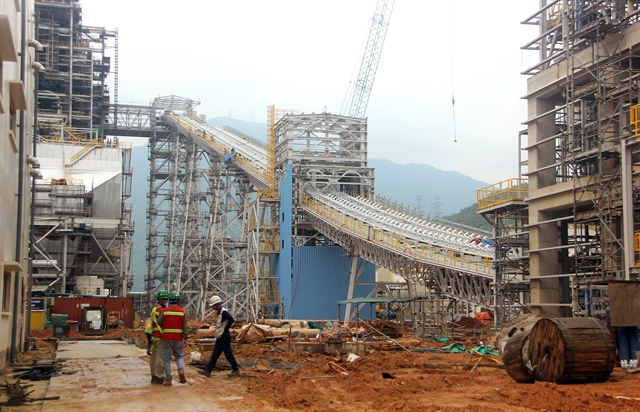
To address long term stability, EVN is prioritizing the rapid acceleration of key power projects and the integration of modern storage technologies across the national transmission network. A significant milestone is expected in April 2026 with the synchronization of the first unit at the Quảng Trạch 1 thermal power plant, which is slated for full commercial operations by the following month. This new capacity is vital for reinforcing the base load, especially as the National Power Transmission Corporation works to install advanced battery energy storage systems (BESS).
These technological upgrades are specifically targeted at the northern region to mitigate voltage fluctuations and improve overall grid safety during high consumption hours. Furthermore, the scheduled groundbreaking of the Quảng Trạch 2 LNG project in the second quarter signifies a strategic shift toward cleaner fuel sources in the national energy mix. The ongoing efforts by EVN to finalize procedures for additional hydropower expansions and pumped-storage facilities demonstrate a holistic vision for a diversified and sustainable power portfolio.
These infrastructure developments are complemented by critical transmission line projects, including the 500kV and 220kV connections linking Nho Quan and Thường Tín, which are essential for serving the increased demand in urban centers. The completion of these links ahead of major international summits like APEC underscores the urgency and importance of the current expansion phase. This transmission backbone is designed to handle the bidirectional flow of power more effectively, reducing the likelihood of regional blackouts.
Macro-Financial Analysis Of National Energy Production
The reported 6.6% year on year increase in total electricity production and imports during the first quarter reflects a robust recovery in domestic economic productivity. We analyze that the current reliance on coal-fired power, which accounts for 52.8% of the total output, serves as a necessary but transitional pillar for energy security while renewable sources continue to scale. The data provided by EVN indicates that hydropower and renewables combined now contribute over 36% of the national energy requirements.
This showcases a gradual but steady move toward decarbonization within the industrial sector. However, the 3.8% reliance on power imports highlights the persistent need for localized generation capacity to protect the economy from global energy price volatility and supply chain disruptions. We observe that the proactive load adjustment programs and energy saving initiatives promoted by the utility are critical for managing the peak evening demand when the system is most vulnerable to frequency drops.
For institutional investors and industrial stakeholders, the transparency of the 2026 dry season supply plan provides a level of predictability that is essential for long term capital allocation. We anticipate that as the Trị An hydropower expansion and other pumped storage projects come online, the flexibility of the national grid will improve significantly, allowing for better integration of intermittent wind and solar power. Ultimately, the successful management of the 2026 energy peak will be a testament to the technical expertise of the utility in navigating an increasingly complex global landscape.
Strategic Analysis Of Regional Grid Reliability And Fiscal Implications
The aggressive deployment of battery energy storage systems and reactive power compensation modules by EVN marks a sophisticated evolution in Southeast Asian grid management, specifically targeting the volatility inherent in high growth industrial corridors. We analyze that these technical interventions are essential for safeguarding the high value manufacturing output of the northern provinces, which are increasingly sensitive to power quality issues. The strategic synchronization of Quảng Trạch 1 in mid 2026 provides a critical fiscal cushion, reducing the reliance on expensive short term energy imports and spot market purchases during peak demand.
We observe that the current energy emergency framework serves as a vital stress test for Vietnam Power Development Plan VIII, highlighting the necessity of balancing rapid industrialization with a resilient transmission backbone. The integration of LNG infrastructure further diversifies the national fuel mix, providing a more stable hedge against the hydrological unpredictability that often impacts the southern hydropower clusters during prolonged dry seasons. The successful stabilization of the grid during this peak period will likely enhance the sovereign credit profile by demonstrating operational maturity in managing core infrastructure.
Furthermore, the fiscal burden of maintaining high coal reserves must be balanced against the long term savings generated by improved grid efficiency and reduced transmission losses. We anticipate that the completion of the 500kV transmission projects will create a more unified national energy market, allowing for the efficient transfer of surplus renewable energy from the south to the energy hungry north. Ultimately, the resilience of the energy sector in 2026 will serve as a primary indicator of national competitiveness, ensuring that the archipelago remains a preferred destination for high tech foreign direct investment.