Integrating Agriculture Through The Free Nutritious Meal Program
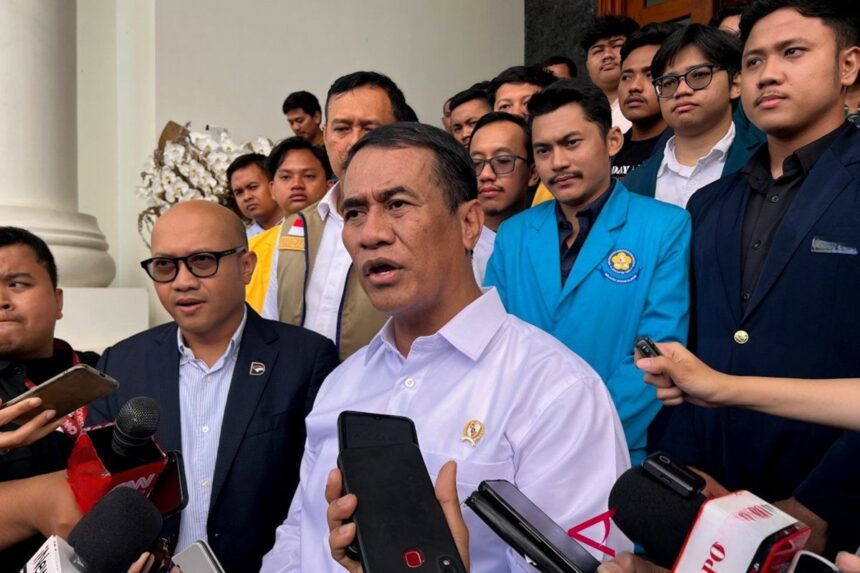
The Minister of Agriculture recently highlighted that the Free Nutritious Meal program has successfully transformed into a primary offtaker for the agricultural output of approximately 165 million farmers nationwide. This strategic initiative serves as a bridge between rural production and public health, ensuring that the hard work of Indonesian farmers is met with guaranteed market demand. By linking local harvests directly to large scale consumption needs, the government is creating a unified agricultural ecosystem where supply and demand are perfectly synchronized to prevent waste.
The Minister emphasized that this effort should not be viewed as an isolated social welfare project but rather as a fundamental shift in how the nation manages its food security and economic stability. As a flagship program under President Prabowo Subianto, it provides essential market certainty that protects producers from the volatility of price fluctuations and the risks of oversupply. When farmers have a reliable buyer, they are more likely to invest in better seeds and sustainable techniques, leading to a long term improvement in the quality of the national food supply.
This systematic approach ensures that agricultural products are absorbed at fair prices, which directly translates into higher incomes for rural households and a more robust domestic economy. The integration of these activities into a single chain effectively reduces the influence of predatory middlemen, allowing more value to remain within the farming communities that are the backbone of the country. By focusing on these foundational pillars, the government has managed to create a sense of optimism among business leaders and international observers alike.
Economic Circulation And Rural Prosperity Gains
In addition to stabilizing the agricultural sector, the implementation of the Free Nutritious Meal initiative is driving a powerful wave of economic circulation within villages across the archipelago. Because the production, distribution, and consumption activities are all integrated within a local framework, the financial benefits of the program tend to stay within the community where the food is grown. This creates a healthy multiplier effect where local markets thrive as small scale vendors and logistics providers find new opportunities to support the supply chain.
The Minister noted that this program acts as a catalyst for rural development, turning quiet villages into active hubs of commercial activity that serve both local and national interests. Furthermore, the Free Nutritious Meal framework targets specific vulnerable groups, including schoolchildren and pregnant women, to ensure that the nutritional foundation of the next generation is secure. Providing high quality and competitive human resources is a long term goal that begins with proper dietary intake at the most critical stages of physical and mental development.
By sourcing these meals from local farmers, the government is simultaneously fighting malnutrition and rural poverty, creating a dual benefit that addresses two of the nation’s most pressing challenges. Younger generations who receive these balanced meals are expected to become healthier, smarter, and more productive contributors to the economy in the future. This holistic strategy reflects a deep understanding of how physical health and economic vitality are inextricably linked in a developing nation like Indonesia, where human capital is the most valuable resource.
Building Human Capital And Future National Resilience
The long term vision for the Free Nutritious Meal program extends far beyond immediate food distribution, as it is designed to build a superior level of human capital for a competitive global future. When children receive proper nutrition through the Free Nutritious Meal scheme, their cognitive abilities and physical growth are significantly enhanced, preparing them to take on leadership roles in the coming decades. This investment in the youth is matched by the immediate boost to the agricultural sector, which remains the primary source of livelihood for millions of families.
The Minister remarked that the thriving markets and increased productivity in rural areas are direct indicators of the program’s success in reaching the grassroots level. As the economy circulates more freely in the villages, the overall quality of life for the people improves, fostering a sense of national pride and social stability. The coordination between the National Food Agency and local farmer groups ensures that the delivery of these meals is efficient and tailored to the seasonal availability of various crops, which keeps the program cost effective.
Ultimately, the success of this initiative will be measured by the increased smartness and health of the population alongside the rising prosperity of the 165 million farmers involved. By maintaining this momentum, the government is setting a new standard for how social programs can be leveraged to drive structural economic reform and sustainable growth across all levels of society. The program creates a diverse diet that includes a wide variety of proteins, grains, and vegetables, which further stimulates the growth of varied agricultural sub-sectors beyond just staple rice production.
Macro-Agricultural Market Impact And Fiscal Efficiency Analysis
From an institutional investment and fiscal analysis perspective, the Free Nutritious Meal program represents a sophisticated shift toward demand-side agricultural economics. By institutionalizing a state-led offtaker model, the government is effectively de-risking the smallholder farming sector, which has historically suffered from high credit risk due to income volatility. This transition allows for a more accurate valuation of rural land assets and encourages the formalization of agricultural credit markets. When 165 million farmers have access to a stable revenue stream, the systemic risk of rural debt defaults decreases, potentially leading to lower interest rates for agricultural micro-loans and a subsequent surge in regional mechanization.
The local market impact is further intensified by the decentralization of procurement, which necessitates a rapid expansion of cold-chain logistics and specialized food processing facilities in Tier 3 and Tier 4 cities. This infrastructure requirement acts as a massive fiscal multiplier, drawing in private equity and venture capital into the domestic agritech space to solve last-mile delivery challenges. As these facilities are built, the intrinsic value of regional industrial zones rises, creating a more balanced distribution of capital away from the Jakarta metropolitan area. This geographic diversification of industrial assets is critical for national economic resilience against localized weather events or supply chain disruptions.
Furthermore, the long-term impact on the sovereign credit profile is significant, as the program addresses the structural issue of stunting and cognitive development. By improving the nutritional baseline of the labor force, the government is essentially lowering future healthcare liabilities while increasing the potential for labor productivity gains. For global analysts, this indicates a move toward a more sustainable and self-reliant growth model that prioritizes internal consumption over unpredictable export markets. The successful integration of these social and economic goals signals a new era of fiscal transparency and strategic planning that could significantly re-rate Indonesia’s standing in the global emerging market index.