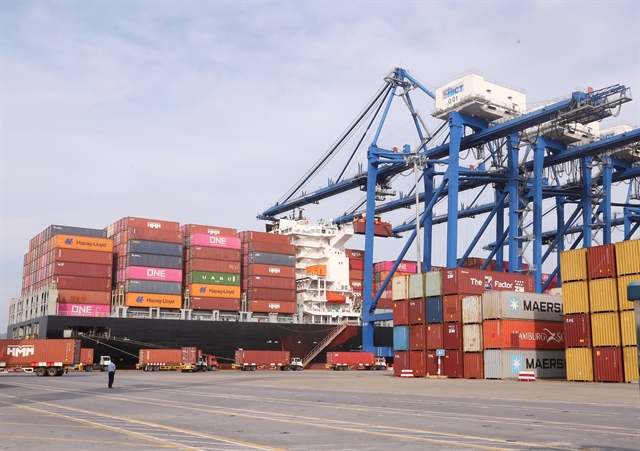
Strategic Development Of High Tech Industry In Hải Phòng
The northern port city of Hải Phòng is entering a new era of industrial excellence following the official approval of a specialized economic zone spanning five thousand three hundred hectares. Deputy Prime Minister Trần Hồng Hà signed the decisive mandate on February 13, marking a critical milestone for the regional economy and the broader Red River Delta infrastructure network.
This ambitious project is strategically located across six specific communes, including Thượng Hồng, Nguyễn Lương Bằng, and Hải Hưng, providing a massive geographical footprint for high-tech innovation and sustainable manufacturing. The city of Hải Phòng already possesses a formidable industrial foundation, but this new specialized zone is designed to target environmentally friendly industries that align with modern global standards.
By prioritizing innovation and high-value services, the government aims to transform the port city into a central hub for international trade and technological advancement. This development is not merely about physical expansion but about creating a sophisticated ecosystem where industrial development, trade services, and logistics centers can thrive in a synchronized manner.
Functional Integration And Regional Connectivity Goals
The architectural and operational design of the newly formed zone incorporates a diverse range of functional areas intended to maximize the existing strengths of the Hải Phòng logistics sector. Within its borders, investors will find dedicated spaces for non-tariff operations, logistics services, and a comprehensive innovation center designed to foster homegrown technological breakthroughs.
These facilities are expected to significantly enhance economic and trade connectivity not only within the city but also with neighboring localities and lucrative international markets. The government has set rigorous performance targets for the project, expecting the zone to contribute between three and four percent of the gross regional domestic product for the city by the year 2030.
In the subsequent years, this contribution is projected to exceed five percent, effectively making the zone a primary growth engine for the entire northern region. This strategic focus on logistics and innovation ensures that the city can handle the increasing complexities of global supply chains while attracting top-tier multinational corporations.
Synergy Within The Existing Industrial Network
The introduction of the specialized economic zone adds a powerful new layer to the already impressive industrial landscape of Hải Phòng, which currently manages several large-scale development areas. With the existing Đình Vũ Cát Hải and Nam Hải Phòng economic zones already covering tens of thousands of hectares, the addition of this high-tech focused territory creates a unique synergy across the city’s manufacturing portfolio.
Furthermore, the network of forty-three industrial parks and the recently founded free trade zone provide a comprehensive range of options for businesses at various stages of their supply chain. This vast industrial footprint allows the city to offer specialized environments for everything from heavy manufacturing to refined digital services and high-end research.
The collaborative potential between these different zones is expected to drive a significant increase in foreign direct investment, as companies can leverage the diverse infrastructure available within a single metropolitan area. As the city continues to refine its role as a maritime and industrial powerhouse, the emphasis on high-tech and eco-friendly sectors will ensure long-term sustainability.
In-Depth Analysis Of Local And Regional Market Impacts
The approval of the Hải Phòng Specialised Economic Zone represents a fundamental shift in Vietnam’s northern industrial strategy, moving away from labor-intensive manufacturing toward a high-tech, service-oriented model. From a professional financial analyst’s perspective, this project is a direct response to the global supply chain diversification trend, positioning the city as a primary alternative to regional manufacturing hubs.
The targeted contribution of five percent to the city’s gross regional domestic product by 2030 is an ambitious yet attainable goal, provided that the innovation centers successfully attract high-value research and development activities. We observe that the integration of a non-tariff zone and a logistics center within a high-tech environment creates a powerful vertical supply chain that minimizes friction for export-oriented firms.
This regional development is likely to trigger a significant appreciation in industrial land values across the northern provinces, particularly in areas connecting the port city to the capital. Furthermore, the emphasis on environmentally friendly industries suggests a strategic alignment with the European Union’s carbon border adjustment mechanisms, making the city a preferred destination for European investors seeking green manufacturing footprints.
The synergy between this new zone and the existing forty-three industrial parks will likely lead to a consolidation of the supply chain, where specialized components are produced in the industrial parks and assembled or processed within the specialized zone for export. This creates a high-density industrial cluster that benefits from shared infrastructure and a specialized workforce.
We anticipate that the city’s role as a growth engine for the Red River Delta will be further solidified as it attracts higher-tier service industries, such as maritime finance and international logistics management. Ultimately, the success of this economic zone will depend on the government’s ability to maintain a stable regulatory environment and provide the necessary digital infrastructure to support the innovation center’s goals.
By securing this high-tech anchor, the city is not just expanding its borders but is fundamentally upgrading its position in the global value chain. The establishment of the specialized economic zone serves as a catalyst for a broader regional transformation, where Hải Phòng acts as the technological gateway for the entire northern Vietnam economic corridor, ensuring long-term competitiveness in an increasingly digital global economy.