Strategic Initiatives For Enhancing Cruise Tourism Value In Penang
The state of Penang is actively refining its approach to cruise tourism by shifting the strategic focus from mere arrival numbers to high-value economic contributions and quality onshore engagement. This transition is being supported by the recent expansion of the International and Charter Flight Matching Grant to the maritime sector.
This move is intended to maximize the financial spillover effects for local communities and businesses. State Tourism and Creative Economy Committee chairman Wong Hon Wai has emphasized that the goal is to create a seamless integration between international cruise operators and the local heritage landscape.
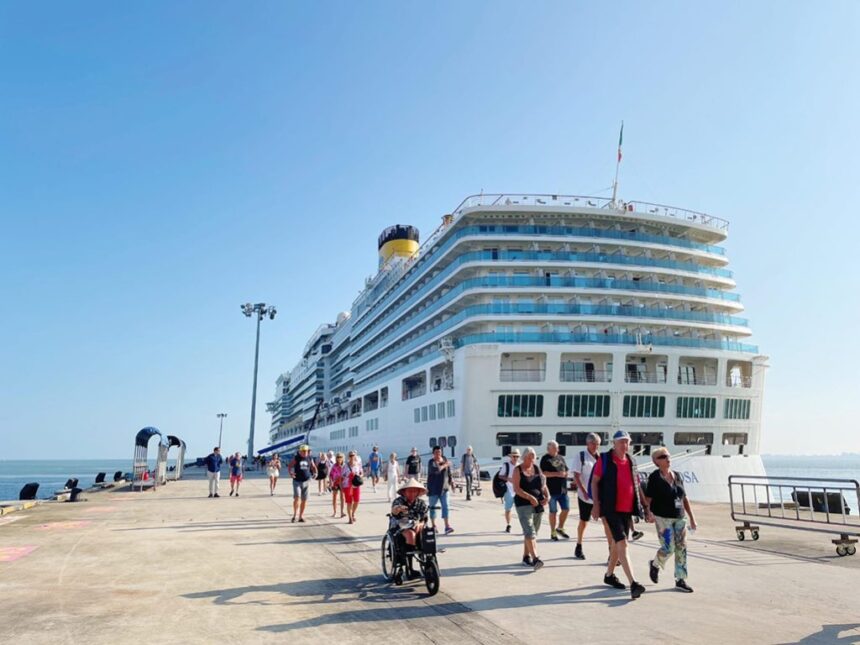
By strengthening tour packages that feature the state’s world-renowned cultural products and gastronomy, the administration aims to ensure that the economic benefits reach the grassroots level. Unlike traditional travelers, those arriving via sea routes often have limited time windows for exploration.
This necessitates a highly efficient and attractive onshore experience to capture immediate interest. To address this, the state has already invested in redeveloping key historical sites and upgrading infrastructure near the main terminals. These improvements are designed to capture the interest of passengers.
The focus remains on increasing the duration of time spent on land and the average level of spending per visitor. This ensures a healthy return on investment for the state’s tourism infrastructure while promoting long term sustainability for the local economy and its heritage assets.
Integrating Local Small Businesses Into The Maritime Value Chain
A central component of the state’s long-term vision involves the deliberate inclusion of small and medium enterprises within the broader service delivery framework of the industry. The government is encouraging international liners and tour operators to utilize licensed local guides and community transport.
This strategy is expected to deliver tangible returns to the people of Penang by distributing wealth across a wider array of local service providers. Collaborative efforts with the Penang Port Commission and the Swettenham Pier Cruise Terminal are already underway to facilitate application processes.
These engagement sessions are vital for promoting the state as a premier port of call in the Southeast Asian region. Operational efficiency remains a top priority, with ongoing improvements to passenger flow and transport connectivity to ensure that the transition from sea to land is as smooth as possible.
By providing a comfortable and well-organized environment, Penang can better compete with other regional hubs for the attention of high-income cruise passengers. The focus on middle-to-high-income demographics is expected to yield higher per-capita spending, which directly supports the preservation of heritage sites.
This approach ensures that the cruise industry does not exist as an isolated island of luxury but rather as a catalyst for local entrepreneurship. By integrating traditional food operators and small traders, the state creates a vibrant ecosystem that rewards authentic local craft and service excellence.
Gastronomic Authenticity And Future Economic Projections For 2026
As the nation prepares for Visit Malaysia 2026, the commitment to maintaining the authenticity of local food identity has become a primary marketing pillar for attracting international visitors. The state government remains dedicated to ensuring that the gastronomic experiences reflect genuine heritage and recipes.
By prioritizing local traders and heritage food specialists, the administration is protecting the state’s cultural intellectual property while providing a high-quality product for the global market. The target for 2026 is to secure a significant share of the regional market through a diverse range of products.
The expansion of matching grants to include the maritime sector represents a strategic shift in national policy. It acknowledges the significant potential of the sea-based travel industry to complement existing air routes and build a more resilient economy that can withstand global fluctuations in travel.
The synergy between government incentives, private sector investment, and community participation is expected to create a virtuous cycle of growth. Ultimately, the goal is to establish the region as a global benchmark for sustainable and high-value maritime travel, ensuring long term prosperity.
Through these combined efforts, the state is positioning itself to handle large scale cruise vessels while maintaining its unique cultural charm. This balance is critical for ensuring that the influx of international tourists enhances rather than dilutes the authentic character of the local heritage.
Regional Market Impact And Maritime Economic Resilience Analysis
From a professional financial and analytical perspective, the shift toward a value-driven maritime strategy is a sophisticated response to the evolving dynamics of the Southeast Asian travel market. We observe that as regional competition intensifies, the ability to offer a differentiated onshore product is critical.
The expansion of the matching grant system acts as a powerful fiscal catalyst, reducing the barrier to entry for international operators considering new regional routes. This policy move effectively lowers the operational risk for cruise lines, encouraging them to commit to longer term schedules and larger deployments.
Furthermore, the focus on onshore participation rates rather than gross arrival numbers demonstrates a data-driven approach to macroeconomic management. By tracking spend per head, the state can better calculate the true economic multiplier effect of the industry on the local gross domestic product.
This prevents the over tourism symptoms seen in other global ports where high volumes of visitors provide minimal economic benefit. The strategic investment in heritage infrastructure also serves a dual purpose by enhancing the visitor experience while simultaneously preserving the state’s UNESCO World Heritage status.
Moreover, the emphasis on SME integration within the value chain is a vital social economic hedge. By ensuring that services are provided by the local community, the state builds a localized support base for the industry, ensuring greater political and social stability across the maritime sector.
Analysts predict that as the 2026 campaign approaches, the synergy between air and sea matching grants will create a multi-modal gateway effect. Travelers arriving by air may depart or transit via luxury vessels, maximizing the capacity of the Swettenham Pier Cruise Terminal and justifying capital expenditures.
The current trajectory suggests that the region is successfully transitioning from a passive port of call to an active destination manager. This proactive governance, combined with a focus on high yield demographics, positions the state as a leader in sustainable and high value maritime tourism.
In summary, the long term impact will likely be seen in increased foreign exchange earnings and a more robust domestic service sector. This solidifies the region’s reputation as a premier destination that can effectively leverage its cultural heritage to drive modern economic growth and maritime excellence.