Capitalargo.com – Understanding consumer behavior in the beauty sector has always been linked to cultural values, evolving lifestyle preferences, and the rapid exchange of global trends. In the last decade, Southeast Asia has emerged as one of the fastest-growing regions in the global beauty market. The rising purchasing power of younger consumers, increased digital exposure, and stronger self-expression culture have encouraged people to seek products that align with personal identity and wellness. With the growing demand for self-care, brands are now driven to innovate and personalize their offerings.
The search for the next big trend in Southeast Asian beauty and skincare products is not only about identifying what is popular today, but also recognizing the cultural and psychological motivations of consumers. Beauty in the region is deeply connected to heritage, natural remedies, climate needs, and the influence of social media. Because Southeast Asia has a diverse climate—humid, tropical, and often urban—products that address sensitive skin, pollution, sweat, and hydration remain in high demand. However, these needs are continuously evolving as new global influences enter the market.
This article provides an in-depth look into what could potentially define the future of beauty and skincare across Southeast Asia. By examining current shifts, consumer motivations, ingredient innovation, and industry behavior, we can better understand how brands can position themselves effectively.
The Growing Focus on Skin Health Instead of Surface-Level Beauty
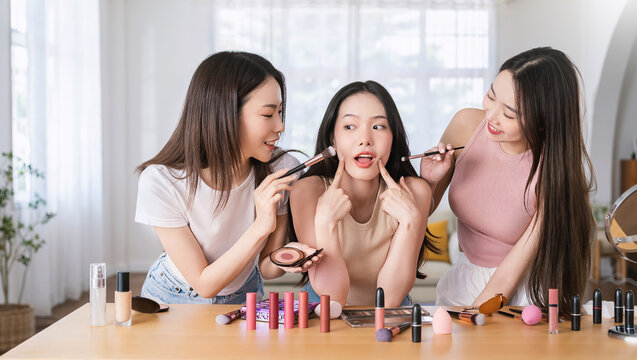
The next big trend in Southeast Asian beauty and skincare products is increasingly centered on the concept of skin health rather than merely enhancing appearance. Younger consumers, especially Gen Z and young millennials, are more aware of long-term skincare benefits. They actively research product ingredients, understand skin biology, and avoid solutions that offer only temporary improvement.
The focus on healthier skin is influenced by:
- Increased access to dermatological education via social media.
- Rising awareness of environmental stressors such as UV rays, humidity, pollution, and harsh heat.
- A shift toward self-care routines linked to mental well-being.
Consumers are now looking for products that:
- Strengthen the skin barrier.
- Reduce inflammation and sensitivity.
- Maintain hydration.
- Support the microbiome.
- Avoid harsh or synthetic chemicals when possible.
This marks a transition away from heavy makeup looks toward minimalist skincare routines that prioritize nourishment and long-term resilience.
Natural Ingredients Rooted in Local Culture
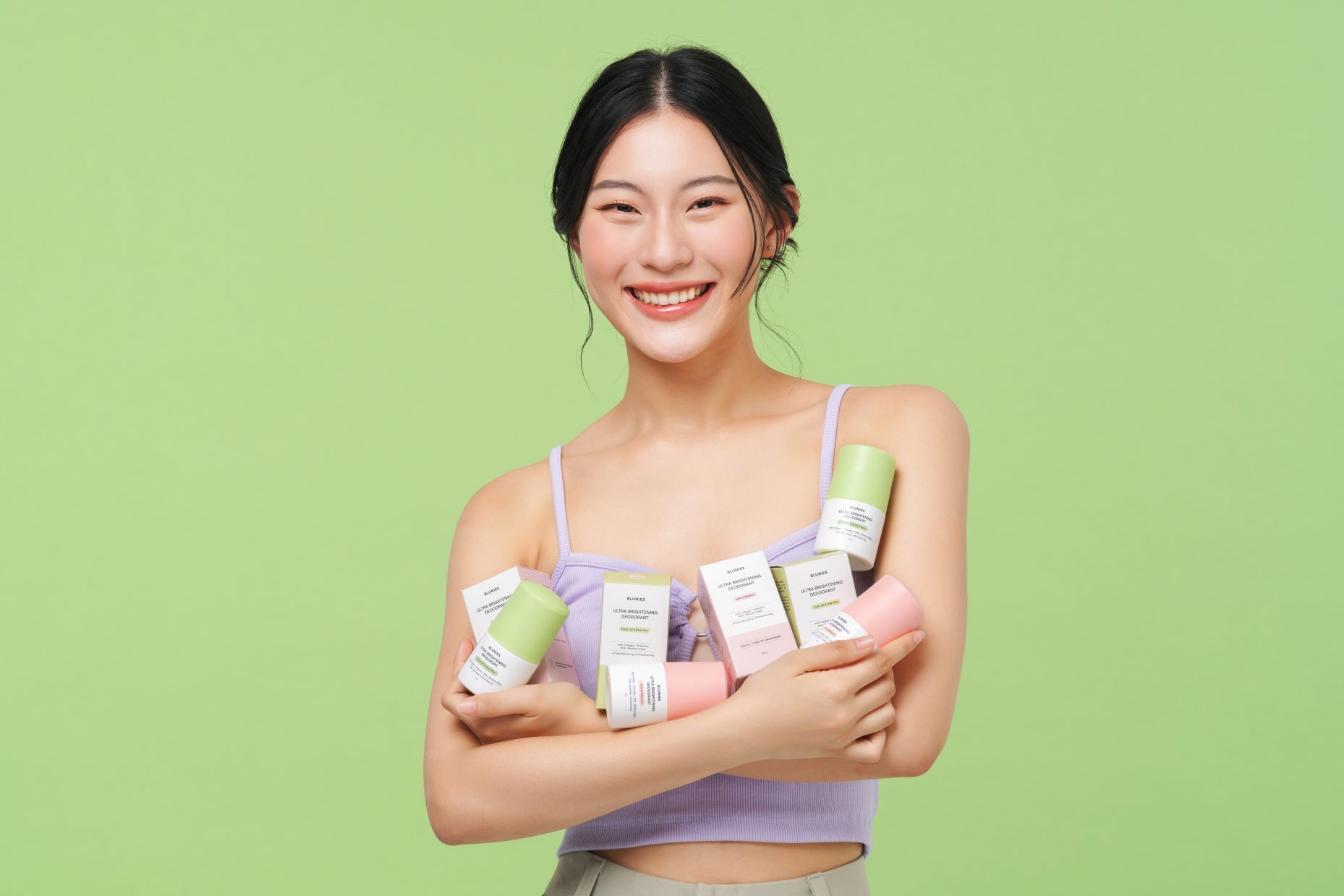

One of the strongest forces shaping the next big trend in Southeast Asian beauty and skincare products is the rediscovery of traditional herbs and plant-based remedies. Across the region, communities have long relied on natural wellness ingredients derived from their environment.
Some examples of traditional ingredients now being reintroduced into modern formulations include:
- Centella asiatica (Gotu kola) – widely used in Indonesia and Thailand for healing and calming the skin.
- Turmeric – used in the Philippines, Malaysia, and Indonesia for anti-inflammatory benefits.
- Rice water extract – present in multiple Southeast Asian beauty rituals for brightening and smoothening.
- Coconut oil and coconut-derived compounds – deeply rooted in Filipino skincare traditions.
- Tamarind extracts – used in Thailand for exfoliation and skin clarity.
Brands are taking these ingredients and transforming them into refined and modern formulations that align with current scientific standards. Consumers feel a sense of cultural pride while gaining trust in local knowledge.
The Integration of K-Beauty and J-Beauty Innovations
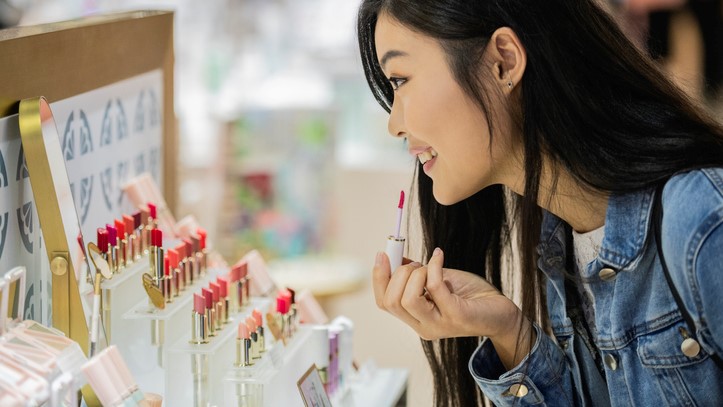

While Southeast Asia has its own history of beauty rituals, there is no denying the influence of Korean and Japanese skincare on the region. The next big trend in Southeast Asian beauty and skincare products merges local ingredient heritage with the advanced scientific innovations popularized in K-beauty and J-beauty.
Key influences include:
- Layered hydrating skincare routines inspired by Korean methods.
- Soft, natural aesthetic influenced by minimal Japanese beauty.
- Multi-step routines simplified into fewer multifunctional products for tropical climates.
- Advanced formulations such as fermented extracts, snail mucin, hyaluronic acid complexes, and peptides.
This merging of ancient regional ingredients with modern East Asian skincare science allows Southeast Asian brands to distinguish themselves in global markets while staying relatable at home.
The Rise of Beauty with Purpose: Sustainability and Ethical Values
Sustainability is becoming non-negotiable for many consumers. The next big trend in Southeast Asian beauty and skincare products involves brands that demonstrate environmental and ethical responsibility.
Consumers now ask questions such as:
- Is the product cruelty-free?
- Are the packaging materials recyclable or biodegradable?
- Does the brand support local farmers or fair-trade supply chains?
- Are harmful chemicals or microplastics avoided?
More consumers are willing to pay slightly more for beauty products that align with sustainability. They prefer brands with transparency in sourcing, eco-friendly philosophies, and ethical labor practices. This growing demand for responsible production is mirrored in the capital markets, where green financing instruments are gaining traction. For a deeper dive, see our report on the surge in green bonds across Southeast Asia, which highlights how sustainable funding is fueling eco-conscious beauty and wellness brands.
This trend is expected to continue growing, particularly among younger demographics.
Personalized Skincare Solutions with Digital Integration
Another major shift influencing the next big trend in Southeast Asian beauty and skincare products is digital personalization. Consumers no longer want generic products; they want formulas made for their exact skin type and lifestyle.
Trends include:
- AI-powered skin diagnosis tools.
- Online consultations with dermatologists.
- Custom-blended serums.
- Skincare quizzes to determine personalized routines.
- Data-based ingredient recommendation apps.
This digital integration allows consumers to feel more control over their skincare choices and trust the science behind the products they use. Behind the scenes, fintech innovation—especially in regulatory sandboxes—is enabling secure, data-driven personalization platforms. Explore the top 5 regulatory sandboxes for fintech in Southeast Asia to see how policy innovation supports AI-driven beauty tech.
Influence of Social Media Creators and Community-Driven Discovery
Social media continues to play a central role in shaping beauty culture. Creators, beauty vloggers, micro-influencers, and community-driven product reviews hold more power than traditional ads. The next big trend in Southeast Asian beauty and skincare products will be guided by community trust rather than celebrity endorsements alone.
Consumers prefer:
- Authentic product reviews.
- Real skin transformation journeys.
- Ingredient education content.
- Honest skincare routine advice.
This shared learning experience has helped raise awareness about skin conditions like acne, eczema, hyperpigmentation, and sensitivity — making the skincare community both educational and empowering.
Market Opportunities for Local and Regional Brands
As demand grows, regional brands have a strong opportunity to expand—both locally and internationally. Many consumers believe that local brands understand tropical skin conditions better than Western brands designed for colder climates.
Key opportunities include:
- Focusing on lightweight, breathable formulations suitable for heat and humidity.
- Highlighting natural extracts from Southeast Asia.
- Investing in local research and dermatological testing.
- Running community-focused brand storytelling campaigns.
- Collaborating with eco-friendly packaging suppliers.
Brands that merge cultural familiarity, scientific innovation, and ethical transparency are best positioned to influence the future of the market.
What Will Define the Future?
The next big trend in Southeast Asian beauty and skincare products will be defined by the balancing act between tradition and innovation. Consumers seek authenticity, wellness, simplicity, and purpose. They want products that work with their environment, reflect their identity, and support sustainable living.
Macroeconomic stability also plays a subtle but critical role—especially for imported active ingredients and packaging materials. With regional currencies under pressure from global trade tensions, supply chain resilience becomes a competitive advantage. Our analysis of the most undervalued Southeast Asian currency in 2025 sheds light on how currency dynamics affect beauty brand pricing and scalability.
Meanwhile, new tariffs on cosmetic raw materials and electronics (used in smart beauty devices) are forcing brands to localize sourcing and rethink cost structures. Read more in our coverage of how Asian stocks are struggling amid new tariffs and the ripple effects on consumer goods sectors.
This is not just a trend—it is an evolution of beauty as a lifestyle and expression of personal values.