Capitalargo.com – Currency valuation in Southeast Asia often reflects more than just numbers on an exchange board—it tells the story of trade balances, foreign investment flows, and national economic resilience. The question of which Southeast Asian currency is currently the most undervalued has become increasingly relevant in 2025, as global markets adjust to changing interest rate environments, slowing global trade, and geopolitical uncertainty.
Understanding currency valuation helps investors, policymakers, and businesses gauge where opportunities lie and which economies may be undervalued relative to their fundamentals. In this analysis, we explore how economic indicators, fiscal policies, and external pressures influence currency value and identify which Southeast Asian currency is currently the most undervalued in today’s market landscape.
Understanding What “Undervalued” Really Means in Currency Terms
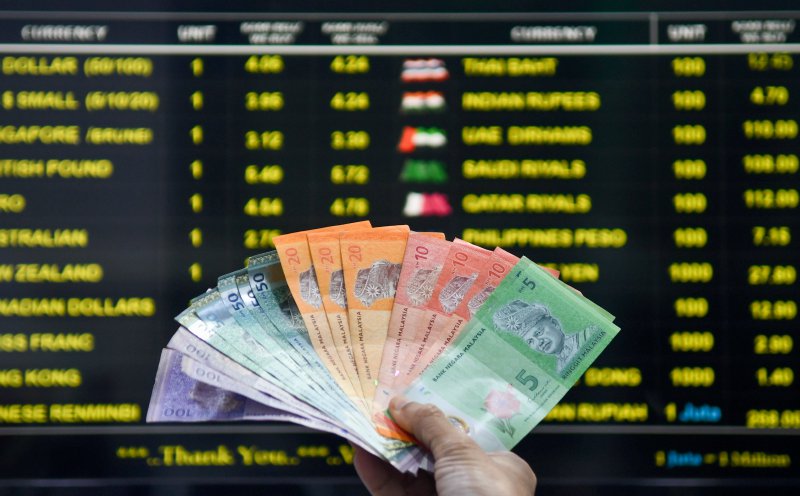
Before we examine which Southeast Asian currency is currently the most undervalued, it’s essential to understand what “undervaluation” signifies. A currency is considered undervalued when its market exchange rate is lower than its “fair value” or purchasing power parity (PPP). In simpler terms, the currency buys less foreign currency than economic fundamentals suggest it should.
Undervaluation can occur for several reasons—trade imbalances, low investor confidence, weak exports, or even deliberate government policy to maintain competitiveness. However, undervalued currencies can also indicate potential upside if the economy is stable and external conditions improve.
Key Factors Influencing Currency Valuation in Southeast Asia
To assess whether a Southeast Asian currency is currently the most undervalued, analysts typically consider multiple economic indicators. Some of the most influential factors include:
- Interest Rate Differentials
Higher interest rates tend to attract foreign capital inflows, strengthening a currency. Conversely, lower rates can weaken it as investors seek higher returns elsewhere. - Trade Balance and Current Account
Countries with consistent trade surpluses often experience appreciation in their currencies due to high demand for exports. Meanwhile, deficits can pressure the currency downward. - <.strong>Inflation Rates
Low and stable inflation helps maintain purchasing power, supporting currency value. High inflation, on the other hand, erodes value and leads to depreciation. - Foreign Exchange Reserves
Large reserves provide a buffer against volatility, allowing central banks to intervene and stabilize the currency when necessary. - Political and Economic Stability
Investor confidence is heavily tied to governance, policy predictability, and fiscal discipline. Uncertainty or political unrest can quickly weaken a currency, regardless of economic fundamentals.
Overview of Major Southeast Asian Currencies

Southeast Asia includes a diverse set of economies—each with its own monetary policies, trade dependencies, and growth trajectories. The key currencies often analyzed are:
- Indonesian Rupiah (IDR)
- Malaysian Ringgit (MYR)
- Thai Baht (THB)
- Philippine Peso (PHP)
- Vietnamese Dong (VND)
- Singapore Dollar (SGD)
Let’s take a closer look at how each of these currencies has performed and where they stand relative to their fair values in 2025.
Indonesian Rupiah (IDR): Weak but Fundamentally Stable
The Indonesian Rupiah has faced moderate depreciation pressure in 2025 due to U.S. interest rate hikes and a widening current account deficit. Despite this, Indonesia’s steady economic growth and strong foreign exchange reserves have prevented a sharp decline.
Analysts argue that the Rupiah is moderately undervalued based on its PPP-adjusted value. Bank Indonesia’s prudent policy stance and efforts to attract foreign direct investment in manufacturing and green energy may help the Rupiah recover gradually.
However, continued reliance on imported raw materials and oil price volatility could limit short-term gains. In relative terms, the Rupiah’s undervaluation may present a value opportunity for long-term investors.
Malaysian Ringgit (MYR): Among the Most Undervalued Currencies in the Region
The Malaysian Ringgit is often cited as the most undervalued currency in Southeast Asia in 2025. The Ringgit has struggled against the U.S. dollar, even as Malaysia posts solid export numbers and maintains low unemployment.
Several factors contribute to this undervaluation:
- Continued capital outflows due to global risk aversion.
- A cautious domestic monetary policy stance.
- Market perception of regional exposure to China’s slowing economy.
Despite these headwinds, Malaysia’s strong fundamentals—robust trade surplus, diversified economy, and low inflation—suggest that the Ringgit’s true value is higher than its market rate. Economists view this as a potential rebound opportunity if global conditions stabilize. In fact, the Ringgit is projected to rise to RM3.93 by mid-2026, signaling strong upside potential.
Thai Baht (THB): Recovering Amid Tourism Revival
Thailand’s Baht has made a moderate recovery, supported by a strong rebound in tourism after several sluggish years. However, compared to pre-pandemic levels, the Baht remains somewhat undervalued.
The Bank of Thailand has maintained a balanced policy stance, supporting growth while managing inflation. Analysts believe that the Baht could appreciate further if tourism and exports continue to rise. Nevertheless, political instability remains a lingering risk factor that may deter foreign inflows.
Philippine Peso (PHP): Overvalued Relative to Fundamentals
In contrast, the Philippine Peso has been relatively resilient, bolstered by remittance inflows and government spending. However, some analysts argue that the Peso may be slightly overvalued, given the widening fiscal deficit and rising external debt.
The Bangko Sentral ng Pilipinas (BSP) continues to tighten monetary policy to manage inflation, but without substantial export growth, the Peso may face downward correction pressure later in the year. Long-term resilience will depend on sustainable infrastructure investments that boost productivity and attract FDI.
Vietnamese Dong (VND): Competitive and Managed Stability
Vietnam’s Dong remains one of the region’s most stable currencies due to government intervention and consistent economic expansion. Despite moderate inflation, the Dong has stayed within a narrow trading band.
While undervaluation claims exist—primarily tied to Vietnam’s export-driven model—its controlled exchange rate policy complicates comparisons. Many international observers believe that the Dong remains slightly undervalued, supporting Vietnam’s competitiveness in manufacturing. Recent Fed rate cuts have further strengthened Vietnam’s ability to stabilize its currency, enhancing investor confidence.
Singapore Dollar (SGD): Fairly Valued and Regionally Strong
The Singapore Dollar stands out as a strong, stable currency in Southeast Asia. Managed through a unique monetary policy focused on exchange rate appreciation rather than interest rates, the SGD is widely seen as fairly valued or even slightly overvalued.
Singapore’s high GDP per capita, fiscal discipline, and global investment position make its currency a safe haven. As such, the SGD rarely experiences large undervaluation periods compared to its neighbors.
Which Southeast Asian Currency Is Currently the Most Undervalued?
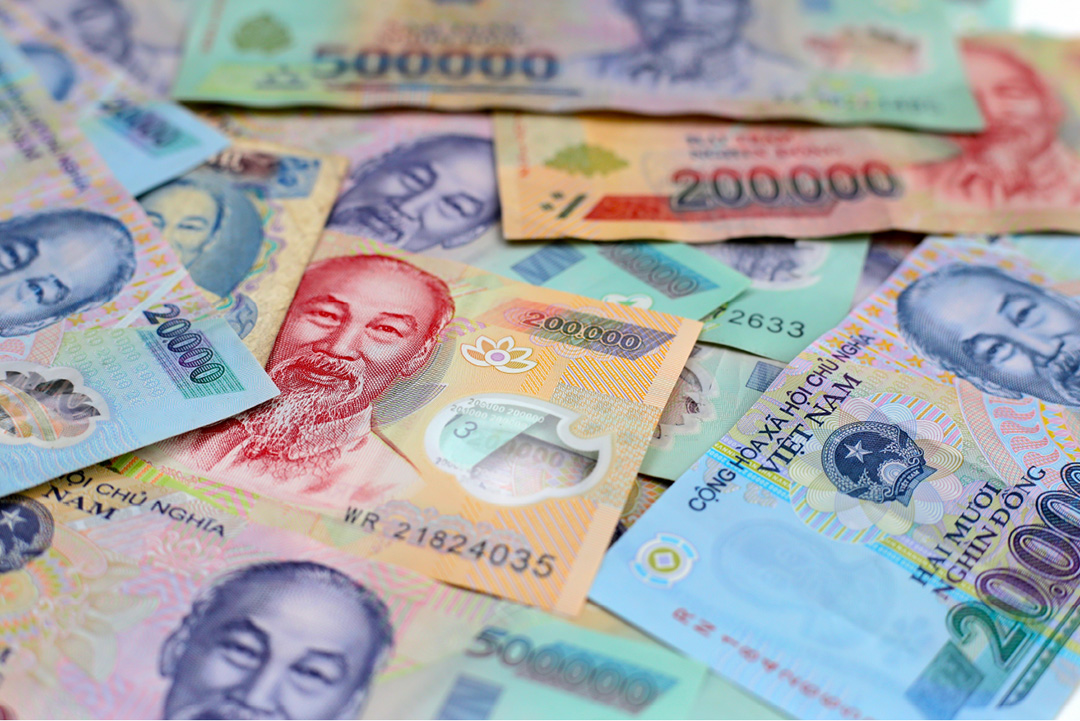

Based on recent economic data, trade performance, and real effective exchange rate (REER) comparisons, the Malaysian Ringgit (MYR) is widely regarded as the most undervalued Southeast Asian currency in 2025.
According to regional economists, the Ringgit trades below its long-term average despite Malaysia’s strong export sector and fiscal stability. This undervaluation likely stems from:
- Global investors’ flight to safety in U.S. assets.
- Persistent bearish sentiment tied to China’s slowdown.
- Limited policy response to currency depreciation.
If global conditions improve and commodity prices stabilize, the Ringgit could experience a significant appreciation over the medium term.
Implications of Currency Undervaluation for Investors and Policymakers
An undervalued currency can create both challenges and opportunities. For exporters, it enhances competitiveness by making products cheaper abroad. However, for importers and consumers, it can increase the cost of foreign goods and fuel inflation.
For policymakers, managing undervaluation requires a delicate balance between supporting exports and maintaining domestic price stability. Interventions through monetary tightening, fiscal reforms, or diversification strategies can gradually restore balance.
What to Expect in the Next 12 Months
Looking ahead, regional currency performance will largely depend on:
- U.S. monetary policy direction and dollar strength.
- Commodity price stability.
- Domestic reforms and investor confidence.
- Regional cooperation under ASEAN frameworks.
If U.S. interest rates begin to ease in late 2025, Southeast Asian currencies—particularly the Ringgit and Rupiah—could experience renewed appreciation.
Determining which Southeast Asian currency is currently the most undervalued offers a snapshot of regional market dynamics and global sentiment. In 2025, the Malaysian Ringgit stands out as a clear candidate, supported by solid fundamentals and an attractive valuation base.
For investors and policymakers alike, recognizing these undervaluation signals is key to identifying opportunities and preparing for eventual market corrections. As global financial conditions evolve, Southeast Asia’s currencies will continue to play a crucial role in shaping trade, investment, and regional economic stability.