Continuing Economic Momentum with Extended Stimulus
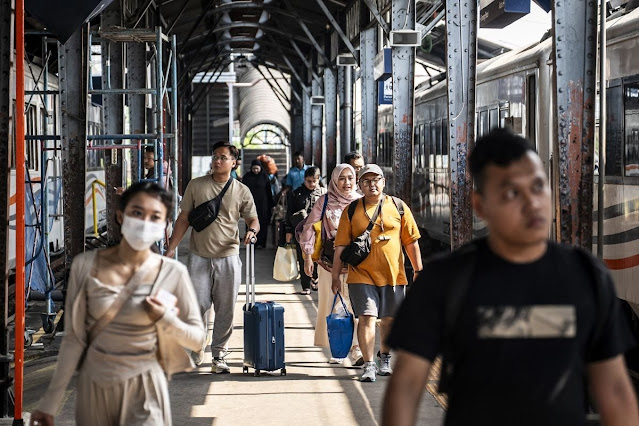
Coordinating Minister for Economic Affairs, Airlangga Hartarto, has confirmed that Indonesia’s economic stimulus package will be extended into the second half of this year as part of a sustained effort to boost economic growth. The specific details of this upcoming package are slated to be released in September 2025. Mirroring earlier initiatives, the extended stimulus will include incentives such as discounted fares for plane, ferry, and train tickets, along with reduced toll tariffs. These consumer-focused measures are planned to be available from December 2025 through January 2026, strategically timed to encourage public consumption and stimulate domestic travel during the year-end holiday season. This approach aims to inject momentum into the economy by directly supporting household spending. However, unlike the previous packages, this new stimulus will not feature electricity discounts or wage subsidy assistance (BSU), indicating a shift in the government’s priorities and a more targeted approach to economic support.
Maintaining Support for Key Sectors and Broader Social Aid
The government has also decided to maintain the 100-percent Value Added Tax Borne by the Government (PPN DTP) incentive for the property sector. This is a significant move, as there were initial talks to cut the incentive to 50 percent. After an agreement, the rate will stay the same, offering full tax relief to the sector and supporting its ongoing growth. This decision shows the government’s dedication to providing stable and predictable support to a key driver of the national economy. The previous five economic stimulus packages, which totaled Rp24.44 trillion (approximately US745 million) in social assistance through extra benefits for the basic food card program and rice distribution to millions of beneficiary families, highlight its commitment to social welfare alongside economic growth.
Targeted Incentives and Strategic Economic Direction
The earlier stimulus package featured specific and targeted incentives to stimulate various segments of the economy. For instance, transportation discounts were structured to directly encourage domestic tourism, with a 30 percent discount on train tickets, a 6 percent VAT reduction for plane tickets, and a 50 percent discount on ferry tickets. A 20 percent cut in toll tariffs further complemented these efforts. Additionally, the government provided wage subsidy assistance (BSU) of Rp300 thousand (US$313) per month, which also included teachers. The decision to remove certain benefits like electricity discounts and BSU from the upcoming package suggests a more refined strategy focused on stimulating consumer spending through travel and supporting the property sector. By announcing the extension well in advance, the government is providing businesses and consumers with the predictability needed to plan and make informed decisions, which can help strengthen economic recovery and build confidence in the months ahead.