Leadership Transition And Strategic Mandate For Jeffrey Hendrik
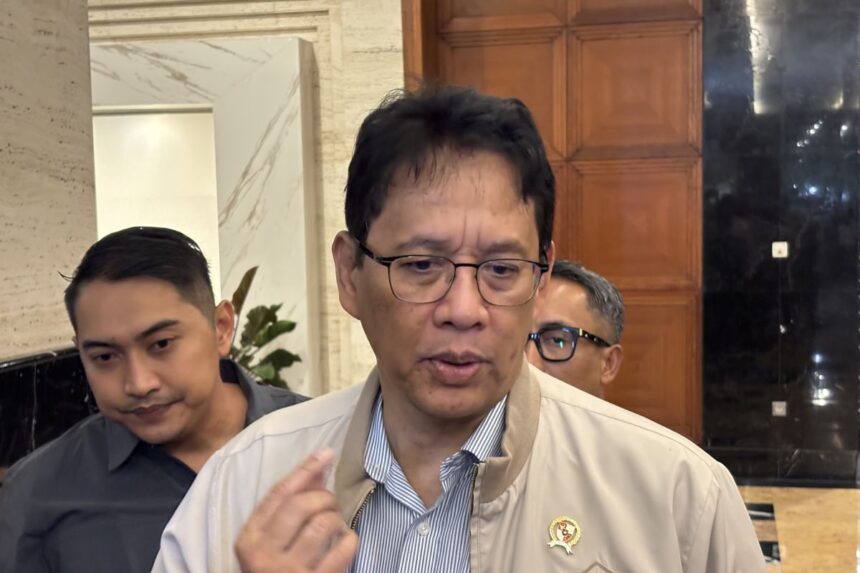
The recent organizational shifts at the Indonesia Stock Exchange have reached a critical juncture following the official confirmation that Jeffrey Hendrik has been appointed as the acting President Director. This decision, confirmed by Finance Minister Purbaya Yudhi Sadewa, places the experienced Director of Business Development at the helm during a period of significant market sensitivity.
It has become clear that the exchange requires steady leadership to navigate the complexities of international index assessments and domestic investor expectations during this transition. Hendrik was the most senior official representing the exchange during a high-level coordination meeting involving the Coordinating Minister for Economic Affairs and representatives from the Financial Services Authority.
His primary immediate task involves representing the institution in a pivotal meeting with MSCI executives scheduled for Monday. This meeting is viewed as a decisive step in resolving the interim measures that have recently impacted the valuation and perception of Indonesian-listed companies. The government has maintained a firm stance of non-intervention, signaling that the exchange must resolve these technical issues through its internal established procedures.
Navigating Market Volatility And Institutional Resilience
The resignation of the former president director followed a week of unprecedented fluctuations in the capital market, creating a challenging environment for the incoming leadership team. Under the guidance of Jeffrey Hendrik, the Indonesia Stock Exchange is moving swiftly to address the shockwaves that triggered a sharp two-day decline in the Jakarta Composite Index earlier this week.
The situation was further complicated by the simultaneous resignations of four senior officials from the Financial Services Authority, which added a layer of regulatory uncertainty to the existing market pressures. To counter this, the exchange has reinforced its commitment to normal operations and routine management decision-making processes to prevent any disruption in trading activity.
Corporate communications have emphasized that the appointment of an acting leader is a proactive measure to provide certainty before the trading floor opens on Monday morning. This commitment to stability is essential for maintaining the confidence of both institutional and retail investors who have been affected by the recent global index rebalancing. The exchange is currently focused on internalizing the feedback received from global index providers.
Commitment To World Class Governance And Investor Protection
As the Indonesia Stock Exchange enters this new chapter, the vision remains focused on developing a world-class capital market that excels in transparency, governance, and market capitalization. Jeffrey Hendrik has publicly affirmed that the exchange will continue to pursue advanced trading activities while strengthening the protective frameworks available to domestic and international investors.
This pledge involves a proactive engagement with global index providers to better understand their methodologies and expectations regarding Indonesian equities. The feedback loop established through these high-level discussions is expected to lead to swift follow-up measures that enhance the quality of financial reporting and corporate disclosures across all listed sectors.
A world-class market is not defined solely by its size but by the trust it inspires in the global financial community, and the current leadership transition is being used as an opportunity to reinforce these core values. Strategic plans are being formulated to integrate more robust governance oversight mechanisms, ensuring that the exchange remains a safe and attractive destination for capital accumulation. The focus on transparency is particularly relevant given the recent market corrections.
Strategic Analysis Of Regulatory Flux And Capital Market Trajectory
The appointment of an acting director at the Indonesia Stock Exchange during a period of simultaneous regulatory resignations represents a complex inflection point for the nation’s financial architecture. From an expert-level analytical perspective, the primary challenge lies in decoupling the technical aspects of the MSCI index review from the broader perception of sovereign institutional stability.
The sharp correction in the Jakarta Composite Index was a rational market response to the uncertainty surrounding interim measures, but the swift appointment of a senior insider suggests a continuity first strategy designed to minimize the equity risk premium. We interpret the government’s non-interventionist stance as a vital signal to international markets that the exchange operates with the necessary autonomy to handle technical index disputes through professional channels.
Furthermore, the regional market impact of this leadership shift will be measured by the success of the upcoming negotiations with global index providers. If the exchange can successfully demonstrate that its internal procedures for corporate governance are being strengthened, we anticipate a gradual recovery of foreign capital inflows by the second quarter of 2026.
The integration of feedback from global providers is not merely a reactive move but a strategic necessity to ensure that Indonesian equities are not marginalized in emerging market portfolios. We observe that the market’s resilience will depend heavily on the perceived independence of the exchange’s new leadership team and their ability to synchronize with the remaining officials at the Financial Services Authority.
From a long-term investment standpoint, this period of administrative flux may actually serve as a catalyst for deeper institutional reforms that were previously delayed. Ultimately, the transition provides a unique opportunity to reset the relationship between domestic listing standards and international benchmarks, potentially leading to a more robust and transparent capital market ecosystem.
The successful navigation of this MSCI rebalancing will determine whether Indonesia can maintain its status as a preferred emerging market destination or if capital will seek higher regulatory certainty in neighboring ASEAN hubs. By aligning domestic practices with international standards, the exchange aims to secure its position as a leading regional hub for investment, driven by a leadership team that is committed to unwavering integrity and professional excellence in every aspect of market operation.