Strategic Response To Inflationary Pressure And Price Controls
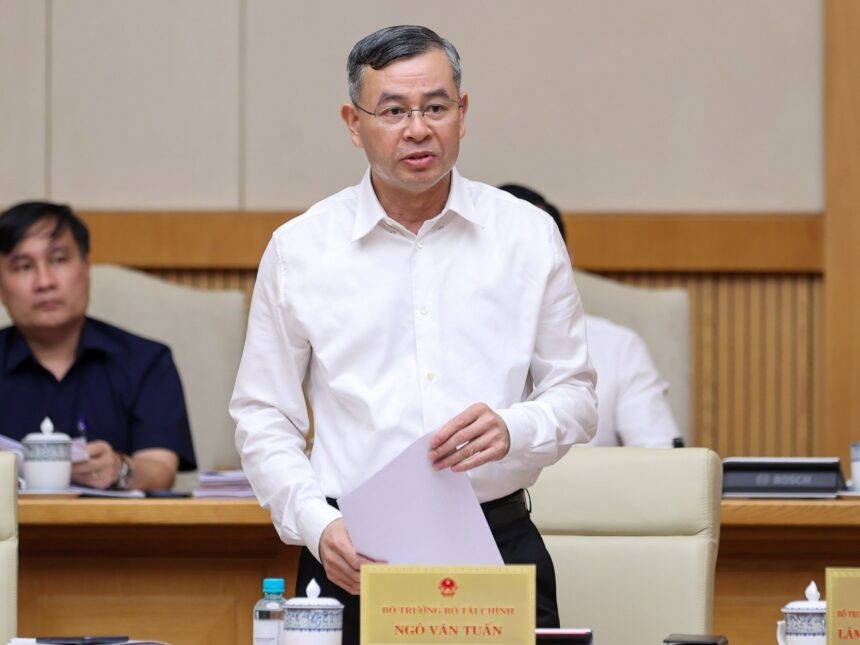
The Vietnamese government is prioritizing administrative vigilance as external shocks from global energy markets and scheduled hikes to state managed service fees weigh on domestic price stability. To maintain economic balance, the Ministry of Finance has emphasized the importance of effective price controls on its latest strategic policy update.
According to the National Statistics Office, the Consumer Price Index climbed to 5.46% in April on an on-year basis, accelerating sharply from the 4.65% recorded in March and approaching the 5.5% worst case scenario previously presented. The primary driver is cost-push pressure from global crude oil prices, which have surged since March amid heightened geopolitical tensions in the Middle East.
These global disruptions have not only inflated energy costs but also caused a surge in international logistics and transportation expenses, creating a cascade effect across various domestic sectors. These categories account for over half of the consumer basket and recorded the sharpest rises in the first four months of 2026, with food costs up 5.2% and transportation climbing 11.1%.
In response, the government is bracing for additional domestic price pressures, including increased electricity demand during the peak summer heat and scheduled adjustments to healthcare and education fees. By implementing targeted price controls, authorities aim to prevent a runaway inflationary spiral that could erode the purchasing power of the population and destabilize the manufacturing base.
Coordinated Ministerial Action And Market Surveillance Protocols
To mitigate the growing inflationary pressures, the Ministry of Finance has called for a highly coordinated response between various government bodies. The Ministry of Industry and Trade has been urged to ensure a stable domestic energy supply through the continued management of the Fuel Price Stabilisation Fund, which acts as a buffer against international market swings.
Meanwhile, the Ministry of Construction is expected to provide clear guidance on adjusting construction contracts to account for material price volatility, ensuring that vital infrastructure projects remain on track. Each ministry is now required to maintain strict market surveillance to prevent speculative hoarding and unreasonable price hikes, particularly in essential commodities such as rice and pork.
These price controls are essential for protecting the manufacturing and logistics sectors, which are heavily dependent on reliable and affordable fuel access. Furthermore, localities have been instructed to implement market stabilisation programmes suited to their specific economic conditions, allowing for a more granular and effective response to regional price fluctuations that occur across the provinces.
The government’s goal is to determine whether a similar mechanism can be applied across all energy resources to protect member states from extreme volatility. By integrating strategic interests and maintaining transparent monitoring systems, the nation is looking to build a more resilient infrastructure that can withstand sudden geopolitical shocks and ensure continued industrial productivity.
Driving Public Investment And Enhancing Fiscal Resilience
On the growth front, the government is focusing on public investment as a key engine to achieve high economic growth in 2026 despite the necessity of maintaining certain price controls. Total social investment in the first quarter reached 29.8 billion dollars, representing a 10.7% rise on-year, while foreign direct investment remains a significant bright spot for the national economy.
Registered capital in the first four months of the year reached 18.2 billion dollars, a 32% increase on-year, demonstrating continued international confidence in the regional market’s stability and growth trajectory. However, issues persist in the deployment of state capital, with approximately 1.85 billion dollars of the investment plan remaining unallocated across various ministries as of late April.
To address this, the finance ministry has mandated that these entities expedite their allocation processes and finalize regional mining plans by the second quarter to ensure an adequate supply of raw materials for key infrastructure projects. The successful implementation of these fiscal policies, combined with rigorous price controls, is expected to enhance the overall economic stability and attract long-term capital.
Ultimately, the focus on shared infrastructure and efficient resource allocation represents a proactive step toward securing long-term prosperity. By speaking with a unified voice and formalizing security protocols, the government is sending a clear signal to the global market that it is committed to maintaining its growth trajectory regardless of the inherent volatility found in global commodity markets.
Macroeconomic Stability And Fiscal Strategy
The recent acceleration of the Consumer Price Index toward the 5.5% threshold highlights the delicate balancing act facing Southeast Asian emerging markets in the 2026 economic landscape. The Ministry of Finance’s emphasis on price controls is a logical short-term defensive measure designed to anchor inflation expectations and prevent the secondary effects of energy price shocks from embedding themselves into the broader economy.
However, prolonged administrative intervention can lead to market distortions if not paired with structural supply-side adjustments. The decision to use the Fuel Price Stabilisation Fund is a classic example of using fiscal buffers to absorb external volatility, effectively lowering the immediate cost of living for the population while protecting the industrial base from sudden logistical cost spikes.
This strategy is particularly vital for the high-volume manufacturing sectors that form the backbone of the national GDP, as consistent input costs are a prerequisite for maintaining international competitiveness. The regional market impact of these inflationary trends suggests a need for deeper integration within the broader trade bloc to leverage collective bargaining power against global energy suppliers.
We project that the successful allocation of the remaining 1.85 billion dollars in public investment will be the defining factor for achieving the 2026 growth targets, as these funds are earmarked for infrastructure that reduces long-term transport and logistics overhead. Furthermore, the 32% surge in registered foreign direct investment indicates that institutional capital still views the region as a high-growth haven.
By prioritizing infrastructure-based fields and practical commercial needs over theoretical models, the administration is cementing its position as a resilient player in the global economy. As the organization continues to mature, the focus on shared monitoring systems and transparent price controls will likely lead to more efficient resource allocation, ensuring that the Southeast Asian community remains insulated from the most extreme shocks.