New Policies to Elevate Vietnam’s Labor Market
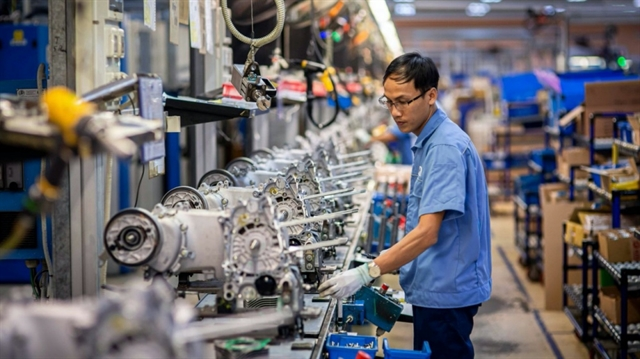
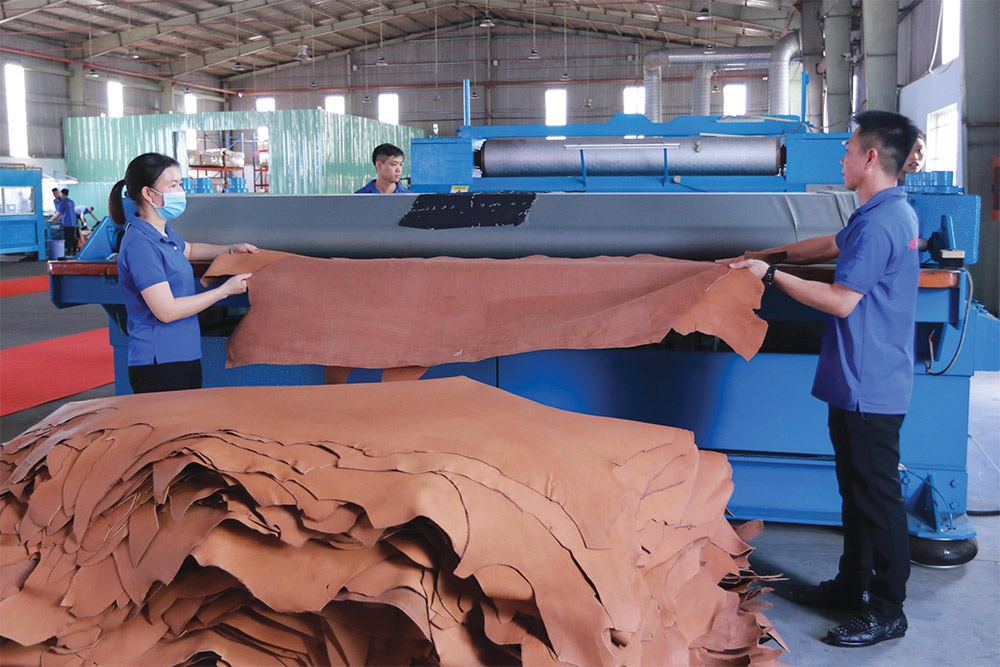
Vietnam’s Ministry of Finance has proposed a significant new policy that would require foreign-invested enterprises (FIEs) to implement labor training plans as a core condition of their investment. This strategic framework is deemed necessary by Minister of Finance Nguyen Van Thang to protect and enhance both the quality and quantity of the labor market within the FIE sector. The minister emphasized to the National Assembly that this policy provides a clear, comprehensive legal foundation for a new era of investment, prioritizing high-tech industries and partners that create high value while simultaneously offering better protection for vulnerable workers. This approach is part of a broader strategy to support workers, which also includes a focus on defining clear strategic orientations and priority sectors for development. The government’s goal is to encourage strong links between FIEs and domestic enterprises, facilitating crucial technology transfers and boosting local production capacity, thereby creating a foundation for sustainable and inclusive economic growth.
Addressing the Training Gap and Labor Concerns
While foreign-invested enterprises have made significant contributions to Vietnam’s economy, issues related to labor recruitment and utilization remain a key concern. According to data from the Ministry of Finance, FIEs have a substantial presence in Vietnam, with a total of 43,700 projects and an impressive $331.5 billion in realized capital. These enterprises employ a vast workforce of 5.1 million local workers, accounting for nearly 10 percent of the total labor force, and they generally offer higher salaries than their domestic counterparts. However, a significant training gap exists, as only 57 percent of FIEs currently provide training programs for their employees, leaving a substantial 43 percent of their workforce without any formal training. This lack of investment in human capital has raised concerns among officials. National Assembly deputy Nguyen Cong Long specifically pointed out that in their pursuit of profit maximization, some FIEs may be avoiding training and exploiting the local labor force through tactics like using probationary contracts followed by dismissal, a practice that particularly affects older workers.
The Need for High-Skilled Labor for Future Growth
The proposed policy framework is not only a response to current labor concerns but also a critical step towards addressing a long-term challenge for Vietnam’s economy: a serious shortage of high-skilled labor. A World Bank report from last December highlighted this issue, noting that while the manufacturing sector has created nearly five million jobs over the past 15 years, the number of high-skilled positions remains scarce. In fact, the report found that Vietnam’s percentage of high-skilled jobs is the lowest among its peer countries, a serious impediment to the nation’s goal of climbing the global value chains. The proposed policy, which aims to make labor training a condition of investment, is an essential part of the solution. By ensuring that foreign investors contribute to developing the skills of the local workforce and prioritizing high-tech industries, Vietnam can successfully attract investment that not only creates jobs but also builds a highly capable and competitive labor force, ultimately securing the nation’s long-term economic prosperity and social security for its workers.