Protecting The Authenticity Of OCOP Goods
The integrity of OCOP goods is currently facing a significant threat as counterfeit versions with fraudulent labels flood traditional markets and e-commerce platforms across Vietnam. This proliferation of imitation products undermines consumer trust and damages the reputation of legitimate agricultural producers who work tirelessly to maintain high standards. From herbal items like turmeric starch to specialized lotus tea, many products falsely marketed as certified OCOP goods are now being sold at suspiciously low prices.
Producers in provinces like Nghe An report that fake packaging is becoming rampant, particularly on digital channels where verification is harder for the average buyer. For instance, the Sen Que Bac Cooperative in Kim Lien Commune adheres to rigorous protocols regarding raw material sourcing and processing to earn their three- and four-star certifications. Because authentic OCOP goods must undergo strict quality control measures to preserve their natural aroma and nutritional benefits, they naturally carry a higher price point than mass-produced alternatives.
When consumers unknowingly purchase cheaper, low-quality fakes that carry the prestigious logo, their negative experience leads them to doubt the credibility of the entire national program. This erosion of trust is particularly devastating for local cooperatives that rely on the OCOP status to differentiate their high-quality offerings in a crowded marketplace. Strengthening the protection of this national brand is essential to ensure that the hardworking farmers and entrepreneurs who abide by the rules are rewarded for their dedication rather than squeezed out by unethical competitors who utilize deceptive marketing tactics to siphon off revenue from the legitimate agricultural sector.
Navigating Challenges In Counterfeit Detection And Consumer Safety
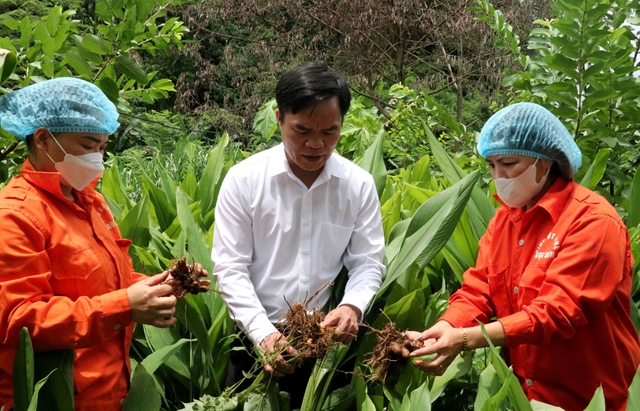
Distinguishing between genuine and counterfeit merchandise has become increasingly complex, as illicit manufacturers often create packaging that is almost identical to the real items. Representatives from cooperatives specializing in turmeric starch have noted that counterfeiters frequently replicate design elements while merely changing the contact details or origin addresses. Even more concerning are the reports that these fake products are often adulterated with fillers such as cassava starch, synthetic coloring agents, and various impurities that could pose serious risks to human health.
While authentic OCOP goods often require expensive cold-drying and advanced filtering systems to ensure purity and safety, counterfeiters ignore these processes to sell their wares at a fraction of the cost. The rapid expansion of e-commerce has made it significantly more difficult for market surveillance officials to track these operations, as sellers can easily hide their identity or move their online storefronts once detected. Because consumers currently lack widespread access to effective verification tools, many fall victim to these scams, unknowingly purchasing substandard items.
To combat this, authorities are ramping up inspections and actively encouraging producers to utilize established digital marketplaces that have stricter seller verification protocols in place. By shifting the focus toward a more comprehensive strategy that includes both aggressive market monitoring and consumer education, officials hope to curb the spread of imitation products. Protecting the public from health hazards associated with impure substitutes is just as vital as protecting the economic interests of producers, as any health-related incident involving an item with a fake certification could permanently tarnish the overall brand image of the entire national agricultural program.
Digital Transformation And Stricter Regulatory Oversight
To address the rising tide of fraud, provincial agricultural authorities are accelerating the implementation of digital traceability systems, most notably through the use of standardized QR codes. By linking these codes to certified growing areas and specific production histories, consumers can now verify the origins, harvest dates, and processing stages of their purchases. New regulations from the government mandate that products must maintain a minimum three-star rating and adhere to strict safety and environmental standards, with a new emphasis on post-certification oversight.
Products that are found to be misusing the official labels or failing to maintain their quality standards now face the risk of immediate certification suspension or permanent revocation. This shift from simple pre-approval checks to a more rigorous, ongoing supervision model is a critical step in preserving the long-term credibility of the OCOP goods program. As of early 2026, the country boasts over 20,000 products rated three stars or higher, showcasing the massive success and scale of this national initiative.
Industry experts emphasize that continued success will depend heavily on the intersection of three factors: stronger enforcement of existing laws, the widespread adoption of digital traceability to empower consumers, and the imposition of tougher penalties for those who produce counterfeit OCOP goods. By making the cost of fraudulent behavior prohibitively high, authorities hope to create a safer economic climate where legitimate producers can thrive without fear of exploitation. Ultimately, the survival and growth of Vietnam’s high-quality agricultural sector depend on maintaining a transparent, secure, and verifiable system that honors the hard work of rural communities while providing consumers with the assurance that every item they purchase is exactly what it claims to be.
Market Impact And Strategic Structural Analysis
From a financial perspective, the proliferation of counterfeit OCOP goods represents a significant structural risk to the rural economy in Vietnam. When illicit actors flood the market with low-cost substitutes, they compress the margins for legitimate producers, forcing these small-scale entrepreneurs to compete on price rather than value. This price compression is particularly harmful to cooperatives that have invested heavily in cold-drying and filtering infrastructure, as they are unable to recover their capital expenditure when their products are undercut by cheaper, contaminated alternatives.
The regional market impact extends beyond direct revenue loss, affecting the long-term valuation of agricultural brands across the ASEAN trade bloc. As Vietnam pushes to increase its export footprint, the credibility of its domestic certification programs becomes a key differentiator in international markets. Failure to curb domestic counterfeit activities risks creating a reputation for inconsistent quality, which can lead to more stringent import scrutiny and higher non-tariff barriers for all Vietnamese exporters, regardless of their compliance status.
Investors and stakeholders should view the current regulatory pivot toward digital traceability and post-certification oversight as a necessary evolution of the national brand. By automating supply chain verification, the government is not only protecting consumers but also creating an audit trail that can facilitate future export growth. The long-term success of the OCOP initiative will likely be defined by the effectiveness of these digital enforcement mechanisms in decoupling genuine quality from fraudulent marketing, thereby stabilizing the market for high-value agricultural commodities and ensuring the sustained profitability of rural cooperatives in an increasingly digitized global economy.