Strategic Realignment And The Future Of Robinsons Retail Portfolio
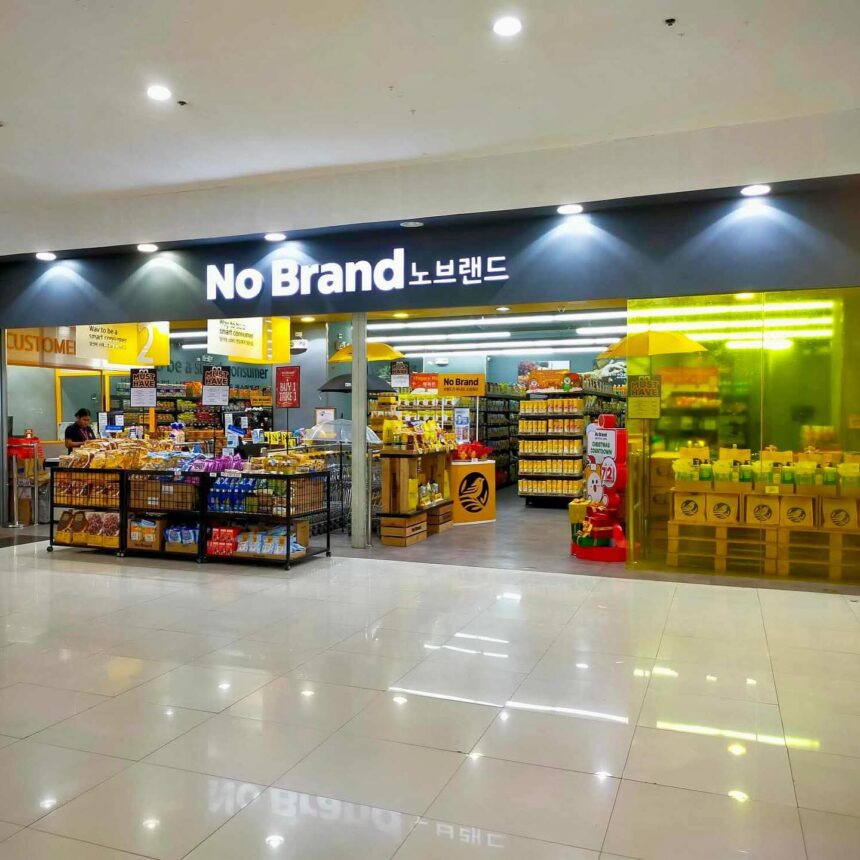
The Philippine retail landscape is undergoing a significant transition as the Gokongwei group announces that Robinsons Retail Holdings, Inc. will officially cease operations of its No Brand standalone stores by the end of June 2026. This strategic decision involves the closure of eleven specific locations across the country, marking a shift in how the conglomerate manages its diverse international partnerships and niche market segments. According to the official disclosure provided by the company, this move is a direct response to rapidly evolving consumer preferences and a deeper analysis of how modern shoppers are interacting with different retail formats in a post pandemic economy.
Stanley C. Co, the President and Chief Executive Officer of the firm, emphasized that the primary objective is to ensure that the organization remains agile and highly responsive to the actual needs of its massive customer base. By streamlining the portfolio, the management team can focus resources on the most successful and relevant assortments that resonate with the Filipino public. The partnership with South Korea’s Emart, which began in 2019, provided a unique value proposition through the No Brand label, but the shifting dynamics of standalone specialty stores have led to this calculated exit.
This realignment is part of a broader effort to optimize the retail arm’s footprint, ensuring that every square meter of commercial space contributes effectively to the overall mission of the group. As the company moves forward, the emphasis will remain on data driven decision making to identify which brands and service models truly align with the long term habits of the local population, thereby maintaining its market leadership. The strategy reflects a move away from trial formats toward proven, high-traffic banners that offer better margins and scalability.
Financial Resilience And The Scale Of Robinsons Retail Operations
From a financial perspective, the market has been assured that the closure of these eleven standalone units will not have a material impact on the overall performance of Robinsons Retail for the current fiscal year. The No Brand segment accounted for approximately 0.2% of annual net sales and represented a minimal share of the company’s total assets, making the exit a relatively low risk maneuver in terms of the consolidated balance sheet. To put this into perspective, the eleven affected stores are a tiny fraction of the massive network of more than 2,700 company owned stores managed by the retail giant.
This expansive ecosystem includes 157 Robinsons Supermarket branches, 159 Robinsons Easymart locations, and 38 premium outlets under The Marketplace banner. Furthermore, the group operates 16 Shopwise hypermarkets and 415 Uncle John’s convenience stores within its robust food segment, alongside more than 2,100 franchised TGP drugstores as of the end of 2025. This sheer scale allows the organization to absorb the loss of a niche format without compromising its growth trajectory or dividend capabilities for its shareholders.
The ability of Robinsons Retail to maintain such a high degree of operational stability while pruning underperforming or less relevant formats is a testament to its sophisticated management and deep understanding of the local market. The focus remains on strengthening the core supermarket and convenience formats, which continue to drive the majority of the volume and foot traffic across the archipelago. By reallocating the capital and management attention previously dedicated to No Brand, the firm can further enhance the customer experience within its larger, high performing retail banners.
Adapting To New Consumer Behaviors In The Philippine Market
The end of the No Brand standalone era in the Philippines highlights a broader trend where Robinsons Retail is pivoting toward more integrated and efficient shopping experiences for its diverse clientele. While the master franchise agreement with Emart allowed for the introduction of high quality Korean private label goods, the company has observed that customers are increasingly looking for convenience and a wider variety of choices within unified shopping environments. This means that instead of visiting standalone specialty shops, many consumers prefer to find these unique products within the existing aisles of larger supermarkets.
This decision to close these specific sites suggests a commitment to a more sustainable and high margin business model that avoids the high overhead costs associated with maintaining small, specialized brick and mortar footprints. The partnership with Emart remains a valued part of the company’s history, but the future lies in the intelligent integration of popular international brands into more comprehensive retail formats. As the retail landscape continues to digitize and converge, the company is well positioned to leverage its vast logistics and distribution network to serve customers wherever they choose to shop.
The focus on providing the most appropriate formats for specific neighborhoods ensures that the group stays ahead of competitors who may be slower to adapt to the changing tide of consumer sentiment. Ultimately, the closure of these eleven stores is a proactive step toward a leaner, more focused organization that is better equipped to navigate the challenges and opportunities of the 2026 economic environment. This ensures continued value for both customers and investors alike as the company reinforces its dominant position in the essential food and pharmacy sectors.
Institutional Re-Rating And The Strategic Valuation Of Retail Portfolio Dynamics
The 2026 decision by the Gokongwei group to sunset the standalone No Brand format represents a critical inflection point in the Southeast Asian retail sector, signaling a transition toward a high efficiency institutional investment model. We analyze that the focus on portfolio pruning is not merely a logistical necessity but a strategic effort to align the national retail backbone with global benchmarks for capital productivity and asset turnover. From a professional financial perspective, the transparent communication regarding the 0.2% revenue impact provides a layer of institutional credibility that is essential for maintaining the confidence of global asset managers during a period of rising interest rates.
Furthermore, we project that the current focus on strengthening the food segment through high performing banners like Uncle John’s and Robinsons Supermarket will act as a localized catalyst for a re-valuation of the domestic consumer discretionary and staples sectors. For institutional investors, the successful management of this exit provides a unique entry point into the Philippine growth narrative, as it proves the efficacy of the group’s data driven approach to format selection. We observe that the market is already beginning to price in a resilience factor for large scale operators that successfully integrate private label strategy into multi format environments rather than relying on isolated specialty shops.
The long term impact on the regional market will manifest as a structural stabilization of retail valuations, as standardized operational protocols and improved asset allocation reduce the friction costs associated with underperforming niche formats. This transition toward a more predictable development model reduces the concentration of operational risk for the conglomerate and provides a more fertile environment for secondary offerings or debt capital market activity in the retail space. As corporate governance in the consumer sector is strengthened through rigorous performance auditing and strategic realignment, we expect a narrowing of the risk premium for large scale platforms like Robinsons Retail.
This proactive financial and operational stance observed in this 2026 disclosure sets a new regional standard for how a dominant market player can transform portfolio challenges into localized institutional stability and sustainable long term economic prosperity. By prioritizing margin health over sheer store count in niche categories, the firm demonstrates a commitment to sustainable profitability that aligns with the expectations of sophisticated equity researchers. This strategic pivot ensures the conglomerate remains resilient against inflationary pressures while maintaining its competitive edge in the highly fragmented Southeast Asian retail ecosystem.