Strategic Adaptation And The Resilience Of Grab In Thailand
The Thai transport and delivery landscape is currently facing a period of significant economic pressure as Grab Thailand proactively navigates a mini-crisis triggered by escalating global fuel costs. This strategic adaptation involves a complex contingency plan that may include the introduction of passenger surcharges to offset rising overheads for drivers while simultaneously maintaining aggressive promotional campaigns to sustain consumer demand. By reallocating marketing budgets toward high-growth segments, such as the resilient work-from-home demographic, the platform aims to provide a stable ecosystem for both merchants and riders during times of geopolitical volatility.
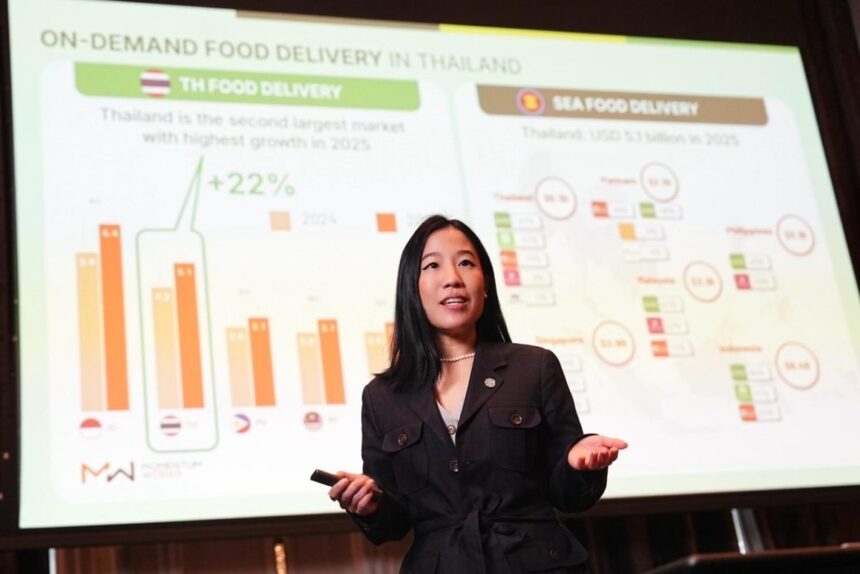
Chantsuda Thananitayaudom, the country head, has emphasized that while macro headwinds are persistent, the structural growth of the digital economy remains firmly intact across the region. With food delivery currently accounting for roughly 20% of the total 700-billion-baht restaurant market and ride-hailing penetration sitting at only 10%, there is substantial headroom for long-term expansion. The company is leaning into its market leadership position, currently holding a 47% share of the gross merchandise value in what has become the second-largest food delivery market in Southeast Asia.
This dominant position allows the group to monitor supply and demand dynamics in real-time, adjusting commission rates for drivers between 10% and 20% to ensure operational stability. To further support its fleet, a 10-million-baht incentive scheme has been deployed to mitigate the immediate impact of high energy prices on rider earnings. By balancing these financial levers, the organization seeks to maintain a reliable service for millions of users while protecting the livelihoods of the tens of thousands of partners who form the backbone of its logistical network and regional supply chain.
Innovative Financial Services And The Evolution Of Grab Quick Cash
Beyond its core mobility and delivery sectors, the platform is rapidly evolving into a comprehensive financial services provider with the upcoming launch of its digital lending initiative. Starting next month, the Grab Quick Cash service will target underpenetrated segments of the population, specifically focusing on freelancers, students, and social commerce operators who often struggle to access traditional banking products. These personal loans will offer amounts of up to 20,000 baht with flexible repayment periods of up to six months at a competitive interest rate of 33%.
This move into nanofinance is a strategic response to the fact that approximately 20% of borrowers in the formal market require liquidity but face constant rejection from traditional lenders. To qualify for these funds, borrowers must be at least 20 years old and demonstrate a consistent history as a customer for at least three months, particularly through the frequent use of credit cards for travel services. The expansion into digital lending represents a significant pillar of the 2026 growth strategy, aiming to capture incremental demand amidst ongoing economic uncertainty and shifting regional credit cycles.
This financial integration creates a stickier ecosystem where users can manage their daily transport, food, and capital needs through a single interface. The company has already seen a 40% increase in loan disbursements over the past year, highlighting a strong appetite for accessible credit among its user base. By providing these essential financial tools, the platform not only supports individual entrepreneurs but also strengthens the overall resilience of the Thai digital economy. The focus on student demographics further underscores the intent to diversify revenue streams, ensuring a more balanced and sustainable business model.
Sustainability Initiatives And The Future Of Mobility In Southeast Asia
As part of its long-term commitment to national priorities and environmental sustainability, Grab is accelerating the transition toward a greener fleet by integrating tens of thousands of electric vehicles into its daily operations. While electricity costs have seen a modest rise, they remain significantly lower than traditional fuel costs, often providing a 60% to 70% saving for drivers who make the switch to electric mobility. This shift is a key component of the Barbell Strategy 2.0, which seeks to balance mass-market value with premium offerings for high-spending users and international travelers.
New features such as Group Ride are being rolled out to enhance the user experience, allowing passengers to invite contacts from their Line app to split fares automatically based on distance. For the younger generation, the GrabForStudent package offers a bundled suite of benefits that can save Gen Z users up to 9,000 baht per year on essential services. These innovations contributed to a surge in mobility usage of over 250% last year, driven largely by the popularity of affordable programs across both car and bike services.
At the same time, the launch of GrabExecutive has successfully captured the premium limousine market, targeting corporate clients in sectors like consulting and banking. The success of this dual-track approach is evident in the 19% rise in average order frequency and an 8% increase in monthly spending per user. With active driver numbers jumping by 52% and enterprise clients growing by 45%, the platform is well-positioned to continue its trajectory as a cornerstone of Thai commerce. By focusing on sustainability and technological innovation, the company ensures that it remains indispensable to a diverse range of regional users.
Institutional Re-Rating And The Strategic Valuation Of Southeast Asian Super-Apps
The 2026 operational performance of the platform in Thailand marks a definitive shift in the valuation methodology for Southeast Asian digital conglomerates, signaling a transition toward a high-transparency earnings quality model. We analyze that the implementation of the Barbell Strategy 2.0 is not merely a marketing adjustment but a structural effort to align the company’s capital allocation with global benchmarks for diversified revenue resilience. From a professional financial perspective, the integration of nanofinance through services like Grab Quick Cash provides a layer of institutional gravity that is essential for re-rating the tech sector in the eyes of global asset managers.
This suggests that the local market is currently entering a phase of institutionalization, where the ability of a super-app to manage complex credit margins across underpenetrated demographics outweighs the traditional focus on sheer user acquisition metrics. Furthermore, we project that the move to expand the electric vehicle fleet will act as a localized buffer against the tightening liquidity conditions currently pressuring emerging market equity benchmarks. For institutional investors, this proactive ESG alignment provides a unique entry point into the Southeast Asian growth narrative, as it ensures that operational margins are prioritized through lower energy costs rather than variable fuel dependencies.
The long-term impact on the regional market will manifest as a structural stabilization of platform valuations, as standardized lending protocols and improved merchant visibility reduce the idiosyncratic risks historically associated with the gig economy. This transition toward a more predictable development model provides a more fertile environment for secondary offerings or debt capital market activity in the tech space. As corporate governance within the industry is strengthened through rigorous data auditing and strategic realignment, we expect a narrowing of the risk premium for large-scale digital platforms in Thailand. The proactive financial stance observed in this 2026 outlook sets a new standard for how regional giants can transform market challenges into institutional stability and sustainable long-term economic prosperity through disciplined innovation.