Manufacturing Resilience Driven By Advanced Technological Demand
The Republic of Singapore is experiencing a notable surge in industrial output, largely supported by the sustained demand for AI-related electronics and advanced hardware components within the global technology supply chain. Despite persistent geopolitical tensions in the Middle East that continue to affect specific energy-intensive sectors, the broader manufacturing landscape remains robust and resilient. Data released by the Economic Development Board indicates that factory production expanded by an impressive 17.6% year on year in April, a figure that significantly outperformed market expectations and exceeded previous growth estimates by private-sector economists who had predicted a more conservative expansion.
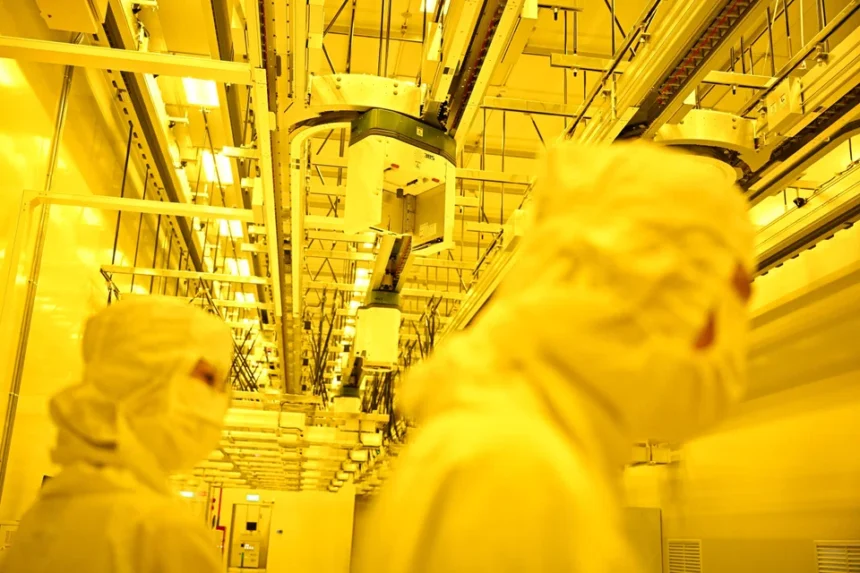
This performance was primarily characterized by a massive uptick in the production of specialized high-tech goods, reflecting the city-state’s deepening integration into the global supply chain for advanced computational hardware. As global hyperscaler tech firms continue to increase their capital expenditure, the momentum behind these high-tech components is expected to persist well into the latter half of 2026. This upward trajectory in production demonstrates the critical role that Singapore plays in the global technology ecosystem, as manufacturers capitalize on the current boom in artificial intelligence infrastructure.
While some observers remain cautious about potential supply chain bottlenecks for critical materials, the current data suggests that the demand for these sophisticated units is sufficiently strong to offset localized weaknesses. By focusing on high-value output, the industrial base is successfully navigating global headwinds and positioning itself for continued expansion throughout the remainder of the fiscal year, thereby reinforcing its reputation as a premier hub for high-end manufacturing excellence across the wider international trade network.
Sectoral Performance And The Structural Role Of Electronics
The electronics cluster continues to serve as the linchpin of the national manufacturing economy, recording an extraordinary 44% growth rate in April and marking its strongest performance in nearly two years. This segment, which encompasses infocomms, consumer goods, and critical semiconductor components, has been a primary beneficiary of the ongoing global enthusiasm for AI-related electronics and the associated digital transformation of enterprise architecture worldwide. Furthermore, general manufacturing and precision engineering clusters also contributed positively to the overall output, driven by increased production in structural metal products, aircraft parts, and semiconductor manufacturing equipment.
The precision engineering sector, in particular, saw a jump of 15.1%, highlighting the intricate interdependencies between different manufacturing segments as they collectively respond to the high-tech investment cycle. As specialized machines and modules are refined to meet the strict requirements of modern data centers, these clusters provide the necessary infrastructure to support widespread technological deployment. Even amidst these successes, it is clear that the industrial base is not monolithic, with diverse segments contributing unique value to the national trade profile.
The expansion of these key sectors demonstrates a healthy diversification of production capabilities, ensuring that the economy remains agile even when faced with complex external demands. By maintaining a high volume of output in these technical areas, manufacturers are able to secure their position as indispensable partners for global firms, thereby ensuring that the structural growth of the local economy remains consistent with the broader trends observed in international markets and technological development over the coming years and decades.
Macroeconomic Challenges And The Future Outlook For Industry
While the overall manufacturing momentum is strong, the chemicals and biomedical clusters have faced significant challenges, recording successive monthly declines primarily due to external supply disruptions and softer demand. The persistent volatility in the Strait of Hormuz has hindered the delivery of vital feedstocks, creating a difficult environment for energy-intensive sectors that are currently bearing the brunt of the geopolitical conflict. Despite these localized headwinds, analysts remain optimistic that the strength seen in high-value clusters such as transport engineering and AI-related electronics will continue to mitigate the negative impacts felt by the petrochemical and biomedical segments.
The divergence in performance across different industrial clusters illustrates the importance of building a robust and adaptable manufacturing foundation that can withstand external shocks while maintaining high output in sectors where competitive advantages are most pronounced. Looking forward, the sustainment of the current boom in capital expenditure by major tech firms will be a critical factor in determining the extent to which these growth trends can be extended into 2027. Policymakers and industry leaders must continue to monitor supply side risks, particularly concerning the availability of critical semiconductor materials, which could influence the production of AI-related electronics globally.
By managing input costs and ensuring a stable supply of raw materials, the local manufacturing sector can maintain its strong momentum and contribute to the long-term prosperity of the Republic. The ongoing success of these high-tech segments serves as a testament to the effectiveness of strategic investment and the importance of fostering a business environment that encourages high-value production even in the face of challenging macroeconomic conditions.
Regional Market Impact And Capital Allocation Strategy
From a regional market perspective, this profound manufacturing upswing fundamentally alters capital allocation strategies across the Southeast Asian industrial corridor. The heightened localized demand for advanced microchips and specialized assembly components creates a powerful multiplier effect, stimulating cross-border intermediate trade with neighboring hubs like Malaysia and Indonesia. This localized industrial synergy accelerates foreign direct investment inflows into dedicated technical parks, as global multinational corporations seek to insulate their supply networks from broader international trade restrictions.
Furthermore, this structural transition minimizes sovereign risk premiums and drives a pronounced sector rotation across regional equity exchanges, positioning high-tech exporters as primary vehicles for long-term portfolio growth. The substantial influx of hard currency receipts generated by advanced AI-related electronics shipments fortifies domestic trade surpluses and enhances foreign exchange reserves. Institutional investors are increasingly favoring these segments, viewing them as essential defensive assets against global inflationary pressures and supply chain volatility.
Ultimately, this capital realignment solidifies the broader trade bloc’s position as an indispensable nexus for global technological infrastructure, buffering the regional financial ecosystem against external macroeconomic volatility. As firms continue to optimize their balance sheets and enhance efficiency through automated logistics, the region is poised for sustained long-term growth. The strategic importance of maintaining stable production pipelines ensures that this momentum serves as a cornerstone for the financial stability and economic development of the entire continent.