Capitalargo.com – The rise of professional e-sports in Southeast Asia (SEA) is more than just a cultural movement—it is an economic force reshaping how young people work, earn, and participate in the digital economy. As competitive gaming transitions from a hobby into a structured industry—with SEA’s esports market projected to contribute significantly to the global $2.6 billion revenue in 2025—policymakers, investors, and educators increasingly recognize The economic impact of the professional e-sports league on youth employment in SEA as a major driver of regional transformation.
In recent years, SEA has become one of the fastest-growing e-sports markets in the world, supported by high mobile penetration, affordable internet access, and a passionate youth demographic. Countries like Indonesia, Malaysia, the Philippines, Thailand, Vietnam, and Singapore have developed vibrant professional e-sports leagues that influence various economic sectors—from technology and entertainment to tourism and entrepreneurship. Leagues like Mobile Legends: Bang Bang Professional League (MPL) and VALORANT Challengers are creating ecosystems that foster digital skills and employability, particularly among Gen Z.
With more young people seeking modern, flexible, and digitally aligned careers, understanding the economic impact of the professional e-sports league on youth employment in SEA provides valuable insight into how the region’s workforce is evolving.
This article explores how the industry generates direct and indirect job opportunities, empowers digital skills, promotes creative service sectors, and encourages long-term economic diversification.
The Rise of E-Sports as a Commercial Industry in Southeast Asia
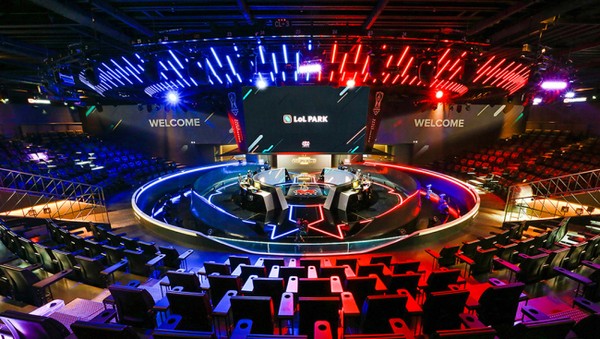
E-sports in SEA has rapidly evolved from informal gaming communities to professionally managed leagues with corporate sponsorships, media rights deals, regulated tournaments, and athlete development programs.
The industry’s growth is driven by several factors:
- High youth population and strong gaming culture
- Competitive mobile-first gaming ecosystem
- Increasing investments from telecom companies, banks, FMCG brands, and tech giants
- Strong government support in countries like Singapore and Malaysia
- Global recognition of SEA teams and professional players
These elements contribute directly to The economic impact of the professional e-sports league on youth employment in SEA, as the demand for professional talent grows beyond just players. For instance, blockchain innovations could further transform trade in gaming hardware and digital assets across SEA.How blockchain could transform trade and manufacturing across SEA.
Direct Employment: From Pro Players to Coaches and Analysts


At the core of the industry are the professional players themselves. These athletes compete in major tournaments, sign contracts with e-sports organizations, and generate income through:
- Player salaries
- Tournament winnings
- Sponsorships
- Streaming and personal branding
But e-sports leagues also create additional roles, including:
Key direct employment opportunities:
- Coaches and team managers
- Strategy analysts and data performance experts
- Nutritionists and fitness trainers specialized in e-sports health
- Talent scouts and team recruiters
- Psychologists focusing on mental performance
These roles form an essential foundation for competitive excellence and reflect a core part of the economic impact of the professional e-sports league on youth employment in SEA, as they create structured career pathways for young professionals who may not be players themselves. Esports participation also develops 21st-century skills like critical thinking and collaboration, enhancing employability.
The Growth of Content Creation and Digital Media Jobs
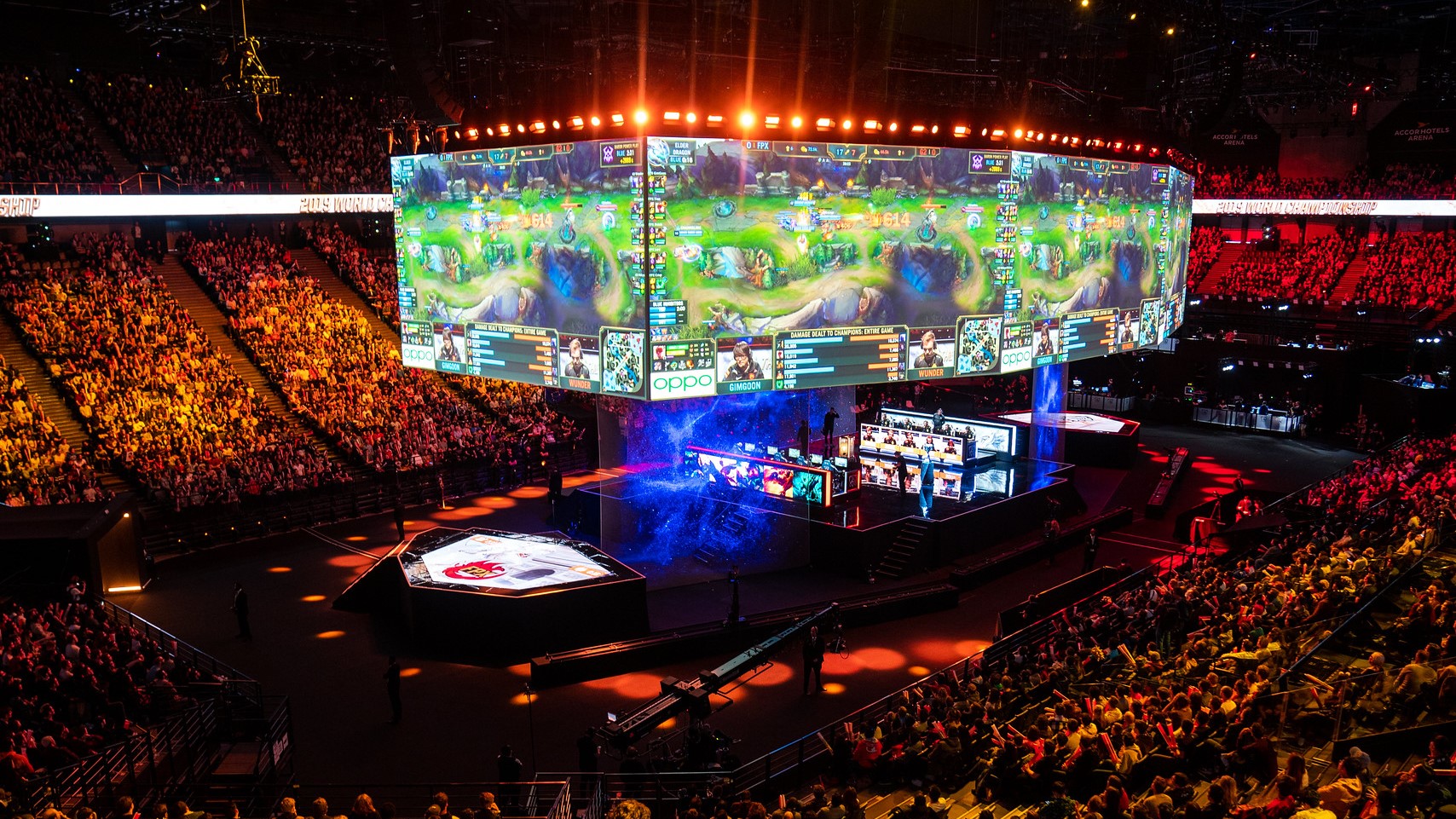

E-sports thrives on visibility, engagement, and community. This has created a massive demand for content creators, production teams, and digital marketers.
Youth-driven digital media roles include:
- Streamers and live broadcasters
- Video editors and highlight creators
- Social media managers
- Graphic designers
- E-sports journalists
- Community moderators
- Influencer brand collaborators
Many of these positions rely on skills young people naturally develop through digital platforms. As a result, the economic impact of the professional e-sports league on youth employment in SEA includes the expansion of digital-first career opportunities that align with modern work trends.
Event Management and Production: A New Industry Segment
Large e-sports tournaments in SEA—such as MPL (Mobile Legends), VCT Pacific League, PUBG Mobile Pro League, and Free Fire World Series—require thousands of people to execute.
Essential event-related jobs:
- Stage and lighting specialists
- Event producers
- Technical support engineers
- Broadcast crew
- Commentators and hosts (shoutcasters)
- Venue operations staff
These events stimulate local economies, increase hotel and transportation activity, and generate part-time employment for young people. In cities like Jakarta, Bangkok, and Manila, e-sports tournaments have become major tourism events—much like Vietjet’s recognition as Tourism Grand Winner at ASEAN ABAS—contributing further to The economic impact of the professional e-sports league on youth employment in SEA.
Expansion of E-Sports-Related Education and Training
As e-sports gains legitimacy, educational institutions across SEA are integrating gaming-related programs, workshops, and research initiatives into their offerings.
Examples of emerging academic and training paths:
- E-sports management courses
- Game development and design programs
- Broadcasting and multimedia certification
- Athlete training academies
- Internships with e-sports organizations
These programs create structured career opportunities for youth who aspire to join the industry. By developing human capital, SEA nations enhance the long-term economic impact of the professional e-sports league on youth employment through education-based workforce development.
The Rise of Start-Ups and Entrepreneurial Opportunities
E-sports has become a fertile ground for youth entrepreneurship. Many young people in SEA begin business ventures related to gaming, capitalizing on the industry’s momentum.
Emerging entrepreneurial categories:
- E-sports team startups
- Local gaming cafés and training centers
- Merchandise businesses
- Streaming platforms and micro-content apps
- Tournament organizing companies
- Coaching and mentorship services
Entrepreneurship diversifies income sources and fosters innovation, contributing significantly to the overall economic impact of the professional e-sports league on youth employment in SEA.
Supporting Industries: Technology, Hardware, and Telecommunications
Beyond gaming itself, multiple industries benefit economically from the rise of e-sports. These sectors hire thousands of young workers annually.
Key supporting industries affected:
- Smartphone and PC manufacturing
- Gaming peripherals (headsets, keyboards, mouse products)
- Internet service providers
- Software development companies
- Payment gateway services
- Digital advertising agencies
The integration between tech and e-sports creates additional jobs such as retail sales, customer service, product design, and UX/UI roles. This interconnected ecosystem amplifies The economic impact of the professional e-sports league on youth employment in SEA, making it broader than the gaming sphere alone.
Women in E-Sports: Increasing Workforce Participation
The SEA gaming market is unique in that it boasts one of the highest shares of female gamers worldwide. This demographic shift has encouraged more women to pursue careers in:
- Event management
- E-sports journalism
- Content creation
- Professional play
- Marketing and PR
- Game development
The diversification of the workforce illustrates another significant dimension of the economic impact of the professional e-sports league on youth employment in SEA, promoting inclusivity and expanding economic participation.
E-Sports Tourism: A New Driver of Regional Economic Activity
Large tournaments now draw fans not just from nearby cities but from across the region. This boosts:
- Air travel
- Hotels and accommodations
- Restaurant activity
- Local merchandise sales
- Tourism attractions
Cities like Singapore, Kuala Lumpur, Jakarta, and Bangkok increasingly market themselves as e-sports event hubs, mirroring broader trade ties like South Africa-ASEAN market ties for trade and growth. This tourism-driven revenue directly benefits young workers employed in hospitality, retail, transportation, and entertainment sectors.
Challenges to Maximizing Economic Impact
Despite the immense potential, there are several obstacles that must be addressed to ensure the long-term stability of youth employment in the e-sports sector.
Key challenges include:
- Lack of standardized contracts and labor protections
- Inconsistent salary structures among e-sports organizations
- Limited financial literacy among young talents
- Risk of burnout among players
- Dependence on sponsorship-heavy revenue models
If these challenges remain unresolved, they may limit the full economic impact of the professional e-sports league on youth employment in SEA. However, governments and industry leaders are beginning to implement regulations that provide better structure and professionalism to the sector.
Government Support and Policy Development
Several SEA governments are exploring policy frameworks that elevate e-sports into a sustainable industry.
Examples of government involvement:
- Tax incentives for digital industries
- National e-sports associations and regulatory bodies
- Official recognition of e-sports athletes
- Investments in digital infrastructure
- Anti-fraud and fair play regulations
These initiatives help formalize e-sports career pathways and improve job security, strengthening The economic impact of the professional e-sports league on youth employment in SEA.
The Future Outlook of Youth Employment in SEA’s E-Sports Industry
By 2030, analysts predict that e-sports in SEA will continue to expand, driven by technology growth, 5G connectivity, and rising interest from global brands—with global revenues potentially exceeding $3 billion by 2025. This expansion will bring additional youth-oriented job categories, including:
- AI-driven game analytics specialists
- VR/AR e-sports developers
- Advanced streaming technicians
- Regional tournament administrators
- E-sports financial consultants
The digital economy will rely increasingly on the skills cultivated within the gaming and e-sports ecosystem, ensuring that The economic impact of the professional e-sports league on youth employment in SEA remains strong for decades.
E-Sports as a Catalyst for Youth Economic Advancement
The professional e-sports league in SEA is no longer just entertainment—it is a thriving economic sector creating meaningful, sustainable, and future-ready employment for millions of young people. Through digital media, event management, content creation, entrepreneurship, technology, and tourism, the economic impact of the professional e-sports league on youth employment in SEA is reshaping the region’s workforce landscape.
As long as governments, organizations, and investors continue to nurture the industry responsibly, e-sports will remain one of Southeast Asia’s most powerful engines of youth employment and digital transformation. Events like those tied to regional tourism hubs could further amplify this, potentially integrating with property developments for foreigner-friendly financing.