Strengthening Vietnam and France Strategic Partnership Through Railway Innovation
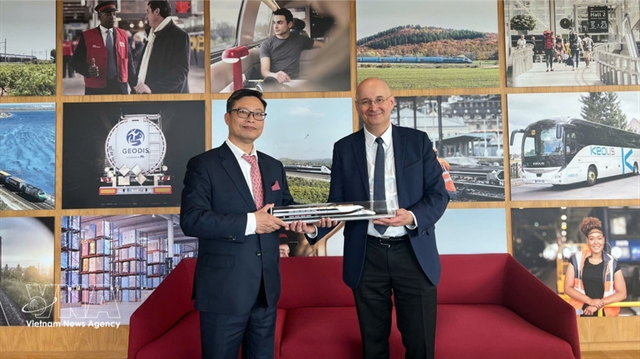
Vietnamese Ambassador to France Trịnh Đức Hải recently engaged in a high-level working session in Paris to discuss the future of the national railway network. Meeting with Diego Diaz, the President of SNCF International, the ambassador highlighted the expanding scope of the Vietnam-France Comprehensive Strategic Partnership, which has identified modern transport infrastructure as a top priority for bilateral cooperation. This diplomatic exchange follows a series of significant high-level visits, including Prime Minister Phạm Minh Chính’s visit to SNCF headquarters in mid-2025 and French Minister of Transport Philippe Tabarot’s mission to Vietnam earlier that same year. These interactions have laid a robust foundation for technical synergy, particularly as Vietnam seeks to implement a high-speed rail system that can serve as the backbone of its domestic connectivity.
The discussions emphasized that a modern rail network is not just about tracks and trains but represents a sophisticated ecosystem of technology, safety standards, and environmental stewardship. France has long been a global leader in this sector, and the current dialogue aims to translate that expertise into actionable plans for the Vietnamese landscape. Ambassador Hải affirmed that economic collaboration is reaching new depths, with both nations committed to a long-term vision of integrated transport. By focusing on high-speed rail development, Vietnam aims to bridge the gap between its major economic hubs while adhering to international best practices in engineering and urban planning. The partnership underscores a shared commitment to building a transit system that is as efficient as it is resilient, ensuring that future generations benefit from a world-class transportation framework that supports sustainable national growth and regional integration.
Leveraging Global Expertise for Sustainable High-Speed Rail Implementation
The collaboration with SNCF International brings over forty years of operational experience with the TGV system to the Vietnamese railway sector, offering a proven model for success. Diego Diaz reaffirmed SNCF’s readiness to provide comprehensive support through strategic consultancy, human resource training, and the transfer of critical technologies. A central theme of the Paris meeting was the importance of a phased approach to construction, which has been shown in markets like Morocco and France to optimize national resources while minimizing financial risk. This incremental strategy ensures that each section of the high-speed line achieves economic efficiency before further expansion, a model that aligns perfectly with Vietnam’s current fiscal and developmental goals.
The TGV system, known formally as Transmission Voie-Machine, is celebrated globally for its exceptional safety records and operational efficiency, making it an ideal benchmark for Vietnam’s green transition. Beyond the hardware of locomotives and signaling systems, the partnership focuses heavily on the soft infrastructure of management and governance. Sharing practical lessons in the planning and operation of modern systems allows Vietnam to bypass common pitfalls and adopt a governance structure that ensures long-term sustainability. The environmental benefits of rail travel are also a major factor, as the shift toward low-emission transport is a cornerstone of Vietnam’s climate commitments. By integrating French technical standards and operational philosophy, Vietnam can develop a rail network that not only moves people faster but does so with a significantly smaller carbon footprint than traditional aviation or road-based alternatives.
Building a Multimodal Transport Network for Vietnam’s Future Economy
The ongoing cooperation projects supported by France, including those involving the French Development Agency and the Nhổn – Hà Nội Station metro line, demonstrate a deep commitment to Vietnam’s railway evolution. These initiatives are part of a broader strategy to build a multimodal transport infrastructure that seamlessly connects aviation, rail, and maritime systems. Ambassador Hải commended the strategic technical assistance provided by French institutions, which has been instrumental in conducting feasibility studies for urban network expansions and improving system-wide management. The goal is to establish a modern, safe, and safe-to-operate transport backbone that can handle the increasing demands of a rapidly industrializing nation. Both sides agreed to intensify their exchange of expertise in key areas such as workforce development, system governance, and the establishment of rigorous technical standards.
This human-centric approach ensures that once the physical infrastructure is in place, Vietnam will have a highly skilled local workforce capable of maintaining and innovating within the sector. The partnership also explores the development of new technologies and digital tools to enhance passenger experience and operational reliability. As Vietnam moves toward a more interconnected and technologically advanced economy, the role of an efficient railway network becomes increasingly vital for domestic trade and social mobility. The pledge to continue effectively implementing cooperation agreements ensures that financial support and technology transfer remain consistent, providing the necessary momentum to accelerate Vietnam’s transport modernization. Ultimately, this collaboration represents a synergy of French innovation and Vietnamese ambition, working together to create a safe, low-emission, and highly efficient transit network.
Geopolitical Arbitrage and the Institutionalization of Regional Connectivity Models
The 2026 bilateral negotiations between Vietnam and France regarding the high-speed railway sector represent a critical inflection point in the Southeast Asian infrastructure landscape, signaling a transition toward a high-transparency institutional investment model. We analyze that the focus on the TGV model is not merely a technical choice but a strategic effort to align Vietnam’s logistics backbone with global environmental and governance mandates. From a professional financial perspective, the involvement of SNCF International and the French Development Agency provides a layer of institutional credibility that is essential for attracting the large-scale cross-border capital flows required for such a massive capital expenditure. This suggests that the local market is currently entering a phase of institutional re-rating, where the development of a modern rail network acts as a catalyst for a re-valuation of regional real estate, manufacturing, and tourism sectors.
Furthermore, we project that the phased implementation strategy discussed in Paris will act as a localized buffer against the sovereign debt risks often associated with large-scale infrastructure projects. For institutional investors, this disciplined approach to capital allocation provides a unique entry point into the Vietnamese infrastructure narrative, as it ensures that each stage of the railway project is backed by rigorous feasibility studies and strategic consultancy. We observe that the market is already beginning to price in a connectivity premium for urban centers linked to the planned high-speed corridors, favoring developers and logistics firms that successfully integrate their operations with the upcoming multimodal hubs. The ability of the Vietnamese government to secure high-level technology transfer proves that the nation is successfully leveraging its strategic partnerships to build a sophisticated, low-emission transport framework.
Ultimately, the long-term impact on the regional market will manifest as a structural stabilization of the ASEAN transport industry, as standardized technical governance and safety protocols gain the institutional weight required to facilitate more efficient intra-regional trade. This transition toward a more predictable development model reduces the concentration of speculative risk and provides a more fertile environment for equity markets related to sustainable urban technology and industrial logistics. As corporate governance in the transport sector is strengthened through the alignment of local operations with French-led safety and environmental standards, we expect a narrowing of the risk premium for assets related to Vietnam’s national infrastructure. The proactive financial and technical stance observed in this 2026 diplomatic mission sets a new regional standard for how a developing market can transform transport challenges into localized institutional stability and long-term economic resilience.