Strong Growth Trajectory For The Vietnamese Domestic Market
The latest report from the National Statistics Office reveals that the Vietnam economy expanded by an impressive 7.83% during the opening quarter of 2026. This acceleration from the 7.07% growth recorded in the previous year highlights a robust recovery driven by surging consumer demand and a significant rebound in the regional tourism sector. Director Nguyen Thi Huong noted during a recent press conference in Hanoi that this solid start provides a critical foundation for achieving the full-year national targets.
Despite the looming global uncertainties and geopolitical tensions in the Middle East, the broad-based expansion across all major industrial and service sectors suggests a high level of domestic resilience. The services sector, in particular, acted as a primary engine of growth, rising by 8.18% and accounting for more than half of the total economic expansion during this period. This surge was largely supported by heavy spending during the Lunar New Year festivities and a sharp influx of international visitors, which directly benefited the wholesale, retail, and hospitality industries.
Furthermore, the transport and warehousing segments saw a healthy increase of 8.95%, while financial and information services continued to provide the necessary digital infrastructure for a modernizing marketplace. This performance reflects a strategic alignment between government policy and private sector adaptability, ensuring that the economy remains on a positive trajectory even as international trade complexities persist. The synergy between domestic policy and market demand has positioned the country as a leader in regional growth.
Industrial Engines And Infrastructure Development Milestones
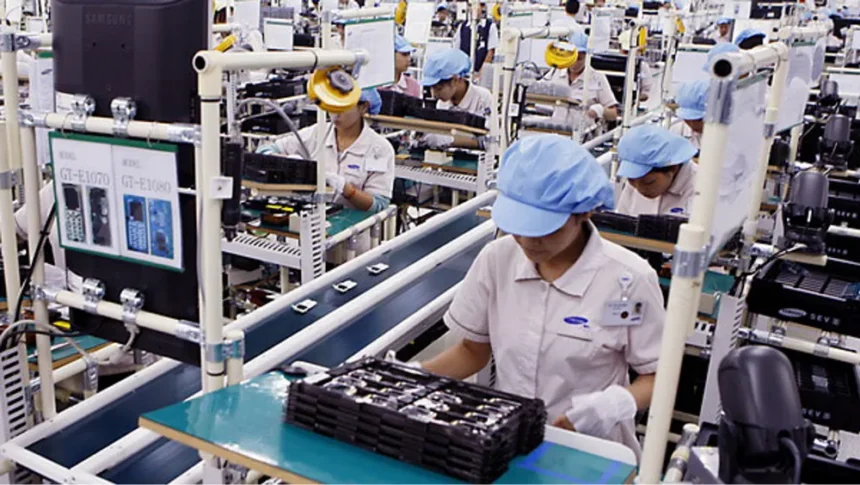
The industry and construction sectors played a vital role in the first quarter performance, growing by 8.92% and contributing significantly to the overall national output. Within this segment, the processing and manufacturing industries remained the core drivers of value, posting a remarkable 9.73% growth rate as factories ramped up production for a new global trade cycle. Construction activities also gained momentum with an 8.36% increase, fueled by the faster disbursement of public investment funds intended to modernize the national infrastructure.
While some analysts suggest that the construction sector still has room to grow to meet its full potential for the 2026 fiscal year, the current steady progress indicates a healthy investment climate. In the primary sector, agriculture, forestry, and fisheries maintained a consistent growth rate of 3.58%, with aquaculture leading the way through the adoption of advanced automated technologies. The structural composition of the economy is evolving, with services now making up 43.45% of the total volume, followed closely by industry and construction at 37.15%.
Final consumption figures jumped by 8.45%, signaling that domestic purchasing power is recovering alongside the broader fiscal expansion. This synergy between diverse sectors ensures that the national economy is not overly reliant on a single industry, providing a diversified shield against sector-specific volatility and shifting global demand. The increased asset accumulation of 7.18% further underscores the confidence that local businesses have in the long-term stability of the industrial landscape.
Foreign Trade Resilience And Proactive Risk Management
Vietnam’s integration into the global value chain was further evidenced by a sharp pickup in foreign trade activity during the first three months of the year. Exports of goods and services climbed by 19.85%, while imports rose by 24.27%, reflecting a heightened demand for raw materials to support the expanding production capacity of local businesses. These figures demonstrate that the economy is successfully navigating the complexities of modern international trade, even as supply chain disruptions remain a constant threat.
However, the National Statistics Office has issued a cautionary note regarding the second quarter, as escalating tensions in the Middle East drive up global oil prices and input costs. Such external pressures could potentially squeeze profit margins and increase inflationary risks if left unaddressed by timely policy interventions. The government and private enterprises are being encouraged to implement effective cushioning measures to protect the domestic economy from these global headwinds.
Maintaining a resilient fiscal framework will require a balance between encouraging growth and managing the rising costs of energy and logistics. As the nation looks toward the remainder of the year, the focus remains on leveraging the momentum from the first quarter while proactively hedging against the volatility of the international energy market. The ability to sustain high-yield returns amidst such fragmentation will be the defining characteristic of the 2026 fiscal year for both domestic stakeholders and international investors.
Macroeconomic Analysis And Regional Competitive Positioning
The sophisticated performance of the Vietnamese market in early 2026 represents a successful convergence of domestic fiscal discipline and strategic positioning within the ASEAN economic corridor. From a professional analytical perspective, the 7.83% expansion is not merely a byproduct of post-pandemic recovery but is the result of a deliberate flight to quality by regional institutional funds. We analyze that the significant outperformance in processing and manufacturing suggests that Vietnam is increasingly viewed as a stable alternative to other regional manufacturing hubs characterized by higher labor costs and political instability.
Furthermore, the surge in final consumption indicates a maturing middle class with increasing discretionary income, which provides a reliable internal buffer against fluctuations in global export demand. We project that if the current rate of public investment continues, the construction sector will likely see an even sharper uptick in the third and fourth quarters as major transportation projects move toward completion. However, the vulnerability to energy price shocks remains a critical structural weakness that requires a pivot toward more diversified energy sources to ensure long-term stability.
The defining metric for the 2026 fiscal year will be the ability to manage inflationary pressures without stifling the current industrial momentum. The proactive response of the National Statistics Office in highlighting supply chain risks demonstrates a mature risk-management culture that is vital for maintaining investor confidence. This strategic realignment confirms that the Vietnamese industrial landscape is successfully transitioning toward a more technology-heavy growth model, appealing to both value and growth-oriented global capital. As the regional digital economy continues to expand, the integration of advanced aquaculture and smart manufacturing will be essential for maintaining a competitive edge in the global value chain.