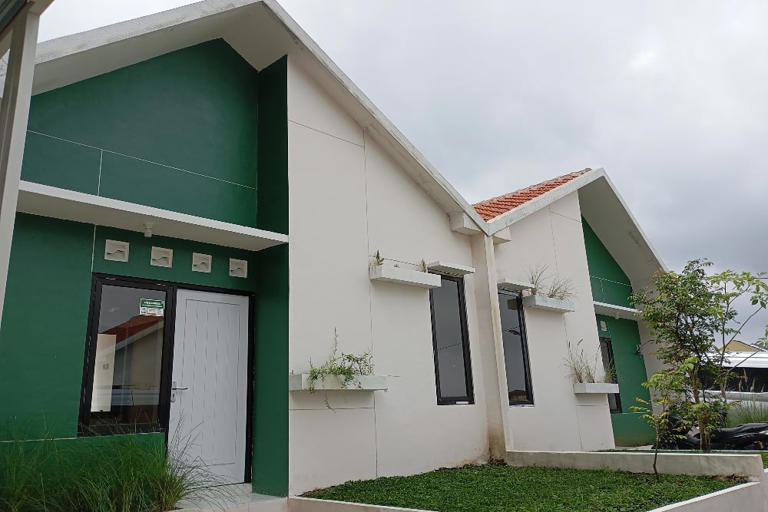
Providing a Path to Homeownership for Low-Income Families
Indonesia is poised to launch a transformative new program aimed at empowering its low-income families (MBR) by providing a clear and accessible path to homeownership. The planned Housing People’s Business Credit (KUR) scheme is designed to offer a sense of stability and security to a demographic that has historically faced immense challenges in securing decent and affordable housing. According to public policy observer Trubus Rahadiansyah, this government initiative is a commendable effort that brings more definitive hope to a segment of the population that has long been sidelined from the housing market. Furthermore, this new scheme is expected to serve as a powerful incentive for private and public developers to actively participate in the government’s Three Million Houses Program by constructing quality, affordable housing units. This collaborative approach between the government and developers is crucial to addressing the persistent housing deficit and creating a more inclusive and equitable housing market, providing millions of citizens with the opportunity to own their homes and build a better future for their families.
Strategic Recommendations for National Implementation and Risk Management
While the Housing KUR scheme is a promising step, its long-term success will depend on careful strategic planning and implementation. Public policy observer Trubus Rahadiansyah suggests that the program should be expanded beyond urban centers to various regions across the Indonesian archipelago, ensuring that it meets the rising housing demand among low-income communities nationwide. He also offered a crucial piece of advice for the government: to prepare a dedicated bailout fund. This contingency plan is designed to manage the risk of potential non-performing loans (NPLs) that could arise from the scheme. The need for this safety net is particularly pressing given that many of the low-income families who will benefit from the program are employed in the informal sector and therefore have irregular incomes, which can make consistent loan repayment a challenge. This proactive risk management approach is vital to ensuring the financial stability of the program and safeguarding it against potential economic fluctuations, securing its success for years to come and protecting both the beneficiaries and the state.
Government Accelerates Implementation to Boost Economic Growth
The regulations for the Housing KUR scheme are expected to be announced soon, following a decision by Coordinating Minister for Economic Affairs Airlangga Hartarto. According to Deputy Minister of Housing and Settlement Areas (PKP) Fahri Hamzah, the government is working to accelerate the implementation of this initiative to not only address the housing issue but also to stimulate the broader national economy. By facilitating housing construction, the government aims to create new job opportunities and boost various related industries, from construction materials to home furnishings. The initiative has received the full backing of key stakeholders and major state-owned enterprises, with its coordination being led by the economic and finance ministers. This unified support from various government bodies and state-linked companies underscores the importance of the scheme as a strategic tool for economic development and social welfare, demonstrating a concerted effort to turn this housing initiative into a key driver for the nation’s future prosperity and a model for effective public-private partnerships.