
Capitalargo.com – Remote work is no longer a temporary solution — it has become a long-term transformation that is reshaping business operations, workforce behavior, and commercial real estate planning throughout Indonesia’s capital.
As remote work is changing the demand for office connectivity, companies in Jakarta are reassessing how much office space they truly need, what kind of technology infrastructure must be prioritized, and how hybrid arrangements can remain productive and cost-efficient.
Today’s workforce expects fast, reliable connectivity from anywhere — whether in the office, a coworking hub, or at home. That expectation is forcing developers, landlords, and employers to upgrade digital capabilities so that real estate can keep up with modern work habits.
With Jakarta’s Grade-A office occupancy rebounding to 78% in Q3 2025 and average rents rising 4.2% y-o-y, the value gap between digitally advanced and outdated buildings is widening fast.
The Rise of Hybrid Work and Its Effects on Connectivity Demands


Remote work is changing the demand for office connectivity by pushing organizations to adopt hybrid models that blend physical presence with digital collaboration. Instead of traditional room-filled layouts and long-term leasing commitments, companies are shifting priorities toward:
- High-speed internet throughout office facilities
- Cloud service compatibility
- Robust cybersecurity systems
- Smart devices and digital collaboration infrastructure
This shift is not just about having a workspace — it’s about having an office that keeps employees connected seamlessly to colleagues working remotely. Digital resilience becomes just as important as physical design.
Why Remote Work Is Driving the Need for Stronger Office Networks
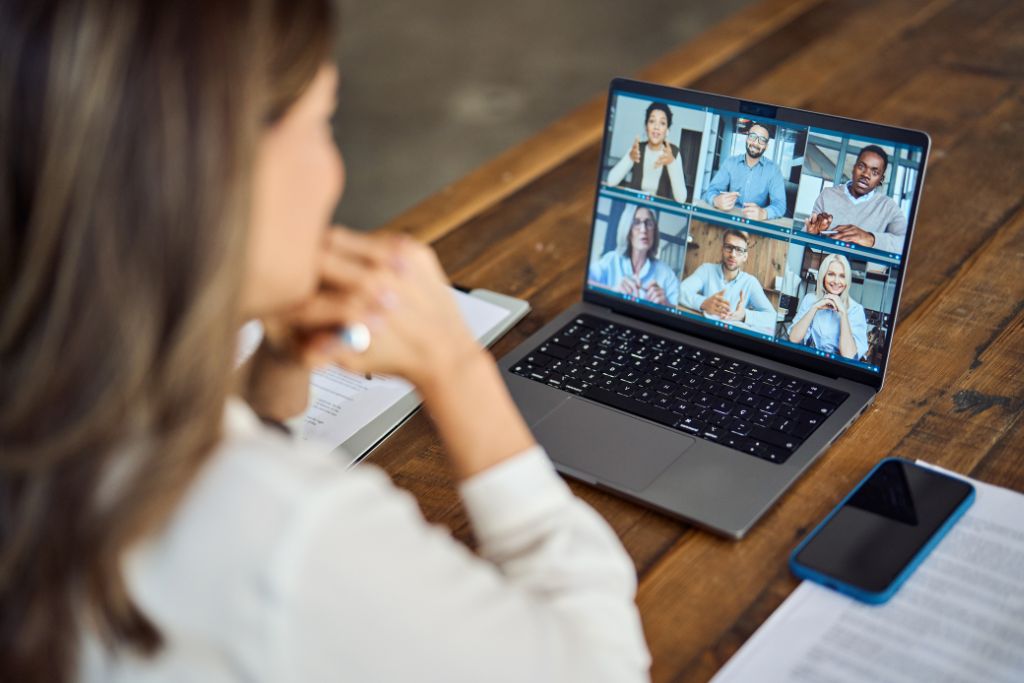

As remote work is changing the demand for office connectivity, businesses are upgrading bandwidth and IT capabilities to support:
- More frequent video conferencing
- Greater use of cloud computing
- Higher data security requirements
- Increased IoT devices within office environments
In many cases, outdated office networks simply cannot deliver the seamless connection required by hybrid teams. Lag, outages, and cybersecurity vulnerabilities can now directly harm productivity — and investor confidence.
Coworking Growth and the Connectivity Imperative


Jakarta has become one of Southeast Asia’s fastest-growing coworking markets. Many enterprises choose to downscale traditional office footprints but complement them with shared workspaces spread across the city — a trend that mirrors the rapid rise of e-commerce logistics hubs outside Jakarta (see investment strategies for high-growth e-commerce logistics providers in Indonesia).
Why? Because remote work is changing the demand for office connectivity by requiring flexible yet highly connected environments.
Coworking operators are capitalizing on this shift by positioning their spaces as technology-first offices, offering:
- Enterprise-grade internet speeds (1–10 Gbps fiber)
- Soundproof digital collaboration rooms
- 24/7 cybersecurity monitoring
- Mobility solutions that allow staff to work anywhere
Office Developers Must Pivot Toward Digital Quality
The future of office real estate will not be measured in square meters alone. Remote work is changing the demand for office connectivity by reframing value around:
- Speed of connectivity
- Network security provisioning
- Smart-building technology
- Data center proximity
- Power redundancy and energy efficiency
Building owners who fail to upgrade infrastructure risk higher vacancy rates and reduced rental values. Connectivity now weighs heavily in tenant decision-making — especially for finance, consulting, and technology firms.
What Hybrid Workers Expect From Jakarta Office Connectivity
Workforce behavior has evolved dramatically, and so have their expectations. They want more than a desk. They expect intelligent spaces that offer:
- Reliable connectivity in all corners of the building
- Smooth access to online collaboration tools
- Secure VPN and endpoint protection
- Hot-desking systems linked to personal devices
- Space-booking applications
- IoT-supported meeting room management
Remote work is changing the demand for office connectivity because employees require technology that supports flexibility and mobility while maintaining professional efficiency.
Cybersecurity Becomes Mission-Critical
More remote access means more cybersecurity exposure. That’s why remote work is changing the demand for office connectivity through an increased emphasis on digital safety.
Threat risks such as ransomware, data interception, and unsecured personal devices are pushing companies to invest in zero-trust security frameworks and AI-driven threat detection.
The Influence on Real Estate Valuations
Connectivity plays a rising role in determining asset value. Buildings that support remote-work-friendly systems command rental premiums of 12–18% over non-upgraded peers in Jakarta CBD and SCBD submarkets.
Investors are now asking:
- How fast is the building’s base bandwidth?
- Is there direct fiber-optic availability?
- Are server rooms and backup power systems integrated?
- How scalable is the IT infrastructure?
Remote work is changing the demand for office connectivity by making digital performance a major factor in rental premiums and long-term valuation characteristics.
Challenges Slowing Office Connectivity Transformation
Transitioning Jakarta’s office market to hybrid-ready environments faces obstacles:
- High retrofit costs for older buildings (USD 80–150/sqm)
- Uneven fiber rollout in secondary districts
- Power stability issues during peak load
- Limited pool of smart-building engineers
The Future: Fully Digital Workspaces and Cloud-Optimized Real Estate
As remote work is changing the demand for office connectivity, Jakarta is entering a new era shaped by the digital workplace experience. In the coming years, we can expect:
- More smart buildings with IoT automation embedded
- AI-optimized facility management systems
- Nationwide expansion of 5G and 10 Gbps broadband
- Surge in cybersecurity investment
- Increased reliance on cloud-native workflows
Office properties may shrink in size but expand in technological capability. Quality, not quantity, will drive leasing and development decisions.
Connectivity Is Now the Core of Office Value
Remote work is changing the demand for office connectivity fundamentally and permanently. Companies will continue balancing in-person collaboration with remote flexibility. To support that evolution, Jakarta’s real estate must fast-track innovation in digital infrastructure and smart-building technology — a transformation that will define the winners in Indonesia’s next decade of commercial property investment.