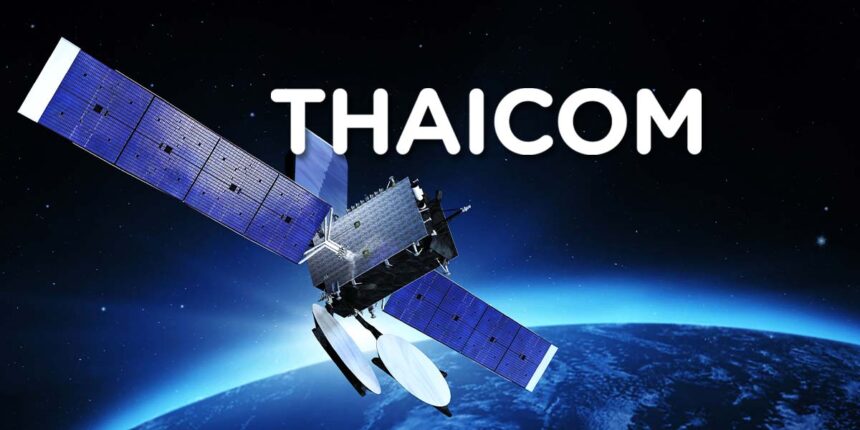
Strategic Growth Targets And Satellite Fleet Optimization
The executive management of Thaicom Public Company Limited, widely recognized by its stock ticker THCOM, has officially announced an ambitious financial roadmap for 2026, targeting a revenue increase between 5% and 10%. Within the first quarter of the year, THCOM aims to leverage the heightened operational efficiency of its current orbital fleet, which includes the well known Thaicom 4, 6, 7, 8, and 9A units.
The primary objective is to elevate the current satellite utilization rate from 64% to a minimum of 75% by capturing a larger customer base in core markets like Thailand and India. A monumental milestone for the organization in 2026 will be the highly anticipated launch of the Thaicom 9 satellite, which represents the firms first new satellite deployment in over a decade.
Scheduled for the second half of the year, this new asset is specifically engineered to meet the surging global demand for high speed data and to anchor the companies long term international expansion strategy. Beyond 2026, the group plans to expand its total service capacity tenfold while diversifying revenue streams through innovation centric businesses and strategic domestic security contracts.
Technological Innovation And Low Earth Orbit Partnerships
As the company progresses through its 2026 development cycle, significant resources are being allocated toward the deployment of the Thaicom 10 broadband satellite, which is scheduled for launch in 2028. This particular satellite is a technological marvel featuring software defined satellite technology, allowing for the dynamic allocation of beams and frequencies throughout its operational lifespan.
This flexibility is a critical advantage in an evolving market, and notably, over fifty percent of its capacity has already been pre committed by Eutelsat, which significantly de-risks the project and ensures immediate utilization upon reaching orbit. In addition to these geostationary efforts, THCOM is aggressively pursuing a presence in the low earth orbit sector through a strategic collaboration with Globalstar.
This partnership is designed to enable direct to cell technology, allowing standard mobile phones in remote or underserved areas to connect directly to satellite networks without the need for specialized ground equipment. System upgrades at the Pathum Thani gateway station are currently underway to support these advanced services, and additional partnerships in the mobility sector are expected to be unveiled.
Domestic Market Dominance And Regional Economic Impact
On the domestic front, the organization is strengthening its ties with the government and security sectors, particularly through ongoing projects with the Royal Thai Armed Forces and a major bid for the National Broadcasting and Telecommunications Commissions USO3 project. This government contract, valued at over five billion baht, is a cornerstone of the 2026 growth trajectory.
Simultaneously, the companies Geo Informatics platform is undergoing a massive expansion with the goal of covering one hundred percent of Thailands farmland by the end of the year. This platform provides critical data on economic crops such as rice, sugarcane, and palm oil, helping to modernize the agricultural sector through precision satellite monitoring and predictive yield analytics.
Internationally, India remains a vital growth engine, especially for in flight WiFi and other mobility services that rely on consistent satellite coverage. Financially, THCOM enters this period with a robust liquidity position, holding over three billion baht in cash while managing a strategic investment plan recently approved by shareholders to ensure long term leadership in the space technology sector.
Local And Regional Market Impacts
The strategic pivot toward software defined satellites and low earth orbit partnerships signals a sophisticated shift away from traditional transponder leasing toward a service oriented model. From a professional financial analysts perspective, the high level of pre commitment for Thaicom 10 effectively creates a sovereign grade revenue floor, mitigating the capital expenditure risks typically associated with large scale orbital deployments in the ASEAN region.
We observe that the integration of direct to cell technology via the Globalstar partnership is a disruptive move that bypasses traditional terrestrial tower limitations. This is expected to create a secondary market for satellite enabled mobile services, bridging the digital divide in rural regions of Thailand and India more effectively than traditional fiber infrastructure. The resulting increase in connectivity will likely stimulate local e-commerce and digital banking growth in previously isolated areas.
Furthermore, the expansion of the Geo Informatics platform to cover the entirety of Thailands farmland represents a major advancement in data driven agricultural management. By providing real time analytics on crop health, the organization is embedding itself into the national food security infrastructure, making its services indispensable to the public sector. This data vertical offers a high margin, recurring revenue stream that complements the core satellite operation.
At a regional level, the focus on the Indian aviation market for in flight connectivity allows the firm to tap into one of the worlds fastest growing mobility sectors. This provides a natural hedge against local macroeconomic fluctuations by diversifying the geographic source of revenue. The synergy between high speed mobility internet and agricultural monitoring suggests a dual track strategy that addresses both high value commercial and essential government needs.
As the company moves toward the second half of 2026, the successful launch of Thaicom 9 will be the primary technical catalyst for valuation re-rating. We anticipate that as thePathum Thani gateway station upgrades are completed, the firms ability to offer low latency services will attract more enterprise clients in the shipping and transportation sectors. This expansion will likely lead to a more stable capital base and improved net profit margins over the next decade.
Ultimately, the ability of Thai aerospace firms to transition into multi platform technology providers will define the nations role in the global space economy. By combining geostationary reliability with low earth orbit agility, THCOM is not just launching satellites but is building a comprehensive digital backbone for Southeast Asia. This evolution ensures long term fiscal resilience and positions the company as a critical node in the regional Industry 4.0 ecosystem.