Capitalargo.com – As the global shift to clean energy intensifies, Vietnam has become one of Southeast Asia’s most vibrant markets for renewable power. Ambitious climate targets and strong investor interest in sustainability have fueled impact investing in the Vietnamese renewable energy sector.
This article examines Vietnam’s clean energy landscape, the role of impact investors, supportive policies, and the long-term potential for sustainable financing in this high-growth economy.
Vietnam’s Renewable Energy Boom
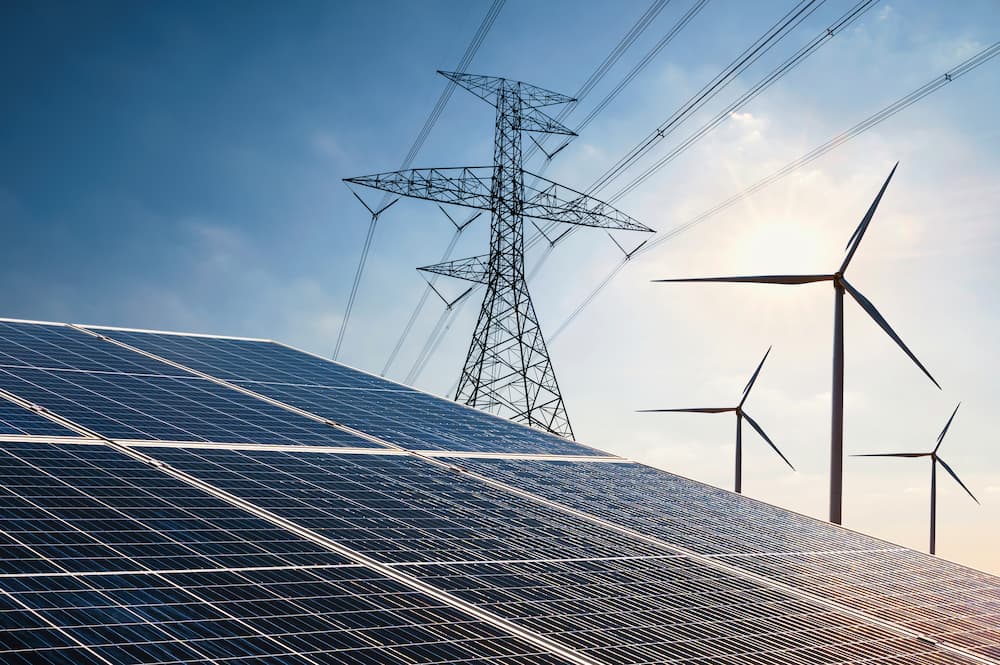
From 2018 to 2023, Vietnam’s solar capacity surged from under 100 MW to over 16 GW, driven by feed-in tariffs (FITs), incentives, and policy support. Wind power is expanding along coastal regions, with the Ministry of Industry and Trade (MOIT) targeting 47% renewable electricity by 2030 under Power Development Plan VIII (PDP8).
This transformation attracts impact investors seeking both financial returns and measurable environmental and social benefits. Off-grid solar and microgrids, for instance, are bringing electricity to rural communities for the first time, supporting inclusive growth.
Defining Impact Investing in Vietnam’s Energy Context
Impact investing deploys capital for financial returns and positive social/environmental outcomes. In Vietnam, it funds projects that:
- Reduce carbon emissions
- Expand clean energy access
- Create jobs and empower local communities
With predictable cash flows from renewable assets, impact investors balance purpose and profitability—especially in underserved regions.
Why Vietnam is a Hotspot for Impact Investment
- Economic Growth: 6–7% annual GDP growth drives rising energy demand—doubling by 2035.
- Net-Zero Commitment: COP26 pledge for carbon neutrality by 2050.
- Climate Finance: ADB, World Bank, and JETP mobilize billions in concessional funding.
- Private Sector Momentum: Local giants like Trung Nam Group and Bamboo Capital partner with global players.
- ESG Integration: State Securities Commission introduces ESG disclosure guidelines.
These factors align with emerging carbon markets. Related: Vietnam’s carbon credit exchange pilot by 2026 will create new revenue streams for renewable projects with verified emissions reductions.
Policy and Regulatory Environment
- FITs to Auctions: Transitioning to competitive bidding to lower costs and broaden participation.
- Direct Power Purchase Agreements (DPPA): Enables direct sales to private buyers, bypassing EVN.
- Green Finance: Green bonds, tax incentives, and carbon credits under the Green Growth Strategy 2021–2030.
These reforms enhance bankability and attract institutional capital. Export-oriented projects also benefit from compliance frameworks. Related: Vietnam’s new rules of origin ensure renewable energy equipment meets international trade standards, boosting investor confidence.
Key Sectors Attracting Impact Investment
- Solar Energy: Rooftop and community solar reduce costs and grid reliance in rural areas like Ninh Thuan.
- Wind Power: Onshore/offshore farms create jobs and leverage Vietnam’s coastal wind potential.
- Biomass & Waste-to-Energy: Converts agricultural waste into power, reducing pollution and supporting farmers.
- Off-Grid Solutions: Microgrids electrify remote communities, improving education and economic activity.
Challenges to Overcome
- Regulatory Uncertainty: Frequent policy shifts on tariffs and licensing.
- Grid Constraints: Congestion and curtailment in solar-heavy regions.
- Financing Gaps: Local banks lack expertise in renewable lending.
- Impact Measurement: Need for standardized ESG metrics and verification.
Labor shortages in manufacturing also affect renewable supply chains. Related: Vietnam’s labor crunch in manufacturing raises costs for solar panel and wind turbine production, requiring workforce upskilling.
Innovative Financing Models
- Green Bonds & Sustainability-Linked Loans: Reward ESG performance with lower rates.
- Blended Finance: DFIs de-risk projects to attract private capital.
- Crowdfunding: Digital platforms enable community investment in local solar.
- Carbon Markets: Future revenue from emissions reductions.
Startup innovation is accelerating these models. Related: Sectors attracting seed funding in Vietnam include cleantech and energy storage—critical for scalable impact investing.
The Role of Technology
Blockchain, IoT, and AI enhance transparency and efficiency:
- Smart meters for real-time energy tracking
- Blockchain for carbon credit verification
- AI for predictive maintenance and impact analytics
Outlook: The Next Decade of Impact Investing
By 2035, renewables could supply over 50% of Vietnam’s power. With regulatory clarity, grid upgrades, and robust ESG reporting, impact investing will drive this transition—creating jobs, reducing emissions, and ensuring energy equity.
Powering Prosperity Through Purpose
Impact investing in the Vietnamese renewable energy sector is more than a trend—it’s a catalyst for sustainable growth. By combining financial innovation, policy reform, and technology, Vietnam is positioning itself as a regional leader in clean, inclusive energy.
For investors, the opportunity is clear: fund the future of energy while generating lasting social and environmental impact. Vietnam’s renewable revolution is just beginning—and impact capital will power its success.