
Capitalargo.com – The global foreign exchange landscape is shifting once again, and one of the most closely watched developments is the continued strengthening of the US Dollar (USD). For emerging economies such as Indonesia, currency fluctuations often have far-reaching implications, particularly for companies whose revenues, costs, or financial obligations are exposed to foreign currencies. Understanding how the strengthening US Dollar affects corporate earnings in the Indonesian market has thus become a critical focus for economists, investors, and corporate strategists.
Indonesia’s economy is highly integrated with global trade flows, commodity cycles, and international capital markets. This interdependence means that a stronger USD affects different sectors in diverse ways. Exporters may benefit, import-dependent firms may struggle, and companies with heavy USD-denominated debt may face financial pressure. Beyond corporate performance, a strong USD also influences monetary policy, consumer purchasing power, and overall economic stability — creating a complex ripple effect throughout the Indonesian market.
This article provides a deep, structured analysis of these dynamics, offering insights that help investors and business leaders better anticipate financial outcomes and strategic decisions during periods of currency volatility.
The Strong USD: Why It Matters for Indonesia
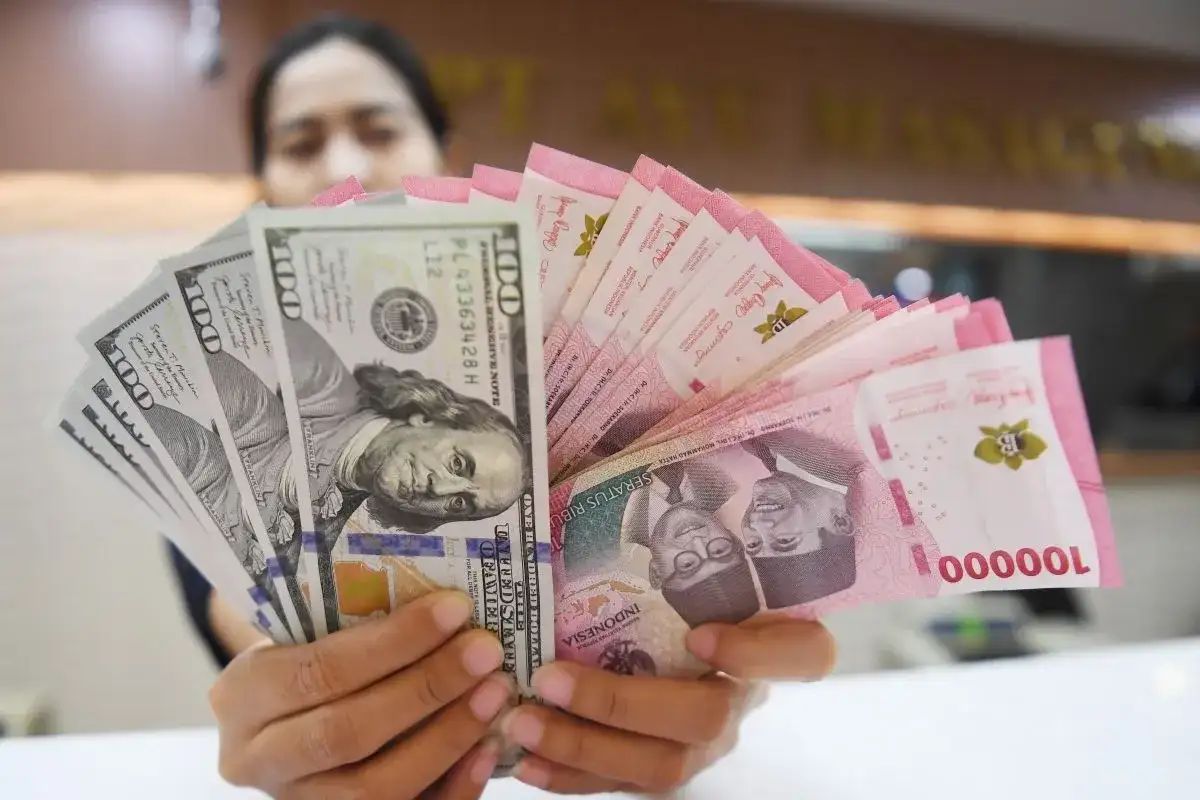

To understand how currency movements affect corporate earnings, one must first recognize Indonesia’s economic structure. The country imports large volumes of raw materials, machinery, refined oil products, and consumer goods. At the same time, it exports commodities such as palm oil, coal, nickel, rubber, and manufactured goods.
This dual dependence — on global commodity exports and foreign goods — creates opposing forces when the USD strengthens. For some businesses, it opens doors to higher margins; for others, it generates operational stress.
Whenever the US Dollar appreciates, several immediate effects ripple through the Indonesian market:
- Import costs rise.
- External debt burdens increase.
- Profit margins shrink for companies reliant on foreign currencies.
- Consumer purchasing power weakens.
- Exporters gain short-term price competitiveness.
These outcomes shape corporate performance in significant ways, depending on the industries involved. Recent US interest rate hikes have exacerbated this, with the rupiah depreciating 3% in 2025 so far—making it Asia’s worst-performing currency despite a weakening dollar globally. For deeper insights, see our analysis on the impact of US interest rate hikes on the Indonesian rupiah stability.
Impact on Import-Dependent Companies
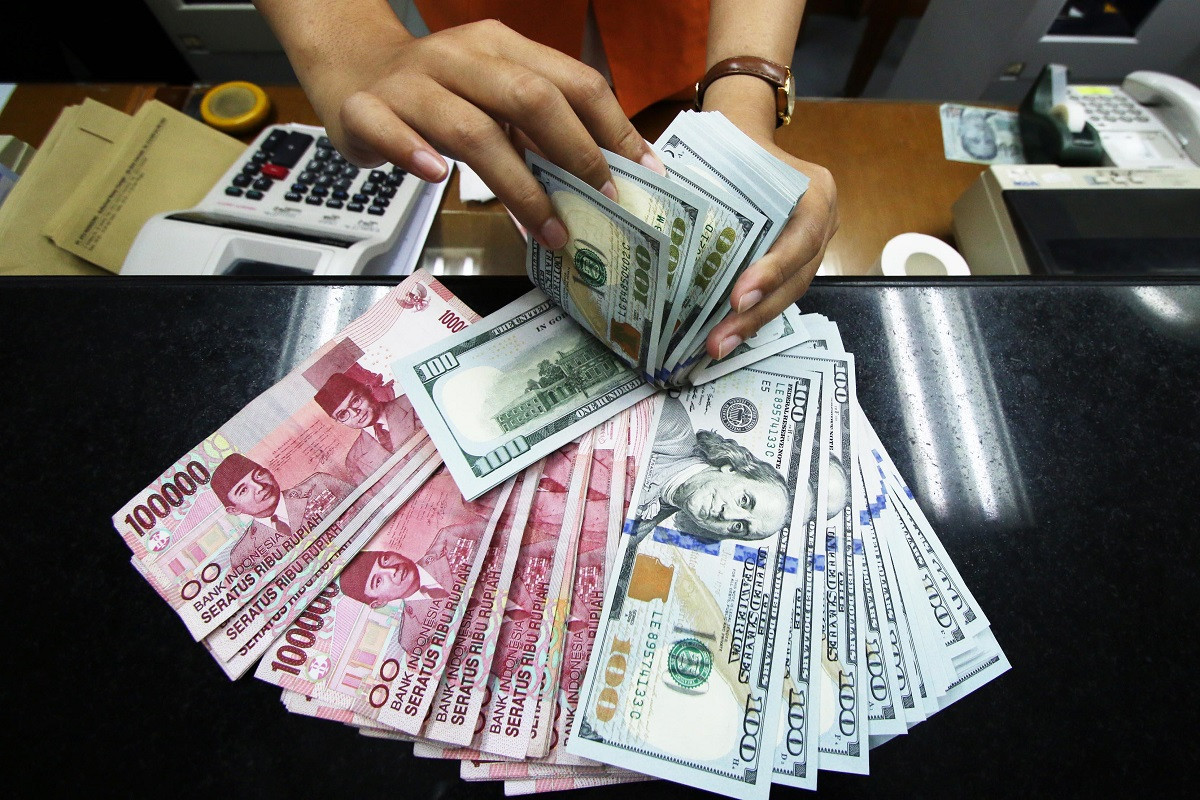
One of the most direct consequences of a stronger USD is the increase in imported goods prices. Many Indonesian firms rely heavily on imported materials — from electronics components to industrial machinery.
When the USD strengthens, companies face:
- Higher input costs
- Reduced gross margins
- Higher cost of goods sold (COGS)
- Price adjustments that may reduce demand
Industries most affected include retail electronics, automotive, pharmaceuticals, manufacturing equipment, and technology hardware.
For these sectors, the strengthening USD often leads to pressure on earnings unless companies hedge their currency exposure or successfully pass on the price increases to consumers. However, passing on these costs can be difficult during periods of low demand, forcing firms to absorb the losses. This dynamic is particularly acute in urban housing development, where imported construction materials drive up costs for affordable projects—explore unlocking the investment potential in affordable housing development in Indonesian cities for mitigation strategies.
Effects on Export-Oriented Sectors


Exporters frequently represent the opposite side of the currency equation. When the USD strengthens, Indonesian exporters become more competitive in global markets because their goods become cheaper to foreign buyers.
Industries benefiting include:
- Palm oil producers
- Coal mining companies
- Seafood exporters
- Nickel and mineral suppliers
- Textile and footwear manufacturers
These businesses often earn revenue in USD, which translates into higher rupiah earnings when the USD appreciates. As a result, profit margins may improve. But this benefit is not always straightforward. Some exporters still import equipment or raw materials, reducing the net gain from currency changes.
Moreover, global commodity prices and demand cycles remain crucial factors in determining whether the strong USD is ultimately beneficial. A prime example is Indonesia’s pepper sector, where a stronger USD has boosted export competitiveness to key markets like Japan—see our coverage of Indonesian pepper exports seeking a boost from Japan, projecting a 17.6% rise in shipments to Tokyo amid favorable pricing.
Rising Costs of USD-Denominated Debt
One of the most significant risks for corporations in the Indonesian market is exposure to foreign-currency borrowing. Many companies, especially large conglomerates, infrastructure developers, airlines, and energy firms, borrow in USD to take advantage of lower interest rates or access international capital markets.
When the USD strengthens, these companies face:
- Higher repayment costs
- Increased interest burdens
- Declines in net income
- Potential covenant breaches on loans
Companies with large USD liabilities often see their earnings pressured when currency fluctuations occur. This can also weaken investor confidence, affecting stock prices and credit ratings.
Impact on Consumer Purchasing Power
A strong USD does not only influence corporations directly; it also affects Indonesian consumers. When the rupiah weakens against the dollar, imported consumer goods become more expensive. These include electronics, smartphones, apparel, and even food items such as wheat-based products.
As household purchasing power declines, the following issues arise:
- Lower consumer spending
- Reduced revenues for retail and F&B companies
- Increased difficulty for businesses to raise prices
Consumer-driven sectors may therefore experience slower growth, lower store traffic, and shrinking margins. Companies targeting middle- and lower-income consumers face the greatest challenges. This squeeze is evident in health tech, where rising costs for imported devices challenge scalability—yet promising ventures like telemedicine platforms are positioning for unicorn status, as discussed in identifying the next unicorn startup in the Indonesian health tech space.
Indonesia’s Commodity Strength: A Partial Buffer
Indonesia is a major exporter of natural resources, and this helps balance some of the negative impacts of a strong USD. When the dollar rises, global commodity prices often adjust accordingly. For example, commodities priced in USD may become more attractive to international buyers.
This dynamic supports several segments of the Indonesian market, including:
- Palm oil
- Coal
- Gold
- Metals such as copper and nickel
When these sectors perform well, they contribute positively to the national trade balance, providing a cushion that supports both corporate earnings and broader economic stability.
Implications for Inflation and Monetary Policy
A strengthening US Dollar frequently leads to imported inflation. As imported goods and raw materials become more expensive, domestic prices may rise. The central bank, Bank Indonesia, often reacts by tightening monetary policy to stabilize the rupiah and control inflation.
Interest rate increases can then affect corporate earnings through:
- Higher borrowing costs
- Lower investment activity
- Declines in consumer credit growth
Companies that rely heavily on bank loans — such as property developers, construction firms, and SMEs — may see reduced profitability when interest rates rise.
How Currency Volatility Impacts Stock Market Performance
The Indonesian stock market reacts quickly to USD movements. Investors often flock to safe-haven currencies during global uncertainty, causing capital outflows from emerging markets such as Indonesia.
This can affect corporate earnings and market valuations through:
- Lower foreign investment inflows
- Declining stock prices
- Higher cost of capital for businesses
Sectors with strong USD earnings, like natural resources, may outperform during these periods, while consumer and manufacturing sectors may lag.
Corporate Strategies to Mitigate USD Risk
Companies in the Indonesian market adopt various strategies to manage the risk of a strengthening USD. These strategies are essential for stabilizing earnings during volatile currency periods.
Common mitigation approaches include:
- Hedging through forward contracts or currency swaps
- Increasing local sourcing to reduce reliance on imported materials
- Renegotiating contracts to include currency-adjusted pricing
- Strengthening balance sheets to reduce foreign debt exposure
- Diversifying export markets
Corporations that plan effectively often maintain stronger financial resilience even when macroeconomic pressures intensify.
The Long-Term Outlook for Indonesia
In the long run, the strengthening USD will continue to shape corporate strategy and macroeconomic policy in Indonesia. The country’s economic resilience will depend on its ability to reduce excessive dependence on imports, diversify exports, promote upstream industrialization, and attract stable foreign investment.
As global currency cycles evolve, companies with sound financial management, diversified revenue streams, and strong pricing power will be best positioned to withstand USD volatility. Meanwhile, policymakers will continue balancing inflation risk, currency stability, and economic growth — a delicate task in a global environment where capital flows can shift rapidly.
Ultimately, understanding how the strengthening US Dollar affects corporate earnings in the Indonesian market provides valuable insights into corporate performance, investment strategy, and economic direction.(*)